File review template 2026

Get Form
cumulative file review form Preview on Page 1

Here's how it works

01. Edit your cumulative file review form online
Type text, add images, blackout confidential details, add comments, highlights and more.

02. Sign it in a few clicks
Draw your signature, type it, upload its image, or use your mobile device as a signature pad.

03. Share your form with others
Send file review template via email, link, or fax. You can also download it, export it or print it out.

Definition and Meaning

The file review template serves as a crucial tool for assessing student records comprehensively. Originating in educational settings, this template provides a structured format for reviewing a student's academic journey and behavioral history. File review templates ensure that educators, counselors, and administrators can capture consistent and reliable data necessary for evaluating a student's progress and identifying any areas that may require intervention. The template streamlines the acquisition of vital information, promoting effective academic planning and personalized support.

How to Use the File Review Template

To effectively utilize the file review template, users should first familiarize themselves with its distinct sections. These typically include areas for personal information, academic performance, and behavioral assessments. Begin by collecting the necessary data, such as attendance records, report card grades, and health history.

Next, entry into the template should be systematic:

  1. Gather all relevant student files and documents.
  2. Populate each section of the template with precise details.
  3. Verify each entry for accuracy and completeness.
  4. Use annotated comments or notes to add context where needed.

This structured approach ensures that each aspect of the student's educational experience is thoroughly reviewed and documented.

Key Elements of the File Review Template

The template is divided into specific blocks that facilitate detailed and organized data collection. Key sections include:

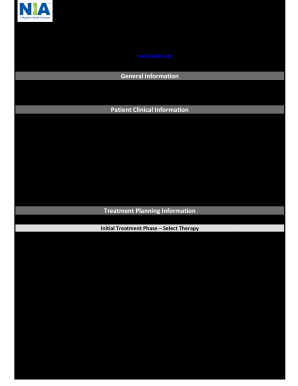
  • Personal Information: Basic student details, including name, date of birth, and contact information.
  • Grade-Level Appropriateness: Evaluation of whether a student is achieving skills and knowledge consistent with their grade level.
  • Attendance Records: Tracking of attendance patterns to identify potential issues impacting learning.
  • Special Services Received: Documentation of additional educational services, such as tutoring or special education support.
  • Average Report Card Grades: A summary of academic performance across various subjects.
  • Behavioral Concerns: An area to document issues pertaining to student conduct and social interactions.
  • Health History and Medications: Relevant medical information that may affect educational or behavioral outcomes.
  • Previous Evaluations: Records of past assessments to track student growth over time.

Steps to Complete the File Review Template

Effective completion of the template requires attention to detail and disciplined information management. Follow these steps for optimal results:

  1. Preparation: Assemble all necessary documents and previous evaluations.
  2. Data Entry: Systematically input information into each corresponding section.
  3. Verification: Ensure all data entered is current and correctly reflects the student's records.
  4. Annotation: Use the comment section to provide supplemental information or clarifications.
  5. Final Review: Conduct a comprehensive review to ensure no sections are overlooked.
  6. Sharing: Facilitate collaboration by allowing relevant stakeholders to access and review the completed template.

Legal Use of the File Review Template

The file review template complies with legal standards related to student privacy and data protection. Users should:

  • Ensure compliance with the Family Educational Rights and Privacy Act (FERPA), which governs the access and distribution of student educational records.
  • Limit access to the template to authorized individuals only to maintain confidentiality.
  • Use the information gathered responsibly and only for purposes that support educational outcomes or administrative requirements.

Examples of Using the File Review Template

In practice, the template proves invaluable across various educational scenarios. For example:

  • Teacher Evaluations: A teacher uses the template to create a detailed student profile, helping to tailor instruction based on individual needs.
  • Progress Meetings: Administrators and counselors review the template during progress meetings to identify support strategies for students requiring additional resources.
  • Annual Reviews: Schools conduct yearly reviews of templates to determine alterations to teaching strategies or reallocation of educational resources.

Digital vs. Paper Version

In choosing between digital and paper versions of the file review template, several factors come into play:

  • Efficiency and Accessibility: The digital version allows for easy sharing, collaboration, and storage. It integrates seamlessly with platforms like DocHub, ensuring real-time updates and secure document handling.
  • Traditional Preferences: Some institutions may prefer paper copies for their tangibility and ease of annotation. However, paper versions can be cumbersome to manage, especially with large volumes of student records.
  • Hybrid Approach: Combining both versions can cater to varying preferences and technological capabilities within an institution. Digital storage alongside paper copies can provide a reliable backup system.

Software Compatibility

The streamlined functionality of file review templates is enhanced through compatibility with software tools. DocHub is an excellent example, as it facilitates efficient digital management of the template. Features like real-time editing, collaborative review, and secure storage make it an optimal choice. Additionally, DocHub's integration with Google Workspace allows for seamless file sharing and transition between applications, ensuring consistent and productive workflows across educational environments.

be ready to get more

Complete this form in 5 minutes or less

Get form

Got questions?

We have answers to the most popular questions from our customers. If you can't find an answer to your question, please contact us.
Contact us
An inspection of all the events occurring within file servers is called file auditing. This includes the monitoring of file access with details of who accessed what file, when, and from where; an analysis of the most accessed and modified files; successful and failed file access attempts; and more.
A hot file review features a detailed review of the accounts and audit working papers before the file has been fully signed off. The purpose of such a review is to identify any key issues which need to be addressed before final completion.
Both audits and reviews play key roles in creating transparency and trust among stakeholders. While they share a common goal of evaluating financial records, the depth and scope of these examinations differ docHubly.
Cold file reviews are undertaken to ensure that the firms audit procedures, the FRC Ethical Standard (ES), the FRC International Standards on Auditing (ISAs) and the ICAEW Audit Regulations (Reg) have been complied with and that the accounts comply with all the appropriate disclosure requirements.
Here are some phrases that commonly appear in positive reviews: I highly recommend this business. Their customer service is second to none. The product quality is consistently outstanding, exceeding my expectations every time. I was completely impressed with their professionalism and customer service.

Security and compliance

At DocHub, your data security is our priority. We follow HIPAA, SOC2, GDPR, and other standards, so you can work on your documents with confidence.

Learn more
ccpa2
pci-dss
gdpr-compliance
hipaa
soc-compliance
be ready to get more

Complete this form in 5 minutes or less

Get form

People also ask

What to include in your performance review template Basic information. For the purposes of analysis and demographics, youll need to include: Review period. Ratings system. Evaluation items. Goals. Open text boxes for comments. Signatures. Weekly or fortnightly performance review.
File review means a review of documents contained in a policyholders file maintained by the Company or an affiliate to verify that the information to support that a claims approval or denial is appropriate and accurate based on information required to be obtained under the applicable procedures and that supporting

file review template