




01. Edit your form online
Type text, add images, blackout confidential details, add comments, highlights and more.

Type text, add images, blackout confidential details, add comments, highlights and more.

Draw your signature, type it, upload its image, or use your mobile device as a signature pad.

Send it via email, link, or fax. You can also download it, export it or print it out.
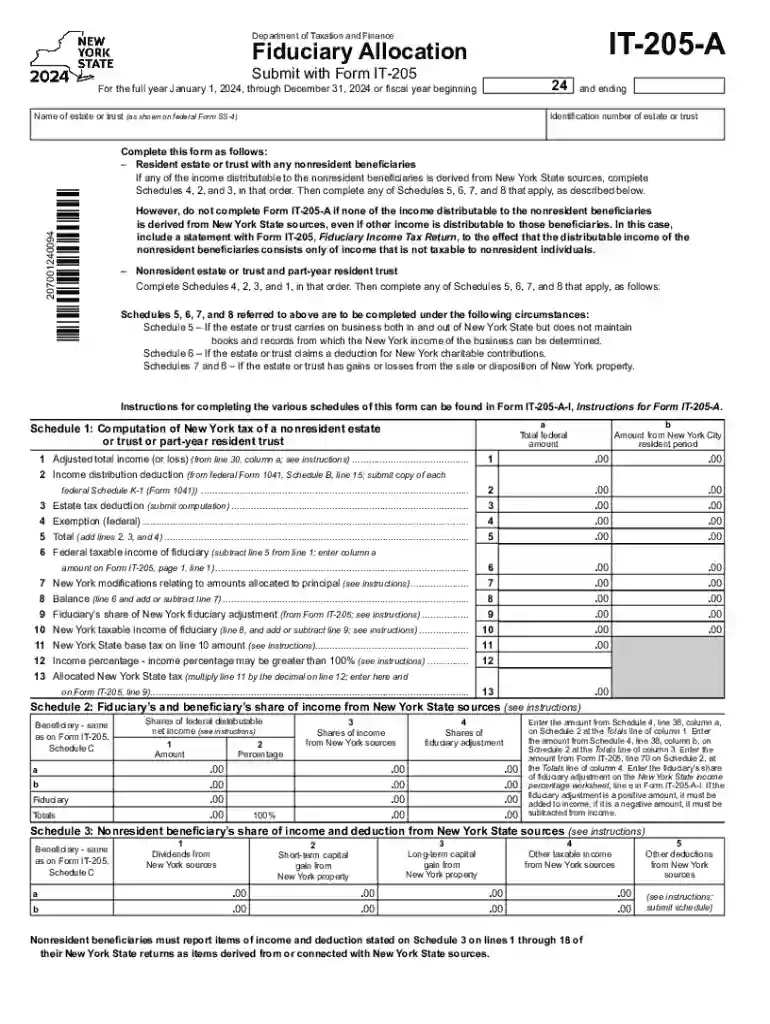
Form IT-205-A is a New York State tax form used for fiduciary allocation purposes in the fiscal year 2024. It is designed for estates and trusts to report income distributable to beneficiaries, with a focus on those derived from New York State sources. The aim is to ensure proper allocation and taxation of fiduciary income based on residency and source rules. The form includes detailed instructions and schedules for computing taxable income, deductions, and allocations for resident and nonresident estates or trusts, ensuring compliance with state tax obligations.
This form is primarily used by fiduciaries of estates and trusts, including executors and trustees, where the estate or trust has beneficiaries who receive income from New York State. Both resident and nonresident estates or trusts may need to file this form to accurately reflect the allocation of income for tax purposes. This ensures that the income tax burden is appropriately distributed according to the residency status of all parties involved as well as the income sources.


To correctly complete this form, one must navigate through several critical components:
Schedules for Income Distribution: These outline how income should be distributed among beneficiaries based on state residency and income source.
Deductions and Allocations: These schedules help calculate the total deductions allowable and allocate costs against certain types of income.
Residency Determinations: The form necessitates clear documentation of whether an estate or trust is treated as a resident or nonresident entity for tax purposes.
Source of Income: Identifying income derived from New York State sources is essential for the allocation process.
Using this form involves several steps to ensure accurate filing:
Gather Financial Information: Collect all relevant financial data of the trust or estate, particularly income sources and any past tax documents.
Determine Residency Status: Establish whether the estate or trust and its beneficiaries are considered residents or nonresidents of New York State.
Fill Out Schedules: Complete the schedules related to income distribution, deductions, and tax allocations as per the provided instructions.
Review and Submit: After filling out the form, review it for accuracy before submitting it by the specified deadline.
Fill the General Information: Input basic details about the estate or trust and contact information of the fiduciary.
Complete Income Distribution Schedules: Accurately detail the source and amount of income distributed to beneficiaries.
Determine Deductions and Allocations: Assess permissible deductions and allocate them accurately to reduce taxable income.
Calculate Taxable Income: Based on the allocations and deductions, compute the taxable income for the estate or trust.
Finalize and Submit: Ensure all information is accurate, sign where applicable, and submit the form by the deadline via the chosen method (mail, online, or in-person).
For the tax year 2024, it is crucial to adhere to New York's tax filing deadlines. Typically, fiduciaries of estates and trusts must file by April 15 of the following calendar year unless extensions are requested. Missing these deadlines may lead to penalties or interest charges, emphasizing the importance of timely submission.
Failing to file Form IT-205-A by the deadline or providing incorrect information can result in financial penalties. The New York State Department of Taxation and Finance may impose fines or interest on overdue taxes. Additionally, discrepancies or omissions might trigger further audits, potentially complicating the fiduciary's tax affairs. Therefore, accuracy and timeliness are critical.
Case Study 1: An executor of a will for a New York resident uses the form to allocate income from bonds and rental properties among out-of-state beneficiaries, ensuring each pays the correct amount of state tax.
Case Study 2: A trust based in New York, with assets generating dividends, uses IT-205-A to divide annual income among three beneficiaries, two of whom live out of state, highlighting the importance of understanding NY-specific tax rules.
When preparing to complete Form IT-205-A, fiduciaries should assemble various documents, including:
Tax preparation software like TurboTax and QuickBooks can facilitate the completion of Form IT-205-A, offering integrated tools to calculate fiduciary allocations and manage complex schedules. These platforms often provide additional guidance and ensure compliance with New York State tax laws. Utilizing software can also streamline the preparation and submission process, reducing risks of errors in complex calculations.
We've got more versions of the Form IT-205-A Fiduciary Allocation Tax Year 2024 form. Select the right Form IT-205-A Fiduciary Allocation Tax Year 2024 version from the list and start editing it straight away!
At DocHub, your data security is our priority. We follow HIPAA, SOC2, GDPR, and other standards, so you can work on your documents with confidence.
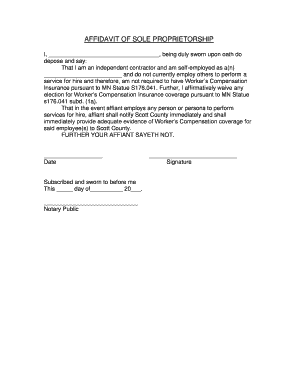

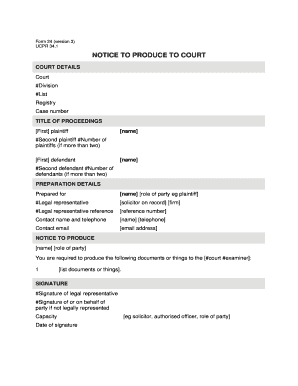
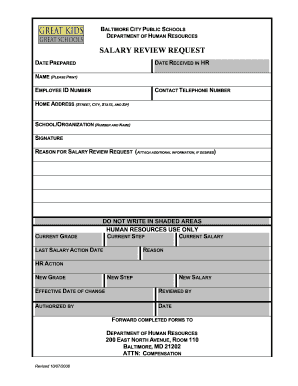



Complete this form as follows: Resident estate or trust with any nonresident beneficiaries. If any of the income distributable to the nonresidentRead more
by TA Kranick 2025 Connecticut has since amended its. PTET to make it elective starting with the 2024 tax year. See Brian Myers Eileen. Reichenberg SherrRead more


