Definition & Meaning
The primary keyword, "Authorized Representative for Withholding Agent," refers to an individual or entity designated by a withholding agent to handle specific tax-related duties on behalf of the agent. In the context of tax administration, a withholding agent is responsible for deducting and remitting withholding taxes from payments made to foreign persons. An authorized representative essentially acts as a liaison with government tax authorities, ensuring compliance with tax regulations. This designation is crucial for ensuring that the withholding agent meets all legal obligations related to withholding taxes.
Key Functions of an Authorized Representative
- Communication with Tax Authorities: The representative acts as the primary point of contact with tax authorities, providing necessary documentation and responding to inquiries.
- Compliance Oversight: Ensures that the withholding agent complies with applicable withholding tax laws and regulations.
- Documentation Management: Handles the preparation, submission, and maintenance of all necessary tax documents and records.
- Appeals and Dispute Resolution: Represents the withholding agent in any disputes or appeals with tax authorities regarding withholding tax issues.
How to Use the Authorized Representative for Withholding Agent Form
The form for designating an authorized representative for a withholding agent is used to officially appoint an individual or entity to act on the agent's behalf regarding withholding tax matters. Here's how it typically works:
- Identify the Withholding Agent: Start by identifying who the withholding agent is and the specific duties they need an authorized representative to perform.
- Select an Authorized Representative: Choose an individual or a firm with the expertise and capability to fulfill the required responsibilities effectively.
- Complete the Form: Fill out the form with accurate information about both the withholding agent and the authorized representative.
- Submit the Form: Send the completed form to the relevant tax authority, either online, by mail, or in person.
Considerations
- Ensure that the authorized representative has sufficient knowledge of withholding tax laws to handle responsibilities.
- Define the scope and limits of the authority given to the representative clearly on the form.
Steps to Complete the Authorized Representative for Withholding Agent
Filling out the Authorized Representative for Withholding Agent form requires attention to detail and precision. Here’s a step-by-step guide to assist you:
- Gather Required Information: Collect necessary details about the withholding agent, such as identification numbers and contact information.
- Provide Representative Details: Enter the full name, contact details, and any relevant credentials of the designated representative.
- Define the Scope of Authority: Clearly specify the permissions and limitations of the representative's role to avoid future misunderstandings.
- Sign and Date the Form: Both the withholding agent and the designated representative must provide their respective signatures, certifying the information provided is accurate and complete.
- Submit the Completed Form: Use the preferred method of submission suggested by the tax authority, ensuring all deadlines are met.
Important Terms Related to Authorized Representative for Withholding Agent
Understanding key terms associated with withholding agents and their authorized representatives enhances comprehension of the form and its implications:
- Withholding Agent: An entity that withholds tax from payments and remits it to the government on behalf of a foreign payee.
- Withholding Tax: The portion of income tax withheld from payments made to foreign persons.
- Tax Authority: The governing body responsible for tax collection and enforcement.
- Authorized Representative: An individual or firm appointed to manage withholding tax-related tasks on behalf of a withholding agent.
Commonly Used Acronyms
- TIN: Taxpayer Identification Number used to identify issuing and recipient entities.
- IRS: Internal Revenue Service, the U.S. federal agency overseeing tax collection and tax law enforcement.
Legal Use of the Authorized Representative for Withholding Agent
Appointing an authorized representative has several legal implications:
- Authority Delegation: Legally entrusts the representative to act on the withholding agent's behalf, with binding authority in dealings with tax authorities.
- Compliance Assurance: Aids in fulfilling legal obligations, avoiding penalties, and adhering to U.S. tax laws.
- Confidentiality and Responsibility: Mandates that the representative maintain confidentiality while accurately executing their duties.
Scenarios Requiring Legal Representation
- Handling audits and negotiations with tax authorities.
- Addressing compliance issues or disputes over tax obligations.
IRS Guidelines
The IRS provides specific guidelines to govern the conduct of withholding agents and their authorized representatives:
- Designated Form Use: The IRS prescribes particular forms that must be used to appoint an authorized representative.
- Renewal and Updates: Regular updates and renewals of the representation form may be necessary, especially if there's any change in representation.
Relevant IRS Publications
- Publication 515: Provides details on withholding of tax on nonresident aliens and foreign entities.
- Form 2848: IRS Power of Attorney and Declaration of Representative form used for various tax-related authorizations.
State-Specific Rules for the Authorized Representative for Withholding Agent
While the IRS sets federal guidelines, states may have additional stipulations:
- State-Specific Registration: Some states require separate registration of withholding agents and their representatives.
- State Tax Withholding Differences: Variations in state tax laws can affect the withholding processes and requirements for authorized representatives.
Examples of State-Specific Documents
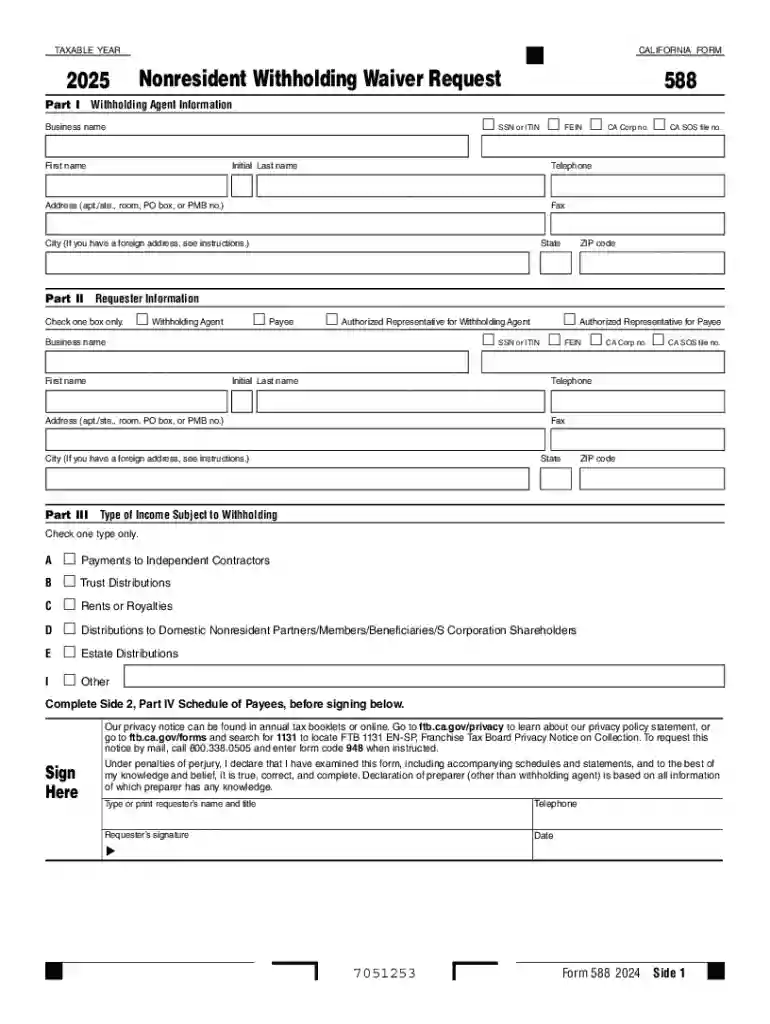
- California's Form 588 for Nonresident Withholding Waiver Request.
- New York's IT-203-C form for electing a state withholding agent.
Penalties for Non-Compliance
Failing to designate an authorized representative properly or non-compliance with withholding tax obligations can lead to various penalties:
- Monetary Fines: Financial penalties imposed by tax authorities for late submissions or incorrect filings.
- Legal Consequences: Potential lawsuits or enforcement actions taken by tax authorities.
- Reputational Risk: Damage to business reputation due to non-compliance and potential public disclosure of penalties.
Examples of Penalties
- Incorrect or incomplete withholding can result in paying the withheld amount along with interest and fines.
- Failure to file required forms could lead to additional scrutiny and potential further investigations by the IRS or state entities.