




01. Edit your form online
Type text, add images, blackout confidential details, add comments, highlights and more.

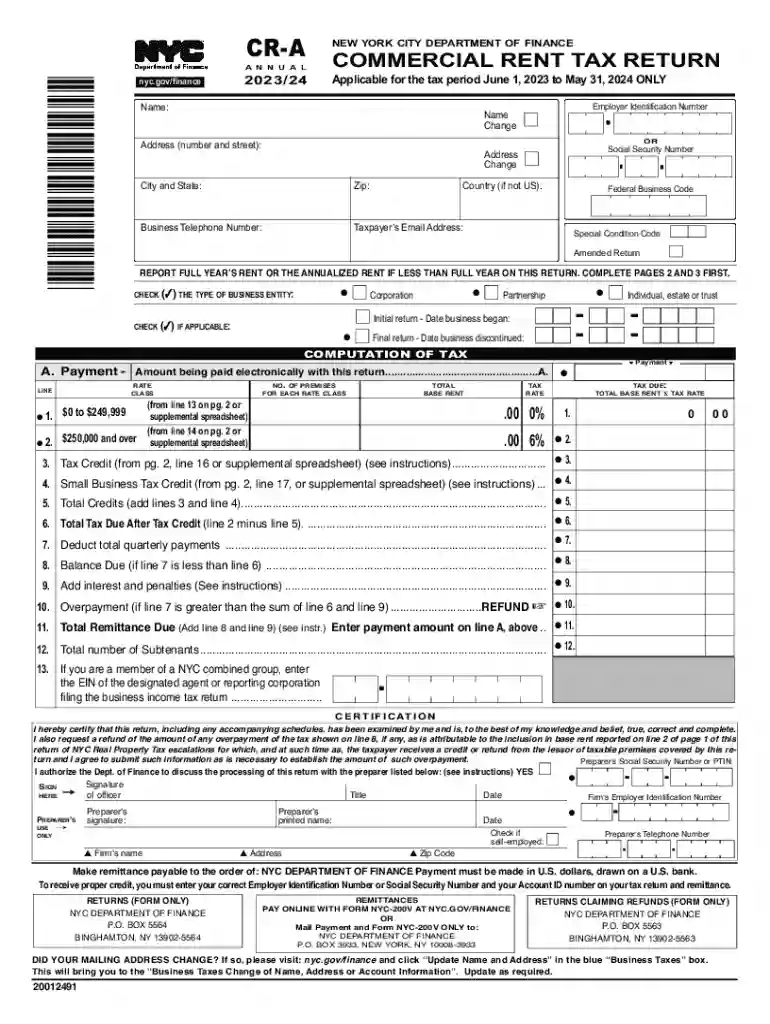
Type text, add images, blackout confidential details, add comments, highlights and more.

Draw your signature, type it, upload its image, or use your mobile device as a signature pad.

Send it via email, link, or fax. You can also download it, export it or print it out.
Form CT-3 is an essential tax document utilized by New York State businesses to report their corporate income taxes. The form captures various financial data to calculate the tax liability of businesses, ensuring comprehensive compliance with state tax codes. Understanding the intricacies of Form CT-3 is critical for accurate tax reporting and avoiding penalties.
Understanding these components ensures accurate self-assessment and adherence to tax regulations.
The instructions for Form CT-3 serve as a detailed guide to completing the form accurately. They provide step-by-step directions for each section of the form, catering to specific business structures, such as corporations and franchises.
These steps aid businesses in navigating the complexities of tax filing, ensuring completeness and correctness.
Completing the instructions involves several foundational steps to ensure all elements of the form are addressed correctly.
These steps streamline the completion process, minimizing errors and potential audits.
Several documents are necessary when completing Form CT-3 to substantiate income and deductions.
Ensuring these documents are in order aids in accurate form completion and compliance.
The primary users of the CT-3 instructions are businesses obligated to file corporate income taxes in New York State, including:


Understanding user demographics helps tailor the instructions for maximum efficacy.
Familiarity with certain tax-related terms ensures a deeper comprehension of the instructions.
Grasping these terms assists users in effectively interpreting the instructions.
Accurate adherence to filing deadlines is crucial to avoid late fees and penalties.
Keeping these critical timelines in mind ensures compliance and avoids fiscal penalties.
Failing to comply with Form CT-3 requirements can lead to significant fiscal repercussions.
Understanding penalties underlines the importance of diligently following the instructions and meeting all obligations promptly.
We've got more versions of the Instructions for Form CT-3 - Department of Taxation and Finance form. Select the right Instructions for Form CT-3 - Department of Taxation and Finance version from the list and start editing it straight away!
| Versions | Form popularity | Fillable & printable |
|---|---|---|
| 2025 | 4.9 Satisfied (38 Votes) | |
| 2024 | 4.7 Satisfied (29 Votes) | |
| 2023 | 4.3 Satisfied (33 Votes) | |
| 2022 | 4.8 Satisfied (60 Votes) | |
| 2021 | 4.8 Satisfied (216 Votes) | |
| 2020 | 4.4 Satisfied (152 Votes) | |
| 2019 | 4.2 Satisfied (49 Votes) | |
| 2018 | 4.3 Satisfied (196 Votes) | |
| 2016 | 4.4 Satisfied (60 Votes) | |
| 2014 | 4.4 Satisfied (540 Votes) | |
| 2012 | 4 Satisfied (33 Votes) | |
| 2011 | 4 Satisfied (29 Votes) |
At DocHub, your data security is our priority. We follow HIPAA, SOC2, GDPR, and other standards, so you can work on your documents with confidence.



From sustainability to jobs, you can expect more from Target. Learn about our history, values and mission. News, Careers, Investors, Sustainability Governance
Dec 23, 2025 Taxable domestic international sales corporations must file Form CT-3 on or before the 15th day of the ninth month after the end of the tax yearRead more
Refer to the form instructions available on the State of CT Department of Revenue Services website(Link is external). Familiarize yourself with the relevant CTRead more


