




01. Edit your form online
Type text, add images, blackout confidential details, add comments, highlights and more.

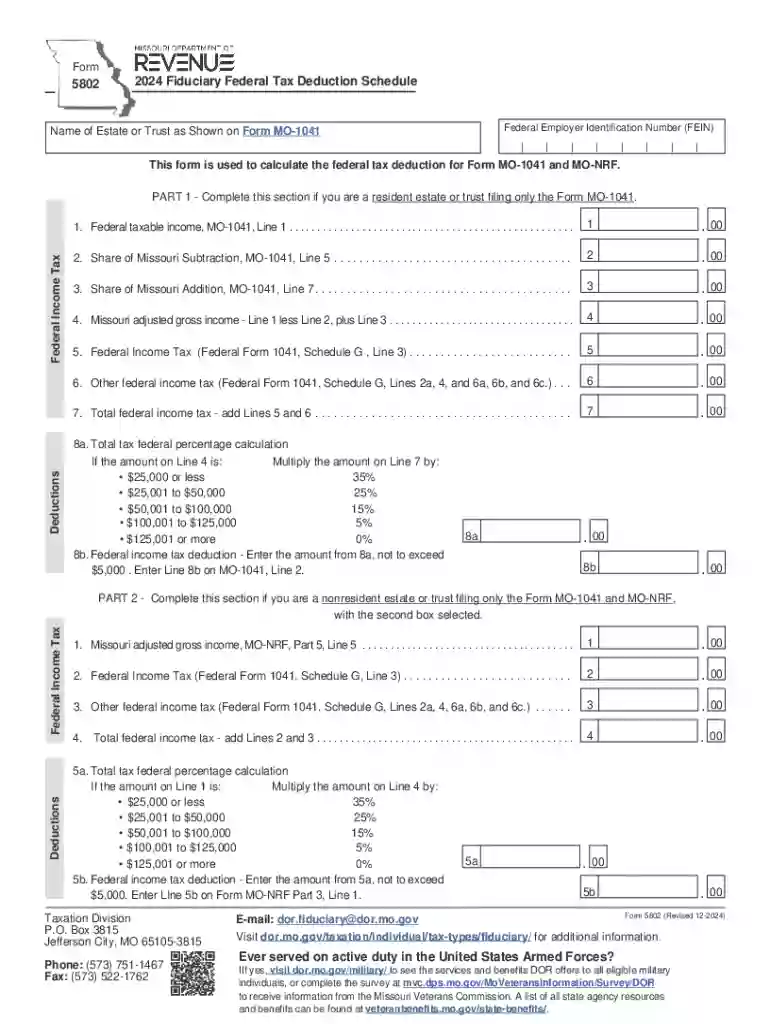
Type text, add images, blackout confidential details, add comments, highlights and more.

Draw your signature, type it, upload its image, or use your mobile device as a signature pad.

Send it via email, link, or fax. You can also download it, export it or print it out.
Form IT-205-A is a critical document used to determine fiduciary allocation for tax year 2024. It is primarily utilized in the context of fiduciary duties for estates and trusts in the United States. The form provides a comprehensive framework for allocating income, deductions, and credits among fiduciaries according to federal and state tax regulations. It serves as a crucial tool for ensuring that the financial responsibilities of estates and trusts are met correctly and fairly.
Using Form IT-205-A involves a systematic approach to ensure accurate fiduciary allocation. The process begins with gathering necessary documentation, followed by understanding specific tax obligations for the estates or trusts involved.
Completing Form IT-205-A requires attention to detail and an understanding of the fiduciary’s financial landscape. Each step is designed to maximize accuracy and compliance with tax laws.
The form is composed of vital sections that each serve specific roles in fiduciary tax allocations. Understanding each element ensures thorough compliance and accurate filings.
Legal compliance is paramount when handling Form IT-205-A. The form is designed to meet federal and state legal standards for fiduciary accounting.
Different states may have nuanced applications of Form IT-205-A, requiring a tailored approach to its completion and submission.
Adhering to IRS guidelines is crucial for the correct completion of Form IT-205-A. These guidelines ensure compliance and reduce the risk of penalties.
Timeliness is essential when dealing with tax forms. The deadlines associated with Form IT-205-A are particularly significant.
We've got more versions of the Form IT-205-A Fiduciary Allocation Tax Year 2024 form. Select the right Form IT-205-A Fiduciary Allocation Tax Year 2024 version from the list and start editing it straight away!
At DocHub, your data security is our priority. We follow HIPAA, SOC2, GDPR, and other standards, so you can work on your documents with confidence.

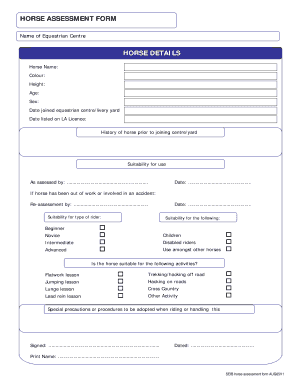
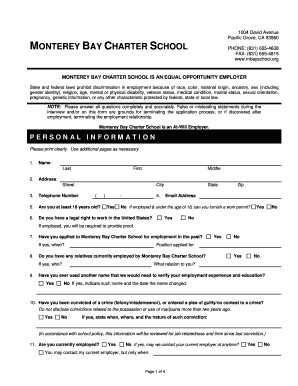
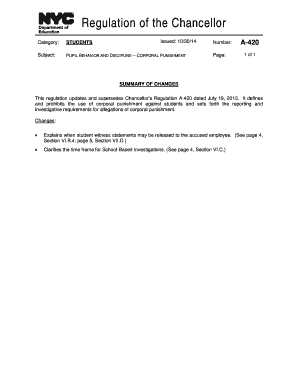

by TA Kranick 2025 Connecticut has since amended its. PTET to make it elective starting with the 2024 tax year. See Brian Myers Eileen. Reichenberg SherrRead more
Complete this form as follows: Resident estate or trust with any nonresident beneficiaries. If any of the income distributable to the nonresidentRead more


