




01. Edit your patient attestation form online
Type text, add images, blackout confidential details, add comments, highlights and more.

Type text, add images, blackout confidential details, add comments, highlights and more.

Draw your signature, type it, upload its image, or use your mobile device as a signature pad.

Send it via email, link, or fax. You can also download it, export it or print it out.
The patient attestation form is primarily used by individuals seeking physical therapy care. This form serves two main purposes: it collects critical personal and medical information from patients and confirms that they are not currently receiving treatment from other medical professionals for their present symptoms. Additionally, it includes a consent section that allows the release of medical records to a designated clinician if there is no improvement in symptoms after a specified period, typically fourteen business days. By using this form, medical facilities ensure that they have proper authorization and adequate information to provide appropriate care.
This form is structured to capture vital information required for effective medical treatment. Key sections typically include:
Each section is designed to ensure comprehensive data collection, allowing healthcare providers to make informed decisions about treatment strategies.
Completing the patient attestation form involves a series of straightforward steps:
Ensuring accuracy and completeness will prevent delays in treatment.
The significance of the patient attestation form cannot be understated. It serves multiple critical functions:
A properly completed form is essential for optimal healthcare outcomes.
The patient attestation form is typically utilized by individuals seeking physical therapy or those undergoing treatment for specific medical conditions. It is particularly important for:
This form is vital in ensuring that medical history is accessible to all parties involved in a patient's care.
Understanding the language used in the patient attestation form can facilitate its completion:
These terms ensure clarity and mutual understanding between the patient and healthcare providers.
From a legal perspective, the patient attestation form has several important implications:
Ensuring that patients understand the legal aspects of the form helps protect all parties involved.
There are several ways to submit the completed patient attestation form, ensuring flexibility and convenience:
Using an electronic platform ensures timely receipt and reduces the risk of lost paperwork.
At DocHub, your data security is our priority. We follow HIPAA, SOC2, GDPR, and other standards, so you can work on your documents with confidence.

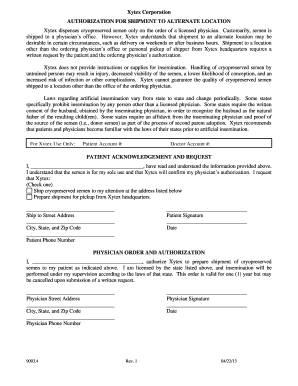
Alaska Medicaid Patient Readiness Assessment Attestation. Last Name: First Name: Page 2 of 2. PATIENT CHECKLIST. I Fax this form to (888) 603-7696.Read more
In the form that pops up, near the bottom you will see an Attestation Message line. There you can put in the new attestation message, and this will thenRead more
The following must be filled out by your primary health care provider. Any attachments that will assist in the completion of this form should be sent.Read more


