




Here's how it works

01. Edit your form online
Type text, add images, blackout confidential details, add comments, highlights and more.

02. Sign it in a few clicks
Draw your signature, type it, upload its image, or use your mobile device as a signature pad.

03. Share your form with others
Send it via email, link, or fax. You can also download it, export it or print it out.
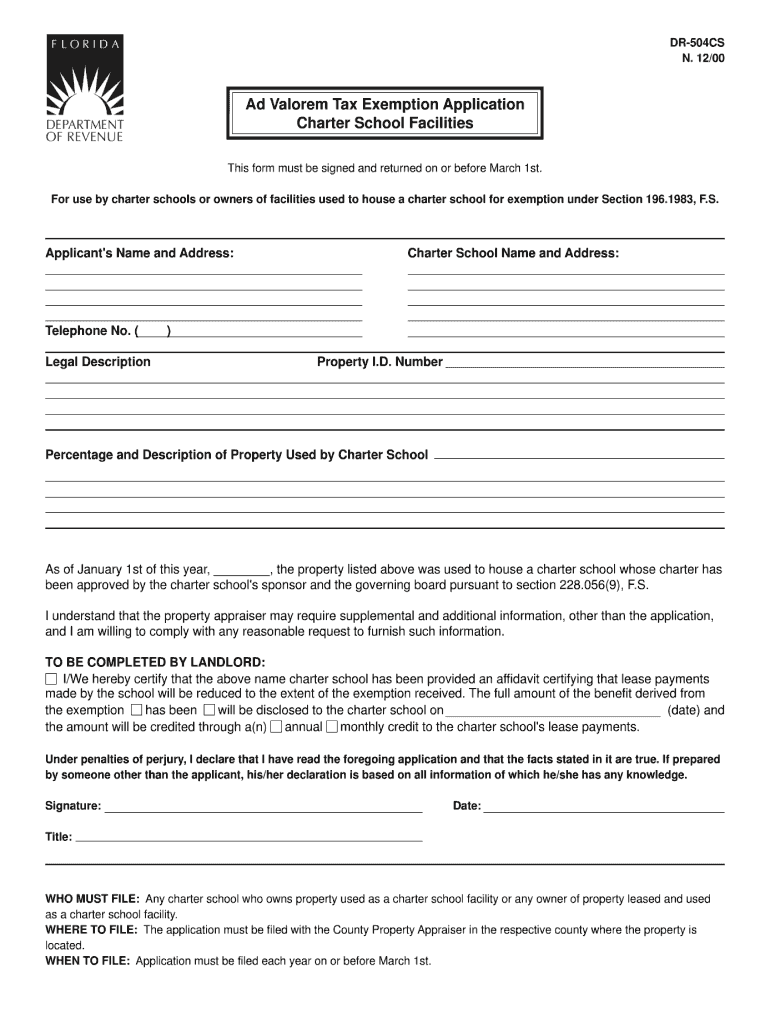
How to use or fill out dr504cs with our platform

- Click ‘Get Form’ to open the dr504cs in the editor.
- Begin by reviewing the header section, where you will enter your personal information such as name, address, and contact details. Ensure accuracy for effective communication.
- Move to the main body of the form, which typically includes specific questions or fields related to your situation. Fill these out carefully, providing all necessary details as prompted.
- If there are checkboxes or multiple-choice options, select the appropriate responses that best reflect your circumstances.
- Finally, review all entries for completeness and correctness before signing at the designated area. Utilize our platform’s features to add your signature easily.
Start using our platform today to fill out your dr504cs form online for free!
Fill out dr504cs online
It's free
It's free
Got questions?
We have answers to the most popular questions from our customers. If you can't find an answer to your question, please contact us.
Contact us
What is the difference between ad valorem and non-ad valorem in Florida?
Ad Valorem Taxes: The tax collector applies the millage rate set by taxing authorities to the taxable value provided by the property appraiser. Non-Ad Valorem Assessments: Taxing authorities determine the non-ad valorem assessments (e.g., fire service, solid waste service, mosquito control, etc.).
What is ad valorem tax exemption in Florida?
Ad Valorem (Property) Tax If you maintain the property as your primary residence, you can receive an exemption of up to $50,000 from the assessed value of your property. This homestead exemption also provides for a cap on the amount your assessment can be increased from year to year.
What is ad valorem tax in simple terms?
The Latin phrase ad valorem means ing to value. Ad valorem taxes are levied based on the determined value of the item being taxed. Municipal property taxes are the most common application of ad valorem taxes.
Do you pay ad valorem tax every year in Florida?
Ad Valorem taxes on real property and tangible personal property are collected by the Tax Collector on an annual basis, beginning on November 1st for the calendar year January through December.
What property is exempt from ad valorem taxes?
These exempt properties generally include property owned by nonprofit entities, religious organizations, and governments. Also, some states and local governments will give exemptions for certain groups. For example, if a homestead exemption exists, a property owner will not pay taxes on their primary home.
Security and compliance
At DocHub, your data security is our priority. We follow HIPAA, SOC2, GDPR, and other standards, so you can work on your documents with confidence.
Learn more


