




01. Edit your biodata fill up example online
Type text, add images, blackout confidential details, add comments, highlights and more.

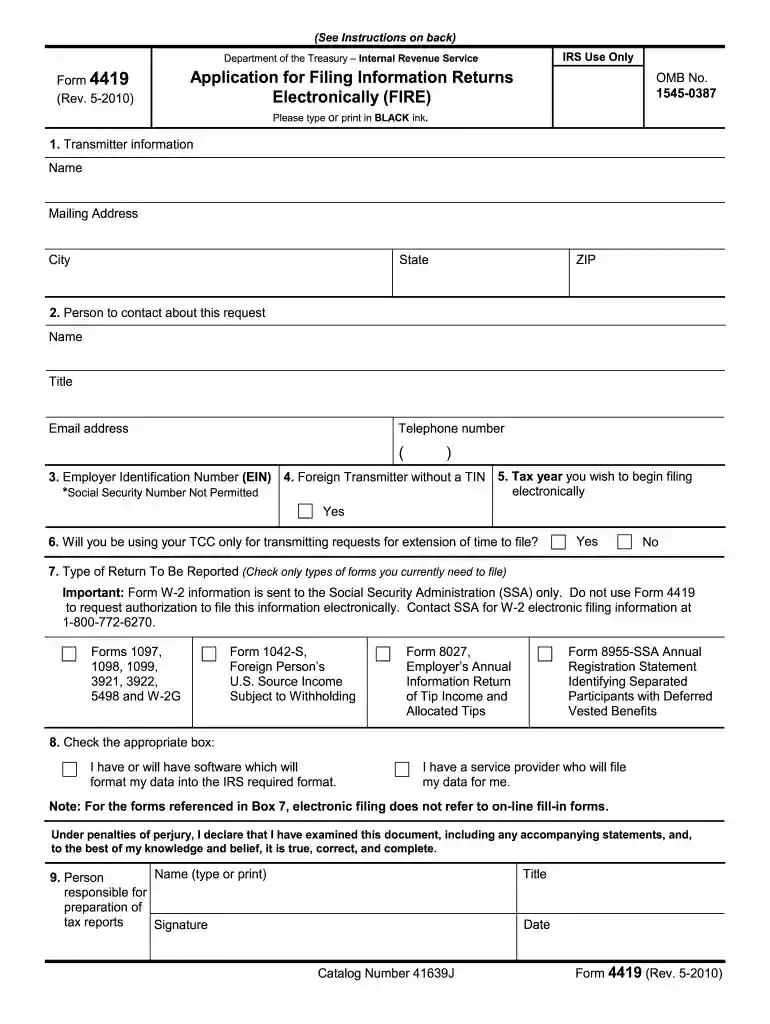
Type text, add images, blackout confidential details, add comments, highlights and more.

Draw your signature, type it, upload its image, or use your mobile device as a signature pad.

Send how to fill up bio data via email, link, or fax. You can also download it, export it or print it out.
A simple biodata format for a job fresher in 2010 is a concise document that presents essential personal and professional information tailored for individuals applying for their first job. This format typically includes personal details, educational background, skills, and sometimes, personal interests. Designed to be straightforward, it allows freshers to communicate their potential and alignment with job requirements efficiently.
Utilizing this biodata format involves structuring your information clearly and concisely to make a strong impression on potential employers. Begin by filling out your personal details, such as name, contact information, and address, at the top. Next, include your educational qualifications in reverse chronological order, starting with the most recent degree. Highlight any skills relevant to the job, and if applicable, mention hobbies that might resonate with the company's culture. This structured presentation can help emphasize your suitability for entry-level positions.
To obtain the simple biodata format for a job fresher in 2010, you can create one from scratch using word processing software like Microsoft Word or Google Docs. Templates are often available online. These templates can be adjusted to suit your particular background and the job you are applying for. Ensure the template is simple and professional, focusing on clarity and readability.
Start with Personal Information:
Educational Background:
Skills and Competencies:
Interests and Hobbies:
Final Review:
The simple biodata format is beneficial for freshers applying for their first job due to its streamlined approach. It provides a clear snapshot of your credentials and potential, without overwhelming potential employers with too much information. This concise format also helps keep applications relevant and focused, showcasing qualifications and skills effectively.
Consider a scenario where a recent college graduate is applying for an entry-level marketing position. By using the simple biodata format, they can highlight relevant coursework, internships, or volunteer experiences that demonstrate their readiness for the role. They might include skills such as proficiency in digital marketing tools or social media platforms, tailoring their biodata to match key job responsibilities.
The biodata format may also be used to meet certain regulatory standards, such as equality in hiring practices. While biodata includes personal information, it should not request or disclose sensitive information like marital status or ethnicity, as this could contravene employment laws and discrimination regulations within the United States. This ensures compliance and promotes fair hiring.
We've got more versions of the biodata fill up example form. Select the right biodata fill up example version from the list and start editing it straight away!
At DocHub, your data security is our priority. We follow HIPAA, SOC2, GDPR, and other standards, so you can work on your documents with confidence.
Add a resume to your profile. You can upload your own resume or use our resume builder tool to create one online. You can add up to fiveRead more
Aresume is a brief, informative summary of your abilities, education, and experience relevant to the role you are applying.Read more
Track law firm applications and interview questions to help students succeed.


