



01. Edit your 990 schedule e online
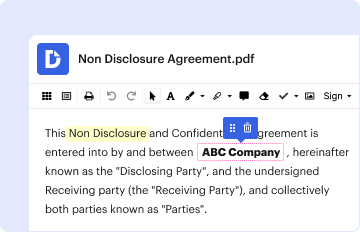
Type text, add images, blackout confidential details, add comments, highlights and more.

Type text, add images, blackout confidential details, add comments, highlights and more.
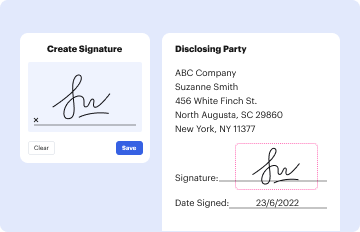
Draw your signature, type it, upload its image, or use your mobile device as a signature pad.

Send it via email, link, or fax. You can also download it, export it or print it out.
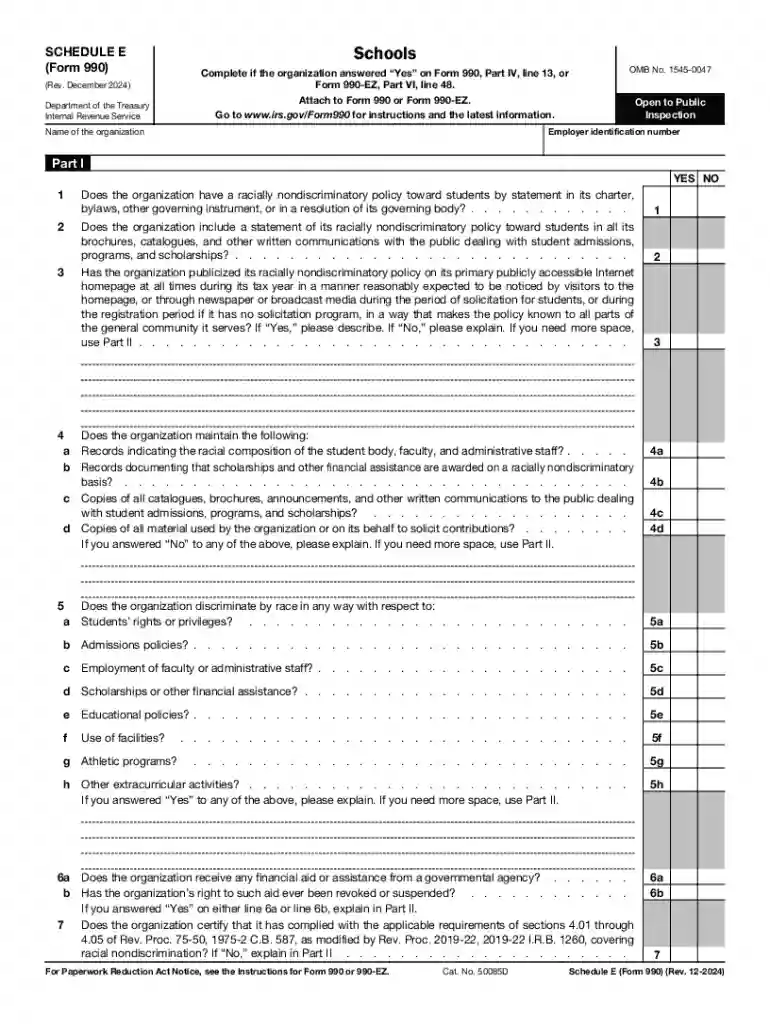
The form "Complete if the organization answered Yes on Form 990, Part IV, line 13, or" is a supplementary document required by the IRS for certain organizations. It is typically used to provide additional information regarding specific activities or policies an organization has engaged in or maintained over the fiscal year. This form ensures that the concerned entity complies with all applicable regulatory requirements and adheres to national standards for transparency and accountability. Understanding the implications of this form can help organizations maintain compliance and avoid potential penalties.
To use this form effectively, organizations need to understand its purpose and review each section carefully. The form requires detailed information about the organization's practices, explicitly focusing on activities related to public charity status and public support testing. Each question on the form should be addressed precisely with relevant data or documentation. Consideration should be given to accurately detailing any financial transactions, policies, or events that trigger the reporting requirement as outlined in Form 990, Part IV, line 13.
Review the Trigger Question: Begin by understanding why your organization answered 'Yes' to Part IV, line 13 of Form 990. This will guide you in filling out the relevant sections.
Gather Necessary Information: Compile all necessary documentation, including financial records, policy documents, and any other relevant data.
Complete the Form: Carefully fill out the form, ensuring that all information is accurate and complete.
Consult Professionals if Needed: If uncertain about any aspect of the form, seek guidance from legal or financial experts specializing in nonprofit tax requirements.
Completing this form is crucial for several reasons. Primarily, it ensures compliance with IRS regulations, reflecting the organization's commitment to transparency and legal responsibility. Failing to submit this form, when required, can lead to penalties or sanctions that may affect an organization's operations. Moreover, it reinforces trust with donors, stakeholders, and the community by demonstrating responsible governance and adherence to public standards.
Understand Requirements: Familiarize yourself with the reporting requirements defined by the IRS for the specific activities or financial transactions reported.
Prepare Supporting Documents: Identify and gather documents supporting the information needed, such as transaction records, policy statements, and financial statements.
Accurate Entry: Input all required data and ensure accuracy for each section or question. It's essential to routinely cross-check entries for correctness.
Review: Before submitting the form, conduct a comprehensive review to catch errors or omissions.
Submit: File the completed form along with Form 990, using the IRS-approved submission method.
This form is primarily used by nonprofit organizations and other types of institutions subject to IRS oversight regarding charitable activities. These entities may widely include educational institutions, healthcare organizations, religious groups, and various public charities required to confirm their compliance with specific regulatory and operational conditions reported on Form 990.


This form comprises various essential elements, each requiring specific attention:
Financial Disclosure: Accurate reporting on financial activities is crucial, requiring detailed insight into revenue sources and spending.
Policy Affirmation: Organizations must affirm specific policies are in place, aligning with nondiscrimination and fiscal responsibility standards.
Activity Reporting: Includes a description of activities that necessitate the submission of this additional information form.
The IRS provides comprehensive guidelines detailing when and how this form should be completed. Proper compliance with these guidelines ensures that the filing entity adheres to federal regulations and avoids discrepancies that could lead to audits or penalties. These guidelines cover aspects such as timing, accuracy of information, and necessary disclosures.
Adhering to the filing deadlines is crucial for avoiding penalties. Generally, this form should be filed concurrently with the main Form 990, usually due on the 15th day of the 5th month after the end of the organization’s accounting period. However, extensions and specific circumstances may affect these deadlines, requiring close attention to IRS communications for compliant filing.
Failure to complete this form or provide accurate information can result in significant penalties. These may include financial fines or loss of tax-exempt status, which can profoundly affect the organization's ability to operate effectively. Timely and accurate completion of this form is essential for maintaining good standing with IRS regulations.
We've got more versions of the 990 schedule e form. Select the right 990 schedule e version from the list and start editing it straight away!
| Versions | Form popularity | Fillable & printable |
|---|---|---|
| 2024 | 4.7 Satisfied (48 Votes) | |
| 2023 | 4.4 Satisfied (36 Votes) | |
| 2022 | 4.1 Satisfied (53 Votes) | |
| 2021 | 4.8 Satisfied (72 Votes) | |
| 2020 | 4.3 Satisfied (97 Votes) | |
| 2019 | 4.2 Satisfied (103 Votes) | |
| 2018 | 4.2 Satisfied (24 Votes) | |
| 2017 | 4.4 Satisfied (248 Votes) | |
| 2016 | 4.4 Satisfied (181 Votes) | |
| 2015 | 4.3 Satisfied (169 Votes) |
At DocHub, your data security is our priority. We follow HIPAA, SOC2, GDPR, and other standards, so you can work on your documents with confidence.


See Form 990, Part X, line 25. Complete if the organization answered Yes to Form 990, Part IV, line 11d. See Form 990, Part X, line 15. Complete if the
Complete if the organization answered Yes on Form 990, Part IV, because it had one or more related tax-exempt organizations during the tax year. Part IV


