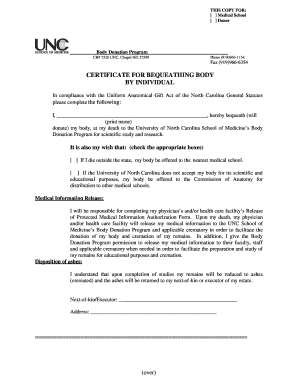
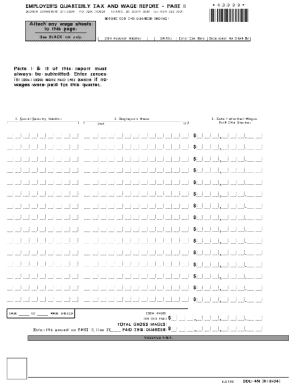
College education plan template 2026

Get Form
education plan template college Preview on Page 1

Here's how it works

01. Edit your education plan template college online
Type text, add images, blackout confidential details, add comments, highlights and more.

02. Sign it in a few clicks
Draw your signature, type it, upload its image, or use your mobile device as a signature pad.

03. Share your form with others
Send college education plan template via email, link, or fax. You can also download it, export it or print it out.

Definition and Purpose of a College Education Plan Template

A college education plan template is a structured document designed to assist students in organizing and planning their academic journey. This template breaks down course requirements, helping students to outline their pathway towards earning a degree. It typically includes sections for personal information, major requirements, semester-wise course planning, and spaces for notes and signatures from students and counselors. By providing a clear framework, this template supports students in ensuring they meet all the necessary academic requirements within their chosen timeline.

Benefits of Using a Template

  • Organization: Clearly lays out courses, making it easier to visualize and plan semesters.
  • Tracking Progress: Allows students to track completed courses and remaining requirements.
  • Counselor Collaboration: Facilitates meaningful discussions with advisors through shared access to the plan.
  • Time Management: Aids in scheduling courses efficiently to complete the degree within a desired timeframe.

Steps to Complete the College Education Plan Template

  1. Personal Information Entry: Begin by filling in personal details including full name, student ID, and contact information.
  2. Degree Selection: Indicate the degree type being pursued, along with the major or concentration.
  3. Course Planning by Semester:
    • Allocate prospective courses to each semester.
    • Consider prerequisites and course availability.
  4. Additional Notes: Use this section for any special considerations or conflicts that may arise.
  5. Advisor Review: Schedule a meeting with an academic advisor to review the plan.
  6. Signature Collection: Both student and advisor should sign the document, affirming agreement and ensuring accountability.

Tips for Effective Completion

  • Use the institution's academic catalog as a guide.
  • Regularly update the plan to reflect completed courses and any changes in academic goals.
  • Be realistic about course loads based on personal capacity and external commitments.

How to Use a College Education Plan Template

Utilizing in Academic Planning

Seasoned advisers and students typically begin by reviewing the institution’s academic catalog, identifying major requirements, and cross-referencing these with the template. Regular consultations ensure alignment with academic goals, with meetings scheduled to adjust the plan based on factors such as course availability or changing interests.

Tools and Technologies

  • Many institutions offer digital templates compatible with platforms like DocHub, Google Docs, or Microsoft Word.
  • DocHub allows seamless integration with cloud storage, enabling students to manage and update their templates from anywhere.

Key Elements to Include in a College Education Plan Template

  • Header Information: This includes the student's name, the date of the template's creation, and identification numbers.
  • Academic Goals and Outcomes: Concisely outline the degree objectives.
  • Detailed Semester Breakdown: Allocate courses to each academic period, ensuring prerequisites are met.
  • Notes and Comments Section: Reserved for additional information, such as internship requirements or elective choices.
  • Advisor Interaction Panel: Tracks advisor feedback and suggested modifications to your academic plan.

Examples of Information-Rich Details

  • Course Codes and Titles: Listing these provides clarity and quick reference.
  • Credit Hours: Aligns with graduation requirements and helps manage workload.
  • Elective Options: Offers flexibility and customization of the degree path.

Important Terms Related to College Education Plan Templates

Understanding terminology is crucial:

  • Prerequisite: A required course that must be completed before enrolling in a related, advanced course.
  • Elective: A non-required course chosen based on personal interest or to fulfill credit requirements.
  • Credit Hour: A unit that measures educational credit, typically based on the number of hours spent in class.

Legal Use and Considerations

Compliance and Integrity

Most academic institutions mandate the use of education planning templates to ensure compliance with graduation requirements. Students are encouraged to complete these plans with accuracy and honesty to uphold academic integrity standards.

Responsibility and Accountability

The signature section of the template not only verifies authenticity but also holds both students and advisors accountable for the completion of the outlined plan.

Versions and Alternatives to a College Education Plan Template

Institutions may provide various formats, including:

  • Standard Template: A default model provided to new students.
  • Online Interactive Version: Facilitates real-time updates and modifications.
  • Department-Specific Adaptations: Tailored templates focusing on particular majors or colleges within a university.

Consideration for Software Integration

Platforms like DocHub support seamless integration with academic systems, allowing students and advisors to collaborate efficiently and access the most accurate and updated planning resources.

be ready to get more

Complete this form in 5 minutes or less

Get form

Got questions?

We have answers to the most popular questions from our customers. If you can't find an answer to your question, please contact us.
Contact us
It is a combination of orientation, assessment, and educational planning with a counselor. An Educational Plan is a custom road map created by a counselor that lists the courses you need to meet your goals.
For most students and their families, college search priorities boil down to one or more of the five Ps: Place, Program, Prestige, Price, and Personal.
Your college planning should roughly follow the four steps outlined below. Consider Your Interests and Goals. You may or may not have some idea of what you want to major in. Research Different Types of Institutions. Understand the True Cost of College. Plan Ahead to Meet Important Deadlines.
An Educators Guide for Successful Academic Planning Comprehensive Degree Requirement Analysis. Planning with Future Courses in Mind. Smart Course Selection. Working with Advisors. Leaving Room for Customization. Tracking Progress. Leveraging Data for Smarter Planning. Incorporating Career Planning.
How to Organize Your Planner for School Include Your Class Schedules and Breaks. Assignments and Due Dates. Upcoming Exams and Study Sessions. Teacher Contact Information. Personal Commitments and Appointments. Free Time and Hobbies. What should be in an academic planner?

Security and compliance

At DocHub, your data security is our priority. We follow HIPAA, SOC2, GDPR, and other standards, so you can work on your documents with confidence.

Learn more
ccpa2
pci-dss
gdpr-compliance
hipaa
soc-compliance
be ready to get more

Complete this form in 5 minutes or less

Get form

People also ask

Opening a 529 can be completed in (as little as) these four steps: Select a plan. Youll have to choose between a savings plan or a prepaid plan. Choose a beneficiary. This will likely be your child but you can change the beneficiary at any time without penalty. Open the account. Build your portfolio.
But in general, written educational plans should contain: Your students biographical information. Summary of your childs present levels of performance. Educational goals and objectives. Time frame for accomplishing goals. Accommodations/Supports needed to meet educational needs. Related services.

Related links