





Definition & Meaning
Wholesaling real estate assignment contracts, also referred to simply as assignment contracts, are crucial components in the real estate wholesaling process. These contracts serve as legal agreements that allow a wholesaler to transfer their rights to purchase a property to another buyer, typically a real estate investor. The primary purpose is to facilitate a transaction without the wholesaler having to purchase the property directly. Instead, the wholesaler secures the rights to buy the property at a set price and then assigns those rights to another party for a fee.
Key Components
- Assignment: The process of transferring purchase rights from the wholesaler to the end buyer.
- Wholesaler's Fee: Compensation received by the wholesaler, often the difference between the purchase price agreed upon in the original contract and the price offered by the end buyer.
- Contractual Obligations: All parties must adhere to the terms laid out in the assignment contract to ensure a legally binding transaction.
Key Elements of the Assignment Contracts
Assignment contracts consist of several essential elements designed to protect all parties involved in the transaction. Understanding these components is crucial for effective contract execution.
Essential Elements
- Original Purchase Contract: Details the terms agreed upon by the wholesaler and the property seller, including purchase price and contingencies.
- Assignment Clause: A specific provision that permits the wholesaler to assign the contract to another buyer and outlines the assignment fee.
- Identification of Parties: Clearly states the identities of the buyer, seller, and assignee (end buyer).
- Contingency Terms: Conditions under which the contract can be voided, such as the inability of the end buyer to secure financing.
Steps to Complete the Assignment Contracts
Completing an assignment contract involves several critical steps that ensure compliance and protect the interests of both the wholesaler and the end buyer.
Step-by-Step Process
- Locate a Property: Identify a distressed property with potential for high returns.
- Negotiate the Purchase: Secure the original purchase contract with favorable terms.
- Draft the Assignment Contract: Clearly outline the terms for assignment, including fees and contingencies.
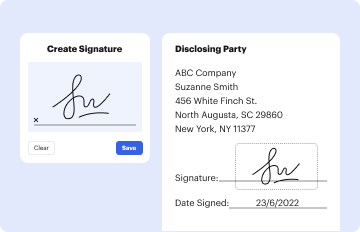
- Obtain Signatures: Ensure all parties sign the contract, as non-signing can lead to legal complications.
- Handle the Closing: Work with a 'wholesaler friendly' title company to manage the closing process, ensuring all documents are properly executed.
Legal Use of Assignment Contracts
The legality of assignment contracts in real estate wholesaling revolves around compliance with federal and state laws. Wholesalers must navigate these legal requirements to avoid potential pitfalls.
Legal Considerations
- Compliance with ESIGN Act: Ensures that electronic signatures used in contracts are legally recognized.
- State Regulations: Varies by state, with some imposing restrictions on assignment practices.
- Disclosure Obligations: Wholesalers must disclose their role and fees to all parties to avoid conflicts of interest.
State-Specific Rules for Assignment Contracts
Since real estate laws vary by state, wholesalers must be aware of specific regulations that may impact assignment contracts.
Notable State Differences
- Disclosure Requirements: Some states require full disclosure of wholesaler fees to all parties.
- Licensing Requirements: Certain states compel wholesalers to hold a real estate license.
- Assignment Limitations: In some jurisdictions, assignment contracts may be prohibited for specific types of properties, such as those in foreclosure.
Digital vs. Paper Version
While both digital and paper versions of assignment contracts serve the same legal function, each offers distinct advantages.
Comparison of Formats
- Digital Version: Offers convenience and speed, especially when integrated with platforms such as DocHub, enabling seamless editing, signing, and sharing through cloud services.
- Paper Version: Provides a physical record, useful in settings where electronic document handling is less feasible.
Important Terms Related to Assignment Contracts
Grasping the terminology related to assignment contracts is important for anyone involved in wholesaling real estate.
Commonly Used Terms
- Assignee: The individual or entity to whom the contractual rights are assigned.
- Contingency Clause: Conditions outlined in the contract that must be met for the transaction to proceed.
- Fee Agreement: The agreed-upon payment structure for the wholesaler’s assignment fee.
Examples of Using Assignment Contracts
To understand how assignment contracts function in real life, consider the following scenarios:
Practical Applications
- Motivated Sellers: Wholesalers often work with sellers eager to dispose of properties quickly due to financial distress, needing a fast resolution.
- Real Estate Investors: Investors seeking properties for rehabilitation rely on wholesalers to locate investment opportunities not listed publicly.
These sections provide an in-depth look at the roles, processes, and legal considerations surrounding wholesaling real estate assignment contracts. Understanding these details empowers professionals in the industry to conduct smooth and compliant transactions.