




01. Edit your family expenses list online
Type text, add images, blackout confidential details, add comments, highlights and more.

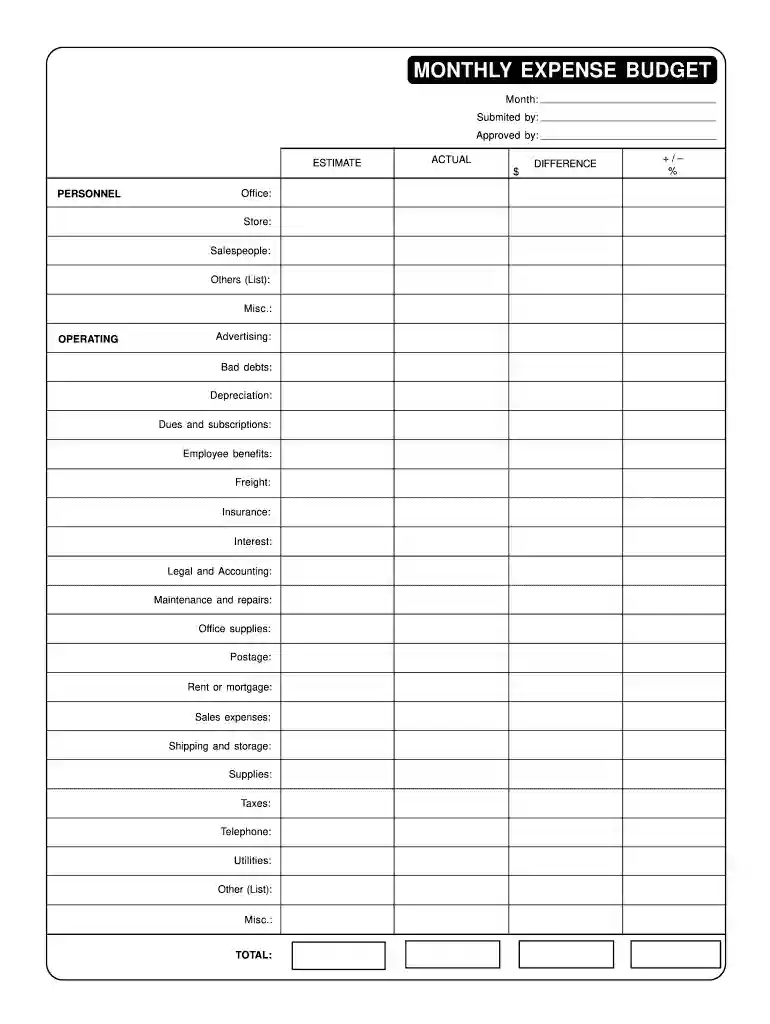
Type text, add images, blackout confidential details, add comments, highlights and more.

Draw your signature, type it, upload its image, or use your mobile device as a signature pad.

Send free online monthly budget via email, link, or fax. You can also download it, export it or print it out.
A monthly expenses list is a crucial financial tool that helps individuals and families track their spending over a set period, typically a month. This document categorizes expenses into various sections, such as housing, utilities, groceries, and discretionary spending, enabling users to understand their financial habits and identify areas for improvement.
The importance of maintaining a monthly expenses list cannot be overstated. It allows for better budgeting, helping to ensure that income covers expenditures while minimizing debt. Regularly reviewing this list can reveal emerging trends in spending, which are essential for adjusting budgets and making informed financial decisions. For example, a family may realize they spend excessively on dining out, prompting them to allocate more funds for saving or essential bills instead.
To maximize the utility of a monthly expenses list, follow these simple steps:
Identify Categories: Begin by determining which categories your expenses fall into.
Track Expenses: Gather receipts or bank statements at the end of the month to document spending accurately.
Analyze Spending Patterns: After logging expenses, review the list to identify patterns or trends.
Set Goals: Use insights gained from your expenses list to set realistic financial goals.
Adjust and Improve: Regularly revise your budget based on your findings to ensure you are living within your means.
A well-structured monthly expenses list includes several key elements:
Examples can vary depending on individual or household circumstances. Here are common scenarios illustrating practical applications:
Family Expenses Example: A family of four may create a list featuring:
This example allows the family to assess spending against their income and look for potential savings.
Single Person’s Living Expenses List: An individual might focus on:
This breakdown highlights where an individual can cut back to save for future goals.
Business Monthly Expenditure List: For a small business, the list can include:
This will help owners understand operating costs and identify areas for cost control.
Creating an effective monthly expenses list involves a step-by-step process:
By following these steps, individuals can create a robust and informative monthly expenses list that helps manage both personal and household financial health effectively.
We've got more versions of the family expenses list form. Select the right family expenses list version from the list and start editing it straight away!
| Versions | Form popularity | Fillable & printable |
|---|---|---|
| 1996 | 4.9 Satisfied (55 Votes) |
At DocHub, your data security is our priority. We follow HIPAA, SOC2, GDPR, and other standards, so you can work on your documents with confidence.
Use this worksheet to see how much money you spend this month. Then, use this months information to help you plan next months budget.Read more
Scenario: The organisation incurs routine operational expenses such as stationery, refreshments, or local travel where no supplier invoice or tax details are


