




01. Edit your form online
Type text, add images, blackout confidential details, add comments, highlights and more.

Type text, add images, blackout confidential details, add comments, highlights and more.

Draw your signature, type it, upload its image, or use your mobile device as a signature pad.

Send it via email, link, or fax. You can also download it, export it or print it out.
Certain forms, instructions, and publications used refer to official documents issued by the federal or state government designed to facilitate various processes like tax filing, business registrations, or legal compliance. These documents are essential tools for both individuals and businesses in ensuring adherence to legal and regulatory standards. They usually encompass templates for data entry, detailed instructions for accurate completion, and guidelines for submission.
These documents are critical in facilitating transparent and accurate interactions between government entities and citizens or organizations.
When using certain forms, instructions, and publications, it's vital to follow a systematic approach to ensure accuracy and compliance. Here are the key steps you should consider:
Identify the Right Document: Determine the correct form, instruction, or publication needed for your specific requirement. Ensure it's the most recent version by checking the release date or version number.
Read the Instructions: Carefully go through the accompanying instructions to understand every requirement before filling out the form. This helps prevent errors and omissions.
Gather Necessary Information: Collect all required data and supporting documents before you begin. This might include identification details, financial records, or relevant ancillary documents.
Complete the Form: Enter all information clearly and accurately as per the guidelines. Use typed responses if possible, as they are generally more legible than handwritten entries.
Review and Verify: Double-check all entries for any possible mistakes. Ensure that everything is filled as directed in the instructions and make corrections if necessary.
Submit Appropriately: Follow the specific submission guidelines, whether online, via mail, or in person. Pay attention to deadlines to avoid penalties.
Securing the necessary documents for your task can be straightforward if you know where to look:
Government Websites: Federal and state websites usually host downloadable forms and publications. Visit the official sites such as IRS.gov for federal tax forms or your state’s Department of Revenue for local documents.
Physical Offices: You can obtain physical copies of these forms by visiting local government offices, such as post offices, libraries, or the relevant department offices like tax offices or business registries.
Authorized Agents: Some authorized agents or service providers offer these documents either for free or for a nominal charge. Ensure they are verified to avoid outdated or incorrect versions.
Online Platforms: Organizations like DocHub often provide tools and access to the latest forms and documents online, enabling users to download, fill, and even submit digitally.
Completing certain forms requires diligence and attention to detail. The process generally involves:
Familiarizing with the Form: Understand the layout and sections of the form. This includes knowing which fields are mandatory and any that are optional.
Adhering to Instructions: Every form comes with an instruction manual or section that explains how each field should be filled. Pay close attention to terminology and definitions used.
Using Consistent Information: Ensure that the information provided is consistent with data in your other official records to avoid discrepancies that might lead to rejections or legal issues.
Updating and Signing: Once all fields are completed, some forms may require a signature. Ensure the signatures are placed correctly and any date fields are accurately filled.
Seeking Help if Needed: If uncertainties arise, do not hesitate to seek clarification from official helplines or customer support from platforms like DocHub.
Certain forms, instructions, and publications are utilized by a broad range of users including:
Individuals: People filing taxes, applying for permits, or submitting personal information for legal processes.
Business Entities: Companies completing tax returns, corporate filing, or permits for operational compliance.
Professional Advisors: Lawyers, accountants, and tax advisors who assist others in accurately completing official requirements.
Government Departments: Entities that require citizens or businesses to submit certain forms as part of standard procedures for compliance and monitoring.
These documents play a pivotal role in ensuring adherence to laws and regulations, thus supporting the systematic functioning of society and economy.
Understanding common terms related to these documents can aid in better comprehension and completion. Some important terms include:
Mandatory Fields: Sections of the form that must be filled to submit it successfully.
Supplementary Documents: Additional documents required to substantiate or complement the information provided in the form.
Submission Deadline: The latest date by which a completed form should be submitted to be considered timely.
Amendment: Process by which inaccuracies or changes are rectified on previously submitted forms or documents.
When using certain forms, instructions, and publications, legal compliance is paramount:
Adherence to Legislation: Follow all instructions and ensure submissions adhere to legal standards and deadlines to avert penalties.
Access to Legal Support: Consult legal experts if the forms pertain to complex legal processes or significant financial implications.
Privacy and Security: Protect any personal or sensitive data provided in the forms to comply with privacy laws such as GDPR or HIPAA.
Fulfilling legal obligations with these documents supports their intended regulatory and administrative purposes, enhancing transparency and accountability.
Certain forms typically include key elements that facilitate their purposes:
Identification Information: Spaces for personal or business data to ascertain the identity of the submitter.
Relevant Questions: Queries pertaining to the user's eligibility, status, or situational specifics relevant to the form's intent.
Declaration and Signature Lines: Sections where the user confirms the accuracy of the information and consents to terms through signature.
Understanding and accurately completing these elements ensures your form meets the necessary regulatory requirements.
We've got more versions of the Certain forms, instructions, and publications used form. Select the right Certain forms, instructions, and publications used version from the list and start editing it straight away!
At DocHub, your data security is our priority. We follow HIPAA, SOC2, GDPR, and other standards, so you can work on your documents with confidence.
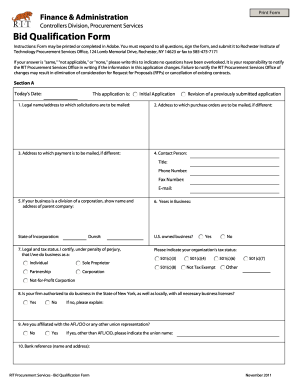
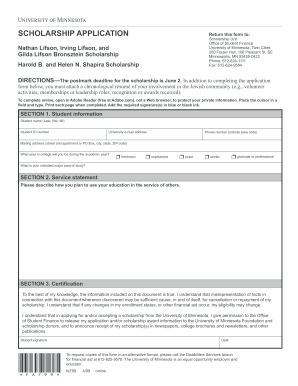
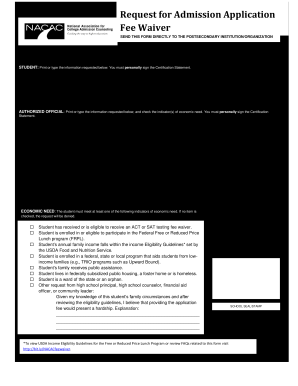

Sep 23, 2025 Frequently used federal forms (links to most recent edition). 1040 - Form, Tables, Instructions; 1040NR (Nonresident of U.S.) - Form,Read more
Dec 16, 2025 You can also get instructions and publications from the IRS for free. Download them from IRS.gov. Order by phone at 1-800-TAX-FORM (1-800-829-


