




01. Edit your sc department of revenue forms online
Type text, add images, blackout confidential details, add comments, highlights and more.

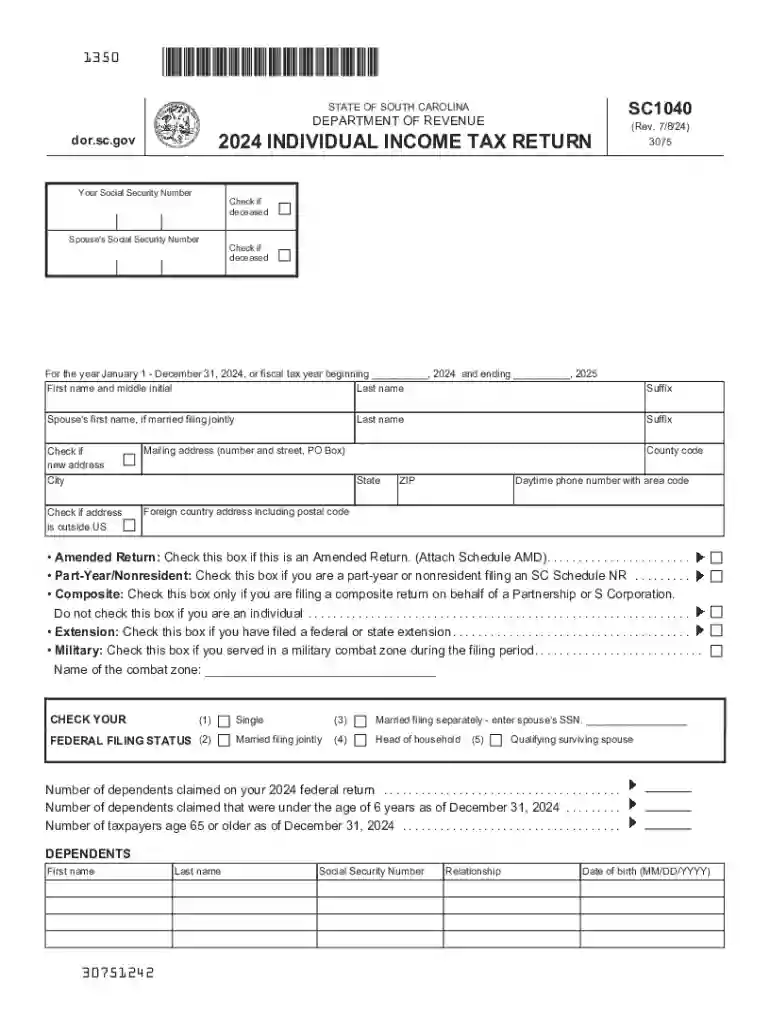
Type text, add images, blackout confidential details, add comments, highlights and more.

Draw your signature, type it, upload its image, or use your mobile device as a signature pad.

Send south carolina individual income tax via email, link, or fax. You can also download it, export it or print it out.
The SC form serves as the 2024 Individual Income Tax Return for the State of South Carolina. This document is used by residents to report their annual income, deductions, tax credits, and any payments made throughout the year. The form is critical for ensuring that taxpayers meet their state income tax obligations. By accurately completing the SC, individuals disclose their financial information to determine any taxes owed or refunds due. It incorporates various sections and schedules for comprehensive financial reporting.
Taxpayers must begin by indicating their filing status, which could be single, married filing jointly, or head of household, among others. This section also requires the inclusion of personal information such as name, Social Security number, and address. Providing accurate details here is essential for ensuring proper processing and correspondence from the tax authorities.
The form requires a detailed account of all types of income earned during the year. This includes wages, self-employment earnings, rental income, dividends, and any other forms of compensation. Documenting all income sources accurately is crucial to avoid penalties or audits. Additionally, specific line items may need supplemental forms or schedules for detailed reporting.
Taxpayers have the option to itemize deductions or take the standard deduction, depending on which option provides the greater tax benefit. Common itemized deductions include mortgage interest, charitable contributions, and medical expenses. This section also covers tax credits such as education and child credits, which directly reduce the tax owed. These credits require eligibility verification and often need supporting documentation.
Gather Necessary Documentation:
Complete Personal and Filing Status Information:
Report All Income:
Calculate Deductions and Credits:
Calculate Tax and Determine Liability:
Review and Submit:


Self-employed taxpayers must report their business income and expenses on the SC. This usually involves additional forms, such as Schedule C for profit or loss from business activities and Schedule SE for self-employment tax calculations. Claiming business-related deductions can significantly reduce taxable income.
Retirees may need to report pension income, retirement benefits, and social security receipts. There are specific considerations for taxation on these sources, and the SC accommodates various exemptions and deductions pertinent to retirees.
South Carolina has its unique set of rules and thresholds that differ from federal tax regulations. Taxpayers should be aware of state-specific credits, such as the resident tax credit for taxes paid to another state. It's essential to consult the South Carolina Department of Revenue's guidelines to ensure compliance and optimize tax outcomes.
The SC form is available through several channels:
Online Downloads:
Paper Copies:
Tax Software:
Failure to file the SC or submitting inaccuracies can result in penalties, fines, and potential legal action. Accurate and timely submissions are crucial. The state may impose penalties for late filings, underpayments, and fraudulent claims, emphasizing the importance of diligent compliance with state tax laws.
We've got more versions of the sc department of revenue forms form. Select the right sc department of revenue forms version from the list and start editing it straight away!
| Versions | Form popularity | Fillable & printable |
|---|---|---|
| 2025 | 4.8 Satisfied (48 Votes) | |
| 2024 | 4.9 Satisfied (56 Votes) | |
| 2023 | 4.6 Satisfied (36 Votes) | |
| 2022 | 4.8 Satisfied (42 Votes) | |
| 2021 | 4.8 Satisfied (46 Votes) | |
| 2020 | 4.9 Satisfied (30 Votes) | |
| 2019 | 4.4 Satisfied (281 Votes) | |
| 2018 | 4.4 Satisfied (146 Votes) | |
| 2017 | 4.4 Satisfied (277 Votes) | |
| 2016 | 4.4 Satisfied (733 Votes) | |
| 2015 | 4 Satisfied (22 Votes) | |
| 2014 | 4.3 Satisfied (52 Votes) | |
| 2013 | 4.3 Satisfied (61 Votes) | |
| 2012 | 4.2 Satisfied (71 Votes) | |
| 2011 | 4.3 Satisfied (71 Votes) |
At DocHub, your data security is our priority. We follow HIPAA, SOC2, GDPR, and other standards, so you can work on your documents with confidence.
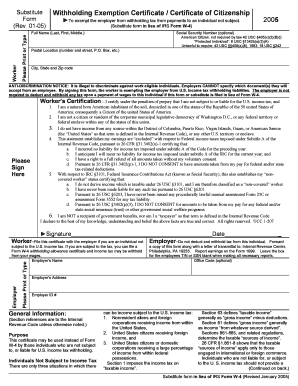



Feb 21, 2023 International students who qualify as residents should file an SC1040. Be sure to fill out your federal return before starting your SouthRead more
SC1040 Energy and the Environment 3075 Queens, Fairies and Hags: The Romance of Medieval Gender. Middle Eastern Islamic Cultures (20 credits)


