Definition and Meaning of Florida Leasehold Property
Leasehold property in Florida refers to properties where the lessee holds rights to use and occupy real estate owned by a lessor for a predetermined period. Unlike owning property outright (fee simple ownership), leasehold arrangements involve paying rent for the usage of the property, usually under a lease agreement. These properties can range from commercial spaces to residential dwellings, often seen in areas where outright property purchase is constrained by legal, financial, or space limitations. Leasehold property is subject to state regulations and often involves complexities in terms of taxation and various other legal requirements.
Key Elements of the Florida Leasehold Property
- Lease Agreement: This is a pivotal document that outlines the terms and conditions of the leasehold arrangement, including duration, rent amount, renewal options, and specific obligations of both the lessor and lessee.
- Right of Use: Leasehold property provides the lessee with the right to use the property as agreed upon in the lease. This might include stipulations about modifications, business operations, or subleasing options.
- Termination Clauses: These specify the conditions under which the lease can be terminated before its official end date, either by the lessee or the lessor. Violations of lease terms are one typical ground for termination.
- Renewal Options: Often, lease agreements allow for renewal on similar or adjusted terms after the initial lease term expires. This renewal can be automatic or require negotiation.
- Financial Obligations: Beyond the lease rent, lessees might be responsible for taxes, maintenance, and other operational costs depending on the agreement specifics.
How to Obtain a Florida Leasehold Property
- Research and Identification: Start by identifying potential properties that meet your needs through real estate listings or mediation by property agencies. Understand what you are looking for, whether it is commercial or residential.
- Due Diligence: Investigate the ownership history, any lien on the property, comparison of lease terms in the area, and compliance with local zoning laws.
- Negotiate Lease Terms: Engage with the property owner or their agent to negotiate terms. This includes rent, duration, and specific responsibilities in the lease.
- Legal Review: Before signing, have a lawyer review the lease agreement to ensure compliance with Florida laws and that your rights are protected.
- Signing the Lease: Once terms are agreed upon and the lease has been reviewed, sign and execute the lease agreement to attain the leasehold rights.
Steps to Complete the Florida Leasehold Property Lease
- Initial Negotiation: Discuss the initial terms with the property owner, addressing aspects like duration, rental fees, and specific conditions or restrictions.
- Gather Required Documents: Prepare all necessary documents such as identification, financial statements, business licenses if relevant, and any other required verifications.
- Review and Finalize Lease Agreement: Carefully review the lease documents, ensuring understanding and agreement on every term.
- Arrange Financials: Set up a method for regular payment of rent and any other financial obligations stipulated in the lease.
- Complete Signing Process: Follow through with the necessary signatories, ensuring both parties (or their representatives) have signed all copies of the lease agreement.
- Record Keeping: Store the executed lease agreement safely, ensuring it is easily accessible for any future reference or legal purposes.
Important Terms Related to Florida Leasehold Property
- Lessee: The individual or entity that leases a property from a lessor.
- Lessor: The property owner who leases out the property.
- Ground Rent: Often in leasehold agreements, ground rent refers to the rent paid for the parcel of land upon which the property sits.
- Lease Renewal: An extension or continuation of the lease terms beyond the original end date.
- Assignment: The transfer of lease rights from the lessee to another party with the permission of the lessor.
Legal Use of the Florida Leasehold Property
Leasehold property in Florida must comply with specific regulations both from the state's legal framework and the leasing agreement. Legal uses of such properties include residential living, commercial activities for business enterprises, or industrial uses, each defined within the lease terms. Violations, such as conducting prohibited activities or alterations without authorization, can result in penalties, including lease termination.
State-Specific Rules for the Florida Leasehold Property
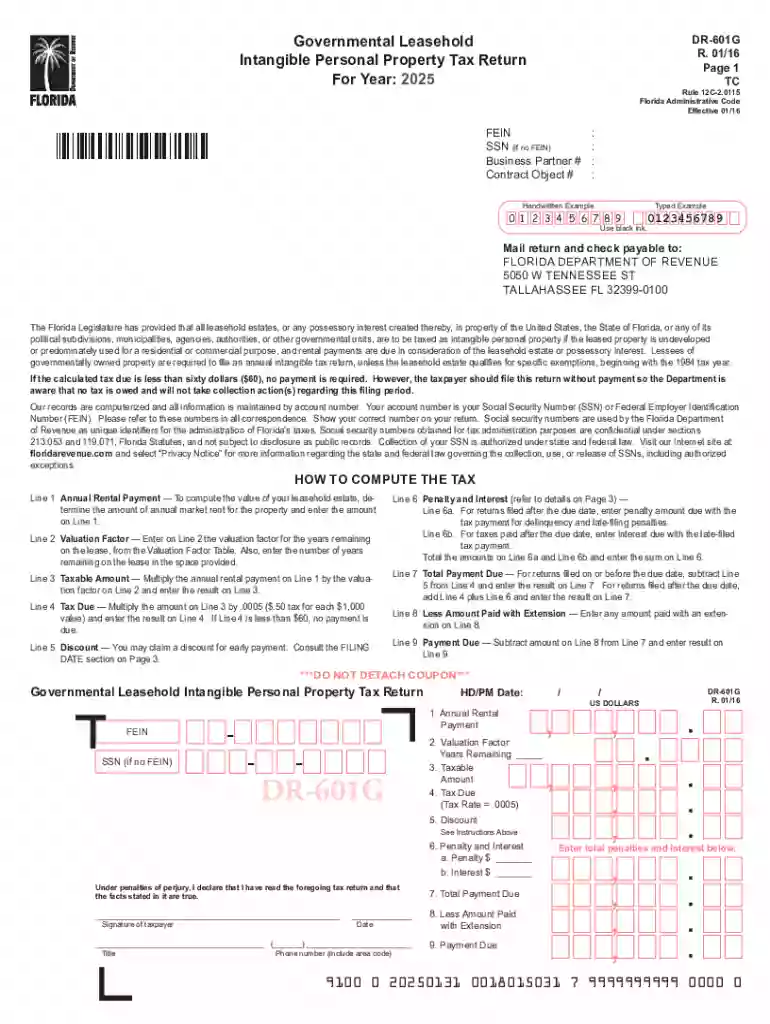
- Intangible Taxes: Florida implements intangible taxes on leasehold improvements and certain rental agreements, depending on the arrangement specifics.
- Property Tax: Although leaseholders do not own the property, depending on the lease terms, they might be responsible for paying property taxes or sharing them with the property owner.
- Tenant Rights: Florida law outlines specific rights for tenants, which include the right to habitable rental conditions and protection against unlawful evictions.
Examples of Using the Florida Leasehold Property
- Residential Use: Leasehold properties such as apartments or condos in urban areas where property ownership is limited, offering tenants long-term occupation rights with renewal options.
- Commercial Leases: Businesses renting spaces in malls or office complexes where buying property outright is not feasible, allowing them to adapt as business needs evolve.
- Mixed-Use Developments: Some leaseholds enable the combination of residential, retail, and business activities within a single leased property.
Penalties for Non-Compliance with Florida Leasehold Property Regulations
Failure to adhere to the terms of a lease agreement or comply with relevant laws in Florida may result in:
- Lease Termination: Early termination by the lessor due to breach of contract.
- Monetary Fines: Imposition of financial penalties specified in the lease for late payments or damage to the property.
- Legal Action: Initiation of legal proceedings by the lessor to recover owed rents or enforce lease provisions.
Lessee must maintain careful adherence to both state laws and the lease agreement to avoid these penalties.