




Definition & Meaning
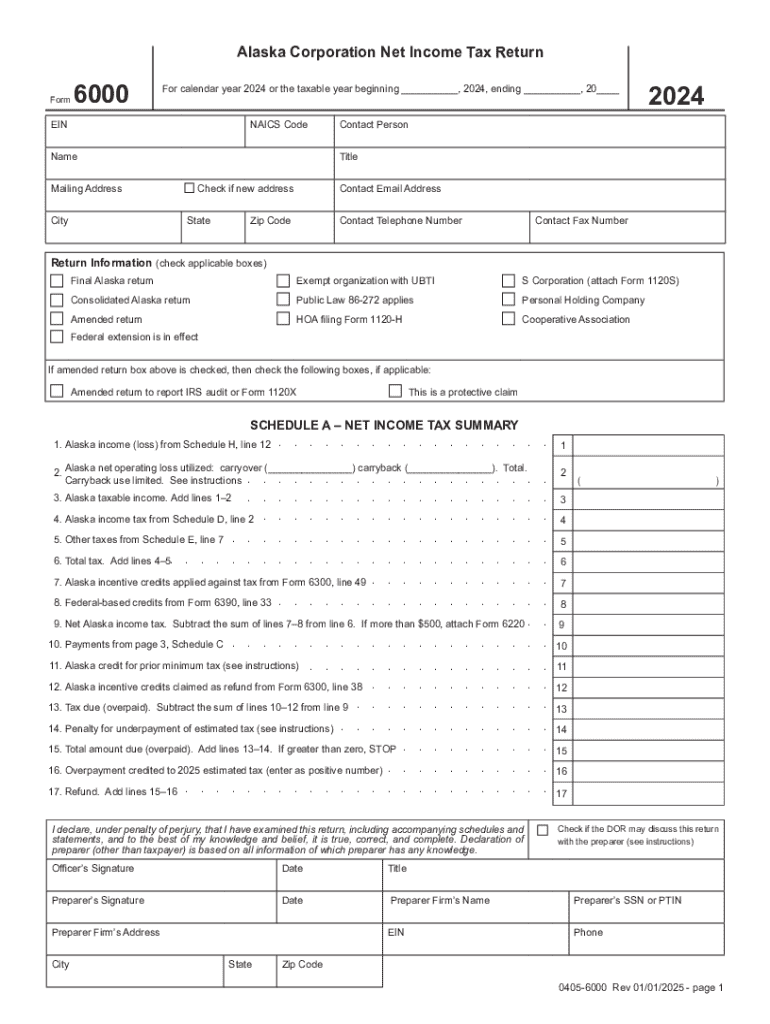
Public Law 86-272 is a significant piece of federal legislation in the United States that restricts states' ability to impose income tax on businesses. Enacted in 1959, its primary purpose is to protect out-of-state businesses from being taxed by a state if their only activity within that state is soliciting orders for sales of tangible personal property, which are approved and fulfilled from outside the state. Essentially, it limits the reach of state income tax for businesses conducting minimal activities in a jurisdiction, providing clarity for interstate commerce.
Core Provisions
- Applies only to activities before tangible personal property sales are completed.
- Protects businesses within interstate commerce against certain state tax laws.
- Enforced differently depending on specific state interpretations and regulations.
Legal Use of the Public Law 86-272 Applies
Public Law 86-272 applies is critical for businesses that operate across state lines, particularly those selling physical goods. The law ensures these entities are not unreasonably taxed by providing a legal framework that delineates what constitutes taxable presence, or "nexus", within a state. This law only covers the solicitation of orders and does not apply to services or intangible goods.
Business Activities Covered
- Solicitations of orders for sales of tangible goods.
- Completion of orders takes place out of state.
- Delivery of goods from out of state.
Limitations
- Does not apply to sales of services or digital products.
- Does not protect businesses with a physical presence such as warehouses or offices in the state.
Key Elements of the Public Law 86-272 Applies
This law includes several crucial elements that structure its application:
- Nexus Protection: Provides protection against tax if presence in the state is limited to solicitation.
- Activity Scope: Covers only the solicitation process, not activities post-sale like delivery or service.
- State Authority: States cannot impose net income tax based solely on sales solicitations.
Internal State Interpretations
- Varies across states, requiring businesses to be aware of specific state-level applications and judicial interpretations.
- Some states may challenge the scope of "solicitation" to expand their taxing power.
State-Specific Rules for the Public Law 86-272 Applies
Each state may impose different regulations and interpretations regarding the application of Public Law 86-272. Businesses must understand not only federal guidelines but also how each state enacts this law, as it can significantly affect tax liabilities and business operations.
Examples of State Variations
- California: Examines whether a business demonstrates more than "mere solicitation."
- New York: Historically aggressive in broadening the interpretation of nexus.
Who Typically Uses the Public Law 86-272 Applies
Businesses engaging in interstate commerce generally rely on Public Law 86-272, particularly manufacturers and retailers distributing tangible personal property.

Types of Beneficiary Businesses
- Manufacturing companies.
- Retailers engaged in interstate sales.
- Wholesalers without physical presence in various states they sell in.
Important Terms Related to Public Law 86-272 Applies
An understanding of related terminology can ease the navigation of this law:
- Nexus: The degree of business presence that a state can use to impose tax obligations.
- Solicitation: Activities directed towards generating orders, which do not constitute sufficient tax presence.
Implications of Key Terms
- Understanding "nexus" helps businesses determine tax obligations.
- Clarity over "solicitation" defines whether activities are taxable.
Examples of Using the Public Law 86-272 Applies
Real-world scenarios illustrate how businesses might rely on Public Law 86-272 for tax protection.
Scenario Illustrations
- A widget manufacturer in Ohio sells products to California customers solely through phone orders; protected by the law as activities in California are limited to order solicitation.
- A Texas clothing company using online orders to reach Oregon customers is safeguarded under this law, provided it ships from Texas with no Oregon-based operations.
Eligibility Criteria
Businesses seeking protection under Public Law 86-272 must meet specific criteria:
- Presence limited to order solicitation.
- Orders must be approved and shipped from outside the taxing state.

Compliance Measures
- Regular audits to ensure activities fall within the law's purview.
- Documentation of all solicitation activities and sales processes.
Penalties for Non-Compliance
Businesses that breach the stipulations of Public Law 86-272 face potential tax liabilities and penalties.
Legal Repercussions
- States may assess back taxes with interest and penalties.
- Legal challenges can incur significant costs and require a robust defense.
By understanding and leveraging the intricacies of Public Law 86-272, businesses can strategically manage their cross-state activities to minimize tax exposure while adhering to federal and state laws. Business leaders must stay informed of the constantly evolving legal interpretations to ensure compliance and optimize their operations.




