




01. Edit your form online
Type text, add images, blackout confidential details, add comments, highlights and more.

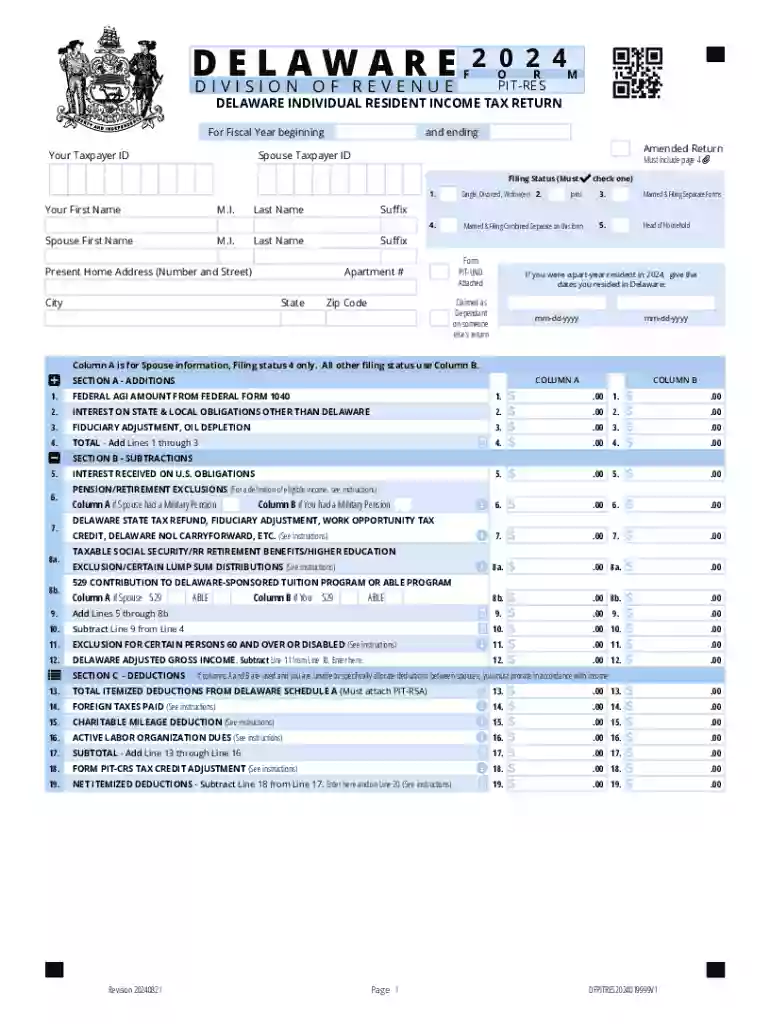
Type text, add images, blackout confidential details, add comments, highlights and more.

Draw your signature, type it, upload its image, or use your mobile device as a signature pad.

Send it via email, link, or fax. You can also download it, export it or print it out.
The PIT-RES form, a Delaware Individual Resident Income Tax Return, is utilized by residents to report income and calculate state tax liabilities or refunds. This form ensures compliance with state tax laws and is essential for accurately documenting financial data relevant to the fiscal year 2024.
The PIT-RES form complies with Delaware’s tax regulations, and completing it accurately fulfills legal obligations for reporting individual income and calculating taxes. This ensures both compliance with state tax laws and protection from potential penalties.
Delaware residents must adhere to state-specific guidelines when completing the PIT-RES. These include recognizing eligible deductions, state tax rates, and credits specific to Delaware, which may differ from regulations in other states.
Consider a scenario where a resident has multiple income streams, such as full-time employment and freelance work. The PIT-RES would require detailed reporting of both income sources and careful calculation to ensure appropriate tax filings, credits, and deductions.
Failure to file or inaccurately complete the PIT-RES form may result in penalties, including fines and interest on unpaid taxes. It's crucial to ensure accuracy and timely submission to avoid these consequences.
We've got more versions of the PIT-RES form. Select the right PIT-RES version from the list and start editing it straight away!
At DocHub, your data security is our priority. We follow HIPAA, SOC2, GDPR, and other standards, so you can work on your documents with confidence.
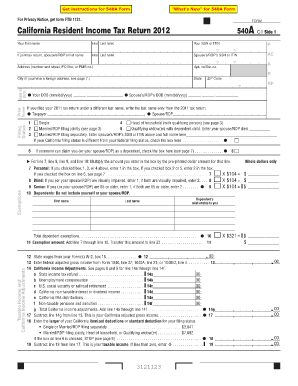
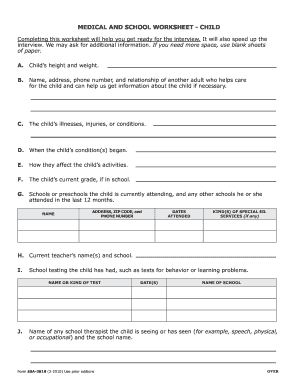
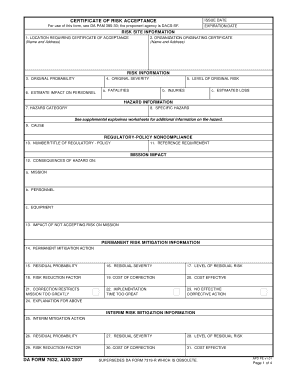



by JMS Pearce 2005 Cited by 71 It reviews Pitres rule (recovery of the most used acquired language) and Ribots law (recovery of the native language) that are important concepts duringRead more
What a time for a break! Put a spring in your step at our Res Life Pit Stop. Stop by one of our two locations (Apartment Community Center and Harbor Courtyard)
May 18, 2026 RES Shawville Coal Mine is an operating coal mine in Clearfield, Clearfield County, Pennsylvania, United States.


