
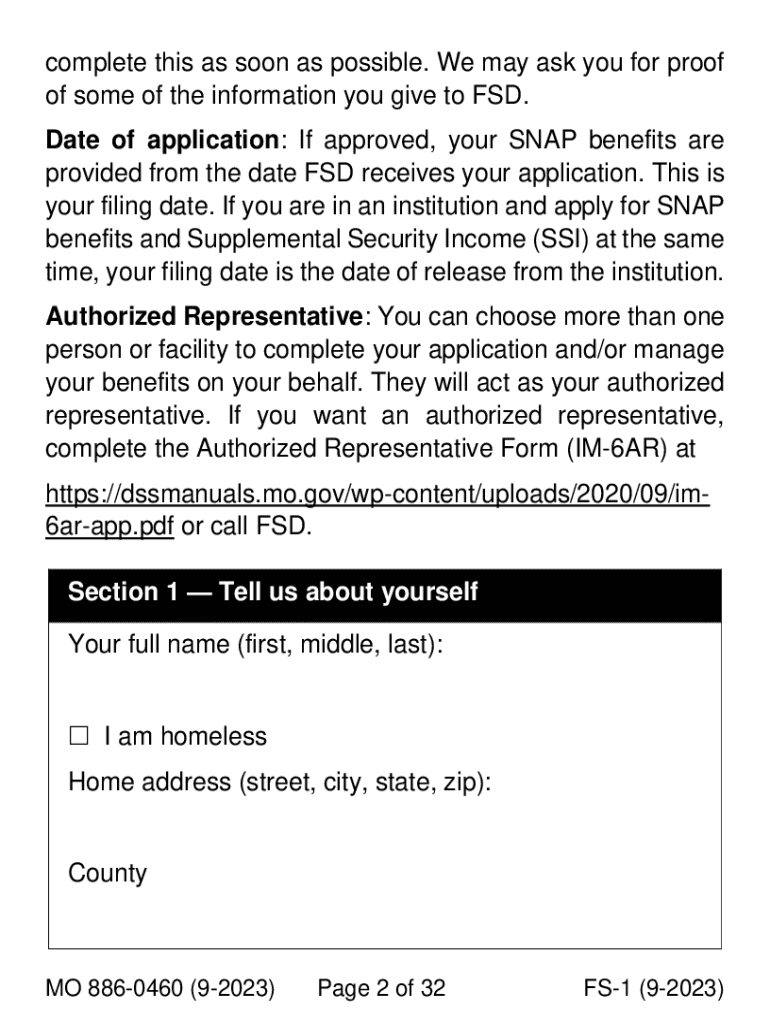







Definition and Purpose of SNAP-Application
The SNAP-application is a fundamental form utilized by individuals seeking assistance through the Supplemental Nutrition Assistance Program (SNAP). This program, administered by the United States Department of Agriculture (USDA), aims to provide nutritional aid to eligible low-income individuals and families. The SNAP-application facilitates the collection of necessary information, enabling the processing and approval of benefits.
Importance of Accuracy
Accurate information is critical when completing the SNAP-application. Errors or omissions might lead to delays or denial of benefits. Each section of the application requires precise details about the applicant's personal and financial circumstances. Applicants must ensure all provided information accurately reflects their current situation.
Key Sections of the Application
- Personal Information: Includes the applicant's name, address, and contact details.
- Household Details: Captures information about all household members, particularly those contributing to household expenses.
- Income and Resources: Requires detailed reporting of all sources of income and any assets, ensuring eligibility determination is accurate.
- Expenses: Documents necessary expenses like rent, utilities, and childcare, affecting benefit amounts.
- Declarations and Signatures: Section for applicants to declare honesty in their submissions, understanding of their obligations, and potential penalties for false information.
Steps to Complete the SNAP-Application
- Gather Necessary Information: Before starting, collect all required documents, including income statements and identification for household members.
- Complete Personal and Household Sections: Provide comprehensive information about all individuals in the household.
- Detail Income and Assets: Accurately report all income sources and calculate household resources.
- Document Expenses: List all applicable expenses, which may include utilities, rent, and medical expenses.
- Review and Sign: Carefully review each section, ensure accuracy, and sign the application where indicated.
- Submit the Application: Follow state-specific instructions for submission, choosing from options like online, mail, or in-person.
Practical Tips
- Keep original documents and submit copies where possible.
- Prepare to discuss potential discrepancies during interviews if they arise.
- Regularly update submitted information if there are changes before processing completes.
Eligibility Criteria for SNAP Benefits
The eligibility for SNAP benefits depends on various criteria, focused primarily on income, household size, and expenses. These factors determine the level of assistance provided to an applicant.


Income Thresholds
SNAP eligibility requires that household income falls below specified limits, varying by household size and state. Applicants must ensure their documented income aligns with these thresholds to qualify.
Special Considerations
- Elderly or Disabled Applicants: May have adjusted criteria for certain aspects, such as deductions from gross income.
- College Students: Can be eligible under certain conditions, like working at least 20 hours a week.
- Employment Requirements: Most non-exempt applicants must meet work requirements or be participating in a work-education program.
SNAP-Application Submission Methods
Several submission methods are available for the SNAP-application to accommodate various needs and preferences.
Online Submissions
Most states provide an online portal where applications can be submitted. This method is often the fastest, featuring built-in checks to reduce common errors.
In-Person and Mail Submissions
Applicants preferring or needing direct assistance can submit applications in person at designated offices. Mailing the application is another option, though it may result in longer processing times.
Advantages and Disadvantages
- Online: Fast processing but requires internet access.
- In-Person: Offers direct assistance but may involve travel and waiting times.
- Mail: No technology needed but longer processing timelines.
Legal Use and Compliance
The SNAP-application involves legally binding declarations regarding the information provided. Applicants must understand their legal obligations to accurately report details, remaining compliant with program rules.
Consequences of Misrepresentation
Misrepresenting information on the SNAP-application can lead to severe consequences, including benefits denial, disqualification, fines, or legal proceedings for fraud.
Compliance Tips
- Review state-specific guidance on completing the application.
- Fully understand the rights and responsibilities outlined in the application instructions.
- Engage with caseworkers to resolve questions or ambiguities promptly.
State-Specific Rules and Variations
While SNAP is federally administered, state-specific rules can affect the application process and eligibility.
Key Differences Across States
- Income Limits: Vary by cost of living and regional economic conditions.
- Asset Limits: Some states may have different interpretations of what assets affect eligibility.
- Application Processes: Differ in required documents or additional state-specific forms.
Research and Preparedness
Applicants should research state-specific information. Local SNAP offices and online resources provide guidance for understanding and effectively navigating regional requirements.
Examples of Using the SNAP-Application
Real-world scenarios highlight the application process's adaptability and impact.
Case Study: Low-Income Family
A family of four with a single income source may qualify for maximum benefits, crucial for sustained food security while they work toward financial stability.
Scenario: College Student
A part-time college student working over 20 hours weekly can utilize SNAP assistance to better manage food expenses, providing crucial support to balance academic and work commitments.
Senior Citizen Example
An elderly applicant with limited income sources might find the application process supportive as it adjusts for medical expenses, enhancing access to nutritional aid.
Supporting Documentation for SNAP-Application
Applicants must be prepared with comprehensive documentation to ensure a smooth application process.
Required Documents
- Identification: State ID or driver's license.
- Proof of Income: Payslips, tax returns, or benefit award letters.
- Proof of Expenses: Rent agreements, utility bills, and medical cost documentation.
Document Preparation Tips
- Maintain organized records for easy access and presentation.
- Submit copies unless originals are specifically needed.
- Confirm document acceptance guidelines per state requirements.
Conclusion
Accurately completing the SNAP-application requires careful preparation, understanding of eligibility criteria, and adherence to submission protocols. By following these guidelines, applicants improve their chances of obtaining essential nutrition assistance, significantly contributing to their household well-being.




