







Definition & Meaning
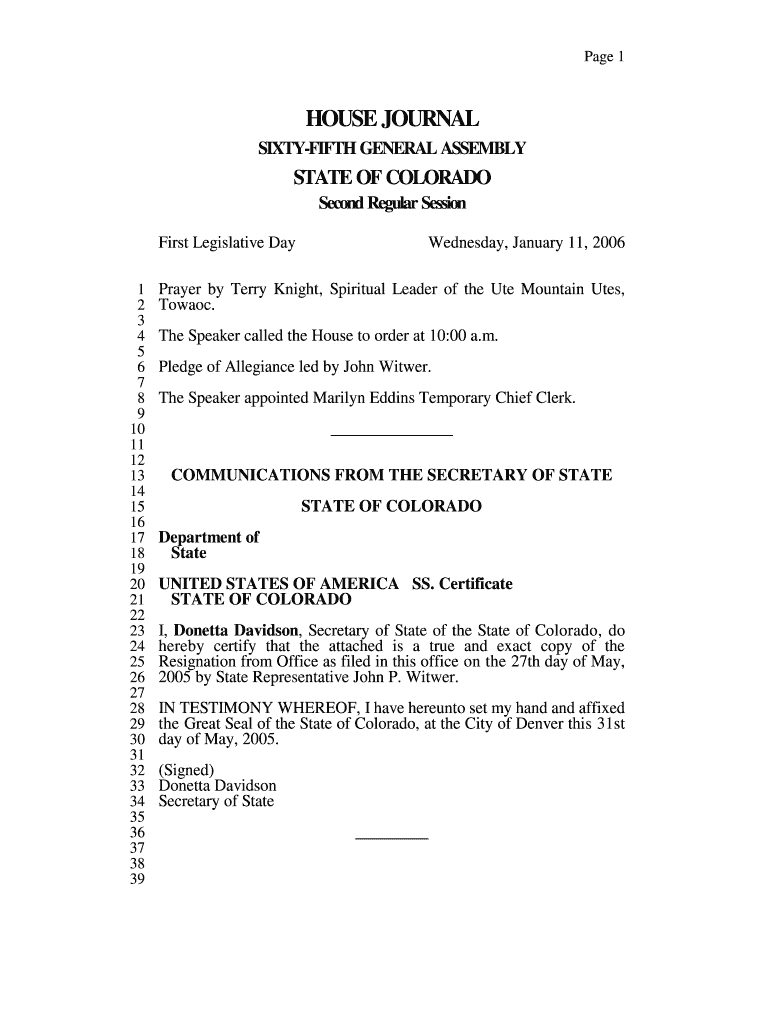
The "Prayer by Terry Knight, Spiritual Leader of the Ute Mountain Utes," is a ceremonial invocation led by Terry Knight, who is recognized as a key spiritual figure within the Ute Mountain Ute tribe. This prayer embodies cultural heritage and religious practices integral to the tribe's traditional spirituality. As a cultural expression, the prayer serves diverse purposes, including mediation, community gathering, and spiritual guidance. The practice is rooted deeply in the tribe's history and reflects their perspectives on interconnectedness and the natural world.
Key Elements of the Prayer
The prayer comprises several essential components that reflect the traditions of the Ute Mountain Ute tribe. These elements include:
- Acknowledgment of Ancestors: Paying homage to ancestors and acknowledging their wisdom in guiding current practices.
- Connection to Nature: Emphasizing the tribe's relationship with the earth and its elements, such as mountains, rivers, and skies.
- Community Unity: Strengthening community bonds by fostering a sense of shared identity and purpose.
- Spiritual Guidance: Seeking guidance and blessings from spiritual entities for individual and collective well-being.
These elements collectively nurture spiritual well-being and community cohesion, reflecting the holistic view of spirituality within the tribe.
How to Use the Prayer
The use of the "Prayer by Terry Knight" involves immersive participation in traditional ceremonies or personal meditation settings. Participants often engage in the following practices:
- Ceremonial Gatherings: During tribal ceremonies, the prayer is recited as a collective act of devotion and reflection.
- Personal Meditation: Individuals seeking spiritual guidance or connection may use the prayer in personal meditation.
- Educational Contexts: Used to teach tribe members and others about Ute Mountain Ute spiritual traditions.
Utilizing the prayer in these contexts aids in preserving cultural identity and enhancing spiritual understanding among participants.
Steps to Complete a Ceremonial Prayer
Participating in a ceremonial prayer with Terry Knight may involve the following steps:
- Preparation: Participants gather in a designated sacred space, often outside in nature.
- Opening Invocation: Terry Knight initiates the prayer, invoking ancestors and spiritual entities.
- Communal Participation: All participants may recite certain parts, reflecting communal solidarity.
- Reflection Period: Time for individual reflection and connection to personal spiritual pathways.
- Closing: The ceremony concludes with expressions of gratitude, reinforcing communal ties.
This process fosters an environment of spiritual reflection and community unity.
Importance of the Prayer
The significance of the prayer lies in its role as a living expression of the Ute Mountain Ute's cultural and spiritual identity. It serves to:
- Promote Cultural Preservation: Ensures continuity of tribal traditions over generations.
- Foster Community: Builds collective strength through shared spirituality.
- Individual Spiritual Growth: Offers pathways for personal reflection and spiritual growth.
These aspects make the prayer an enduring element of cultural and spiritual life.
Who Typically Uses the Prayer
The prayer is primarily engaged by members of the Ute Mountain Ute tribe and others interested in understanding or participating in their spiritual practices. This includes:
- Tribe Members: For maintaining cultural identity and participating in spiritual practices.
- Cultural Scholars: Researchers studying indigenous spiritual traditions.
- Visitors to the Tribe: Individuals seeking to understand and respectfully engage with the tribe's cultural expressions.
Participation must be approached with respect and recognition of its cultural significance.


Legal Use of the Prayer
Understanding the legal framework concerning the prayer recognition is essential:
- Cultural Rights: Protected under laws that preserve freedom of religious expression for indigenous peoples in the U.S.
- Intellectual Property: Certain elements of the prayer may be protected as cultural heritage, ensuring respect for its integrity.
- Non-Commercial Use: The prayer should not be exploited commercially without tribe consent, in line with ethical and legal standards.
These protections ensure the prayer remains a respectful and authentic representation of Ute Mountain Ute spiritual traditions.
Variations and Examples
The prayer may vary in structure and content depending on the context and purpose. Examples include:
- Seasonal Ceremonies: Specific elements may be emphasized to align with seasonal changes or agricultural cycles.
- Personal Prayers: Adapted for individual spiritual reflection or family gatherings.
- Educational Workshops: Customized to educate wider audiences about its cultural significance.
These variations highlight the prayer's adaptability and enduring relevance across different settings.
Important Terms Related to the Prayer
Understanding specific terms associated with the prayer enhances comprehension:
- Invocation: The act of calling upon spiritual entities for assistance or guidance.
- Ceremonial Framework: The structured approach guiding the prayer's conduct within spiritual gatherings.
- Spiritual Entities: Figures or forces believed to influence or guide the tribe's spiritual practices.
Familiarity with these terms contributes to deeper engagement with the prayer and its cultural context.




