




01. Edit your m 2 file online
Type text, add images, blackout confidential details, add comments, highlights and more.

Type text, add images, blackout confidential details, add comments, highlights and more.

Draw your signature, type it, upload its image, or use your mobile device as a signature pad.

Send form m 1 via email, link, or fax. You can also download it, export it or print it out.
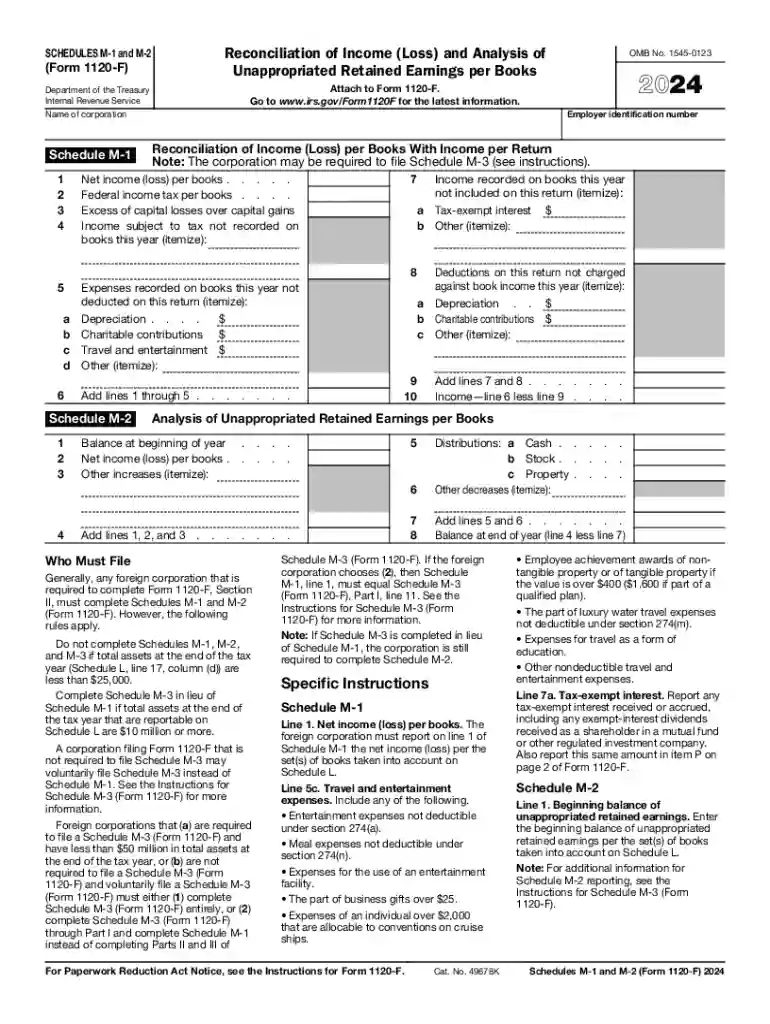
IRS Schedule M-1 and M-2 are supplementary schedules attached to the 1120-F form, which is used by foreign corporations to report their income and taxes to the U.S. government. Schedule M-1 is designed to reconcile the income or loss reported on the corporation's financial books with the taxable income or loss reported on its tax return. Schedule M-2 provides an analysis of unappropriated retained earnings per books, offering insight into the corporation’s financial health and retained earnings status.
Completing these schedules accurately is essential for compliance and to avoid tax liabilities. Understanding how to use each schedule ensures a comprehensive and precise reporting process.
Filing these schedules requires meticulous attention to detail and comprehensive understanding of both financial and tax accounting principles.
Familiarity with key terms ensures clarity and precision while completing the schedules.
These schedules are primarily used by foreign corporations engaged in business activities within the United States. They play a critical role in the tax compliance process.


A breakdown of critical components ensures that all necessary information is captured correctly.
Adhering to IRS deadlines is crucial to avoid penalties.
Failure to accurately complete and file these schedules can result in adverse compliance results.
Ensuring accurate completion and timely submission of IRS Schedule M-1 and M-2 is essential for foreign corporations operating in the U.S. These schedules provide vital reconciliations and analyses that support proper tax and financial reporting.
We've got more versions of the m 2 file form. Select the right m 2 file version from the list and start editing it straight away!
| Versions | Form popularity | Fillable & printable |
|---|---|---|
| 2025 | 4.9 Satisfied (55 Votes) | |
| 2024 | 4.7 Satisfied (23 Votes) | |
| 2023 | 4.7 Satisfied (59 Votes) | |
| 2022 | 4.6 Satisfied (39 Votes) | |
| 2021 | 4.8 Satisfied (120 Votes) | |
| 2020 | 4.3 Satisfied (107 Votes) | |
| 2019 | 4.2 Satisfied (101 Votes) | |
| 2018 | 4.4 Satisfied (61 Votes) | |
| 2017 | 4.4 Satisfied (129 Votes) | |
| 2016 | 4.2 Satisfied (95 Votes) | |
| 2015 | 4.4 Satisfied (71 Votes) | |
| 2014 | 4 Satisfied (49 Votes) | |
| 2013 | 4 Satisfied (54 Votes) | |
| 2012 | 4 Satisfied (30 Votes) | |
| 2011 | 4 Satisfied (23 Votes) |
At DocHub, your data security is our priority. We follow HIPAA, SOC2, GDPR, and other standards, so you can work on your documents with confidence.

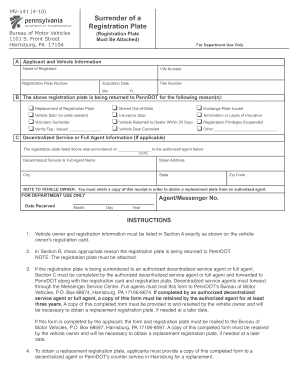

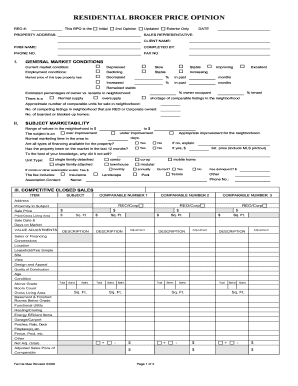

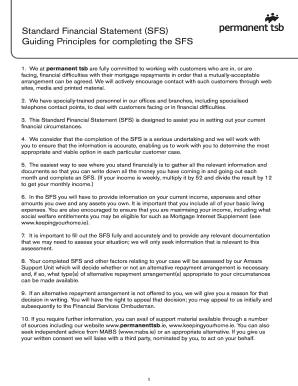
Form 1120-F (1997) Schedule M-2 Schedule M-1. The corporation is not required to complete Schedules M-1 and M-2 below if the total assets on Schedule L, line
The foreign corporation must report on line 1 of Schedule M-1 the net income. (loss) per the set(s) of books taken into account on Schedule L. Line 5c. TravelRead more


