




01. Edit your form 943 online
Type text, add images, blackout confidential details, add comments, highlights and more.

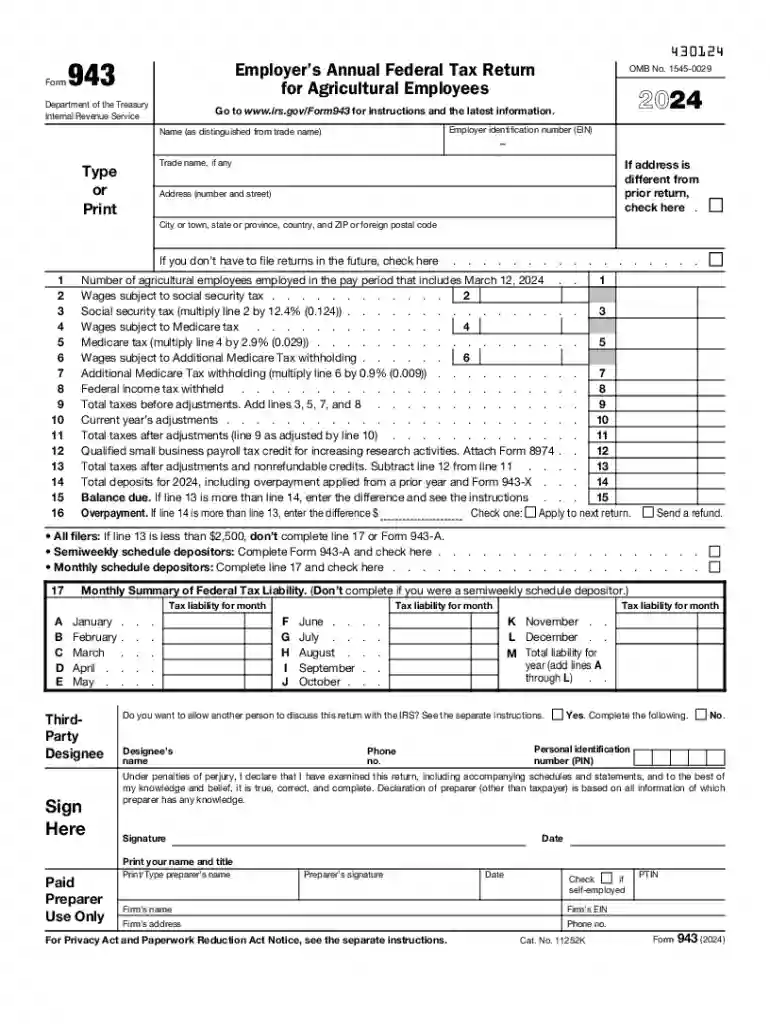
Type text, add images, blackout confidential details, add comments, highlights and more.

Draw your signature, type it, upload its image, or use your mobile device as a signature pad.

Send 943 form via email, link, or fax. You can also download it, export it or print it out.
Form 943-A, Agricultural Employer’s Record of Federal Tax Liability, serves as an essential tool for agricultural employers, specifically targeting the federal tax reporting requirements associated with their labor force. Predominantly used in conjunction with Form 943, this document ensures that employers accurately track and report their federal tax liabilities linked to agricultural employees. This form helps in maintaining compliance with IRS regulations by detailing tax obligations precisely, making it easier for employers to manage and meet their tax responsibilities.
Form 943-A can be acquired through various channels to accommodate the needs of different users, whether online or through physical mail. The IRS website provides direct access to download the form in a convenient PDF format, allowing for easy printing and digital use. Alternatively, agricultural employers can request the form from the IRS through the mail. Many tax preparation software programs, such as TurboTax and QuickBooks, also offer integrated solutions to access and fill out this form.
Completing Form 943-A requires attention to detail to ensure accurate recording of tax liabilities. Below is a step-by-step guide for filling out the form:
Utilizing Form 943-A proves vital for agricultural employers to ensure they meet IRS filing requirements accurately and on time. This comprehensive record assists in avoiding errors that could lead to potential penalties or interest for incorrect tax liability reporting. Furthermore, by providing a clear and detailed breakdown of payroll liabilities, employers can maintain financial control and transparency over their tax responsibilities.
Form 943-A is primarily used by agricultural business owners and operators who employ individuals for farming activities. These individuals include, but are not limited to:
Understanding the primary components of Form 943-A is crucial for ensuring comprehensive and accurate completion. Key elements include:
Failing to properly complete and submit Form 943-A may result in significant penalties from the IRS. These could include fines or interest charges for underreporting tax liabilities. Additionally, mistakes or omissions on the form leading to discrepancies in reported figures might further complicate employers’ tax situations, potentially triggering audits or legal consequences. Therefore, it is crucial to ensure precise form completion and thorough understanding of its requirements.
Agricultural employers must adhere to specific deadlines when filing Form 943-A in conjunction with Form 943. Generally, Form 943 and its associated records, including Form 943-A, are due by January 31st following the calendar year in which wages were paid. It is advisable for employers to mark these deadlines and start preparing well in advance to avoid last-minute rushes and ensure compliance with IRS regulations.
We've got more versions of the form 943 form. Select the right form 943 version from the list and start editing it straight away!
| Versions | Form popularity | Fillable & printable |
|---|---|---|
| 2025 | 4.9 Satisfied (33 Votes) | |
| 2024 | 4.4 Satisfied (22 Votes) | |
| 2023 | 4.2 Satisfied (46 Votes) | |
| 2022 | 4.9 Satisfied (44 Votes) | |
| 2021 | 4.9 Satisfied (45 Votes) | |
| 2020 | 4.2 Satisfied (66 Votes) | |
| 2019 | 4.3 Satisfied (109 Votes) | |
| 2018 | 4.4 Satisfied (140 Votes) | |
| 2017 | 4.3 Satisfied (146 Votes) | |
| 2016 | 4.4 Satisfied (310 Votes) | |
| 2015 | 4.3 Satisfied (52 Votes) | |
| 2014 | 4 Satisfied (46 Votes) | |
| 2013 | 4.3 Satisfied (29 Votes) | |
| 2012 | 4.4 Satisfied (33 Votes) | |
| 2011 | 4 Satisfied (48 Votes) |
At DocHub, your data security is our priority. We follow HIPAA, SOC2, GDPR, and other standards, so you can work on your documents with confidence.

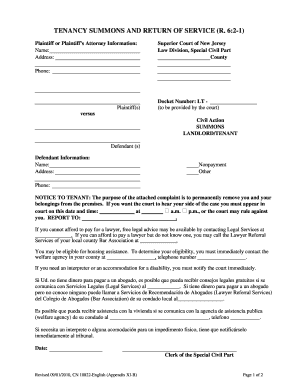
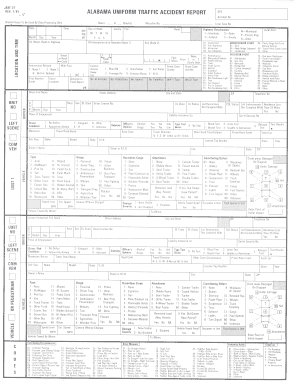

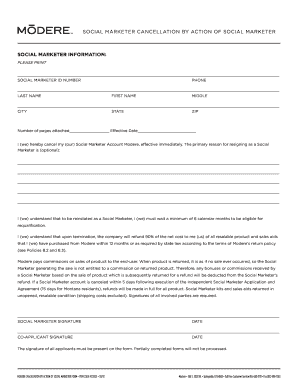

Cited by 4 Purpose of Form.Use Form 943 to report income tax withheld and employer and employee social security and Medicare taxes on farmworkers.
Use Form 943-A to report your tax liability if youre a semiweekly schedule depositor. you, as an employer, to withhold certain taxes from your employees pay.


