



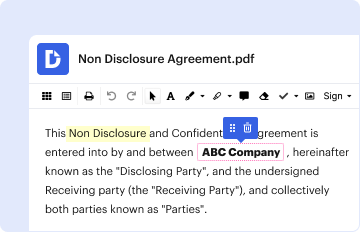
01. Edit your schedule k 1 form 1041 online
Type text, add images, blackout confidential details, add comments, highlights and more.

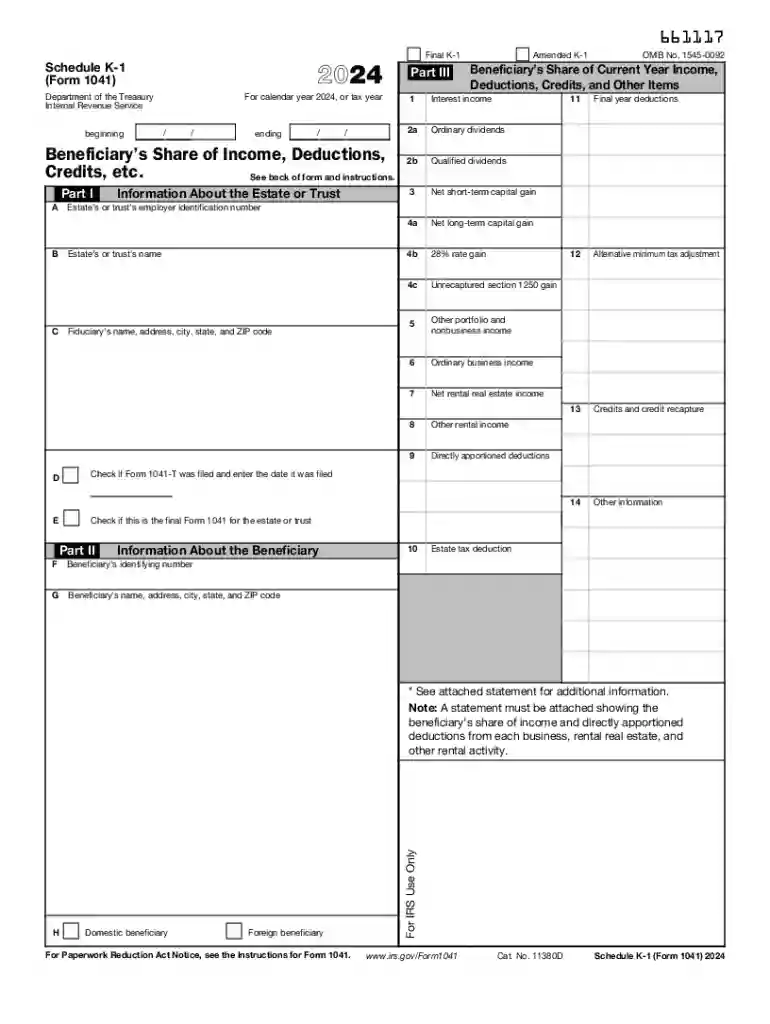
Type text, add images, blackout confidential details, add comments, highlights and more.
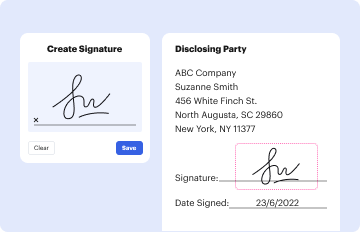
Draw your signature, type it, upload its image, or use your mobile device as a signature pad.

Send irs form k 1 via email, link, or fax. You can also download it, export it or print it out.
IRS Form 1041 Schedule K-1 is used to report a beneficiary's share of income, deductions, credits, and other financial details from an estate or trust. It is a critical document for individuals and tax professionals, ensuring accurate reflection of financial activities for beneficiaries who have interests in estates or trusts. This schedule is essential for maintaining transparency and compliance with IRS regulations.
The form includes several important sections designed to capture various aspects of a beneficiary's share of income:
This comprehensive layout allows beneficiaries to easily understand the components they need to report on their personal tax returns.
Beneficiaries receive this form directly from the fiduciary of the estate or trust. It is typically issued after the trust or estate has completed its tax return and calculations for the respective tax year. Given its significance, fiduciaries should ensure timely distribution to beneficiaries, who then have ample time to incorporate the details into their individual tax filings.
Attention to detail is crucial to avoid errors and ensure compliance.
This form is commonly used by beneficiaries of estates or trusts. These can include:
These stakeholders rely on the form for accurate reporting and compliance with tax obligations.
Knowing these dates helps prevent late submissions and potential penalties.
The IRS offers comprehensive guidelines to assist both fiduciaries and beneficiaries in handling Schedule K-1:
These guidelines are essential for correctly meeting tax obligations related to estate and trust income.
Failing to properly complete or submit IRS Form 1041 Schedule K-1 can result in:
Ensuring compliance helps avoid these potential issues, promoting smooth tax operations for all parties involved.
In the age of digital transformation, beneficiaries and fiduciaries benefit from the choice between digital and paper formats:
Choosing the right format depends on individual preferences and capabilities, all while maintaining compliance with IRS standards.
We've got more versions of the schedule k 1 form 1041 form. Select the right schedule k 1 form 1041 version from the list and start editing it straight away!
| Versions | Form popularity | Fillable & printable |
|---|---|---|
| 2025 | 4.3 Satisfied (60 Votes) | |
| 2024 | 4.1 Satisfied (42 Votes) | |
| 2023 | 4.4 Satisfied (39 Votes) | |
| 2022 | 4.1 Satisfied (56 Votes) | |
| 2021 | 4.8 Satisfied (155 Votes) | |
| 2020 | 4.3 Satisfied (199 Votes) | |
| 2019 | 4.4 Satisfied (231 Votes) | |
| 2018 | 4.2 Satisfied (45 Votes) | |
| 2017 | 4.2 Satisfied (84 Votes) | |
| 2016 | 4.3 Satisfied (48 Votes) | |
| 2015 | 4 Satisfied (32 Votes) | |
| 2014 | 4.2 Satisfied (52 Votes) | |
| 2013 | 4 Satisfied (22 Votes) | |
| 2012 | 3.8 Satisfied (34 Votes) | |
| 2011 | 4 Satisfied (37 Votes) |
At DocHub, your data security is our priority. We follow HIPAA, SOC2, GDPR, and other standards, so you can work on your documents with confidence.
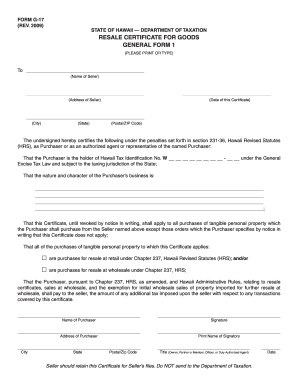




The fiduciary of a trust or decedents estate uses Schedule K-1 to report your share of the trusts or estates income, credits, deductions, etc.
This list identifies the codes used on Schedule K-1 for beneficiaries and provides summarized reporting information for beneficiaries who file Form 1040 orRead more


