







Definition and Significance
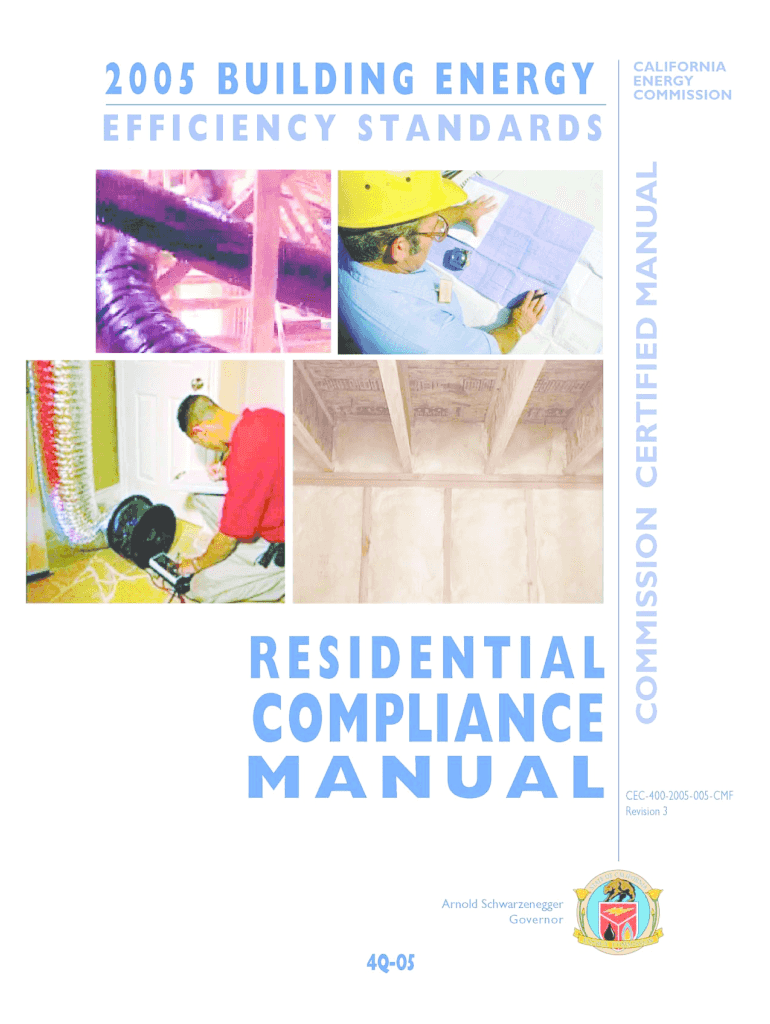
The "Page viii - Table of Contents - California Energy Commission - energy ca" relates to a specific section of a document by the California Energy Commission. This section typically acts as a roadmap for navigating the comprehensive manual. It outlines the structure of the document, highlighting major chapters and subsections that address energy policies, standards, and compliance requirements for residential buildings in California. Understanding this table of contents is crucial for anyone involved in the design, construction, or maintenance of residential buildings to comply with the state's energy efficiency regulations.
How to Use the Table of Contents
Using the table of contents in this document allows users to quickly locate the sections pertinent to their needs. This includes finding chapters on:
- Energy efficiency standards for HVAC systems and water heating.
- Mandatory measures for building envelopes.
- Prescriptive and performance compliance paths.
Navigating through the table of contents ensures that users efficiently access detailed guidelines for specific compliance strategies or regulatory frameworks, aiding in adherence to California's energy mandates.
Steps to Complete Energy Compliance
Completing energy compliance as detailed in the California Energy Commission manual involves several steps:
- Identify Applicable Standards: Determine which energy efficiency standards apply to your project, based on building type and location.
- Review Compliance Options: Understand both prescriptive packages and performance approaches available for your project.
- Conduct Diagnostic Testing: Implement necessary diagnostic verification, often involving certified HERS raters.
- Gather Documentation: Compile all required documentation, including verification forms and compliance certificates.
- Submit for Approval: Submit the completed compliance package to the appropriate local authority.
Each step ensures the project meets designated energy efficiency criteria, which is critical for legal compliance and optimal energy performance.
Key Components of the Document
The document contains several critical components that provide a comprehensive overview of California's energy regulations:
- Energy Efficiency Standards: Detailed criteria for heating, cooling, and water systems.
- Building Envelope Requirements: Mandates for insulation, fenestration, and air leakage controls.
- Verification and Testing Processes: Includes guidelines for verification testing and diagnostic evaluations by certified individuals.
These elements are pivotal for anyone involved in construction or renovation projects within California to ensure all practices align with the state's energy efficiency mandates.
Legal Use and Compliance
Compliance with the standards outlined in the manual is not optional; it is legally mandated by the state of California. The manual provides:
- Guidelines for Retrofitting Existing Structures: Ensures all modifications also adhere to current standards.
- Approval Processes: Legal routes to obtain necessary certifications and approvals from local authorities.
- Penalties for Non-Compliance: Details on possible fines or legal repercussions for failing to meet energy standards.
Understanding these legal requirements helps avoid non-compliance issues and ensures projects are legally sound.
Important Terminology
Familiarity with key terms in the manual is essential for understanding and compliance:
- Prescriptive Approach: Following pre-set criteria to achieve compliance.
- Performance Approach: Using software-based assessments to demonstrate compliance.
- HERS Rater: A certified individual who verifies energy efficiency through testing.
These terms and others within the manual are critical for correctly interpreting the document’s requirements and successfully implementing its guidelines.
State-Specific Energy Regulations
California's energy efficiency regulations are specific to the state, reflecting its unique climatic and legislative landscape. Key points include:
- Adaption to Local Climate Zones: Specific criteria tailored to various climate zones within California.
- Innovation-Friendly: Encouragement for the adoption of cutting-edge technology to maximize energy efficiency.
- Strict Compliance Enforcement: Rigorous enforcement policies to ensure adherence to specified standards.
These state-specific elements underscore California's leadership in energy efficiency and sustainability initiatives.
Examples of Use Cases
The table of contents and related document sections provide real-world applications such as:
- New Residential Construction: Navigating compliance during the design and build stages.
- Home Renovations: Ensuring updated parts of a home meet the latest efficiency standards.
- Energy Audits: Conducting in-depth assessments to identify areas for improvement based on current standards.
Each use case emphasizes the document’s utility for stakeholders aiming to ensure energy compliance in residential projects.
Filing Deadlines and Important Dates
Adhering to the prescribed filing deadlines for energy compliance is crucial to avoid penalties. The document specifies:
- Annual Reporting Deadlines: Scheduled dates for submitting compliance documentation.
- Regulation Update Cycles: Expected intervals for updates to standards and practices.
- Certification Renewal Dates: Timelines for renewing necessary certifications and verifications.
By keeping track of these dates, stakeholders remain compliant and in good standing with regulatory authorities.
Alternative Versions and Updates
The California Energy Commission regularly updates its manuals to reflect technological and regulatory changes. Key considerations include:
- Revisions to Standards: Ensure you access the latest version of the document to capture recent changes.
- Supplementary Materials: Additional guides or appendices that offer more detailed guidance on specific issues.
- Editorial Updates: Routine edits to clarify existing guidelines or improve document navigation.
Staying informed about these updates is essential for maintaining compliance and leveraging new efficiencies.




