
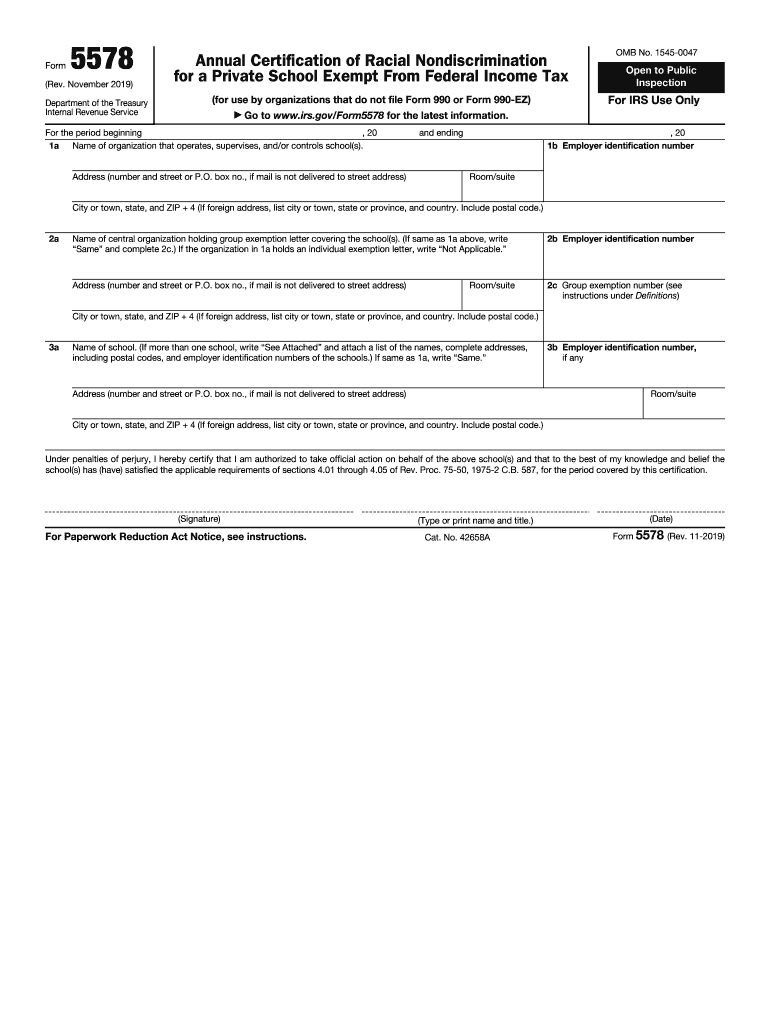







Definition and Meaning of a Tax Exempt Form
A tax exempt form is an official document used to certify that an individual or organization is exempt from paying certain taxes. Typically issued by the IRS or state tax authorities, this form serves as proof of tax exemption status. Organizations like charities, religious entities, and educational institutions often utilize tax exempt forms to confirm their legally mandated exemption from taxes such as sales tax or property tax. Understanding the nuances and types of exemptions available can help entities manage their finances more effectively.
How to Use the Tax Exempt Form
Tax exempt forms are used to verify an organization's exemption status when making purchases or applying for tax relief. For instance, a nonprofit organization might present this form to suppliers or service providers to avoid paying sales tax on purchases necessary for their operations. Companies and vendors may request to see a copy of the form before granting tax-exempt status on transactions, making it crucial to maintain updated and readily available documentation. Entities must ensure their tax exempt number and status are correctly applied to avoid potential penalties or fraudulent charges.
Steps to Complete the Tax Exempt Form
- Identify the Applicable Form: Determine the specific tax exempt form needed based on the entity's type and geographical location.
- Gather Required Information: Collect essential details such as the organization’s name, address, and Employer Identification Number (EIN).
- Fill in the Form: Carefully complete the form, ensuring that all sections are accurate and reflect the entity's current status.
- Submit Supporting Documentation: Include any necessary documentation, such as proof of nonprofit status or incorporation papers.
- Review and Proofread: Double-check the form for any errors or omissions that could delay processing.
- Submit the Form: Follow the specific submission guidelines outlined by the issuing body, whether it involves mailing the form, submitting it online, or delivering it in person.
Legal Use of the Tax Exempt Form
The use of a tax exempt form is subject to various legal requirements and restrictions. Only eligible entities should use these forms to avoid accusations of tax evasion or fraud. Misuse of the form can result in fines, penalties, or loss of tax-exempt status. Understanding the legal framework around such forms helps ensure compliance with relevant tax laws and mitigates legal risks. Entities must track any changes in tax laws that could impact their exemption status or the legitimacy of their form usage.
Who Typically Uses a Tax Exempt Form
Tax exempt forms are typically used by nonprofit organizations, educational institutions, religious organizations, and certain government entities that are legally recognized as exempt from paying specific taxes. For-profit entities may also use these forms if they qualify for certain tax reliefs under specific circumstances set by tax authorities. Understanding how and when to use these forms can help organizations save on tax expenses associated with their operations and maximize their financial resources.
Key Elements of a Tax Exempt Form
Key elements typically found in a tax exempt form include the organization’s name, address, and EIN, as well as information on the type of exemption being claimed. Additional fields might require the applicant to specify the scope and duration of the exemption, in accordance with applicable laws. Accurate completion and presentation of these elements ensure the form's validity and acceptance by vendors or tax authorities. These components work together to establish and verify tax exemption status for both practical transactions and compliance purposes.
Important Terms Related to Tax Exempt Forms
- Tax Exempt Number: A unique identifier assigned to entities that have tax-exempt status.
- Nonprofit Organization: An entity organized for purposes other than generating profit, often eligible for tax exemptions.
- Exemption Certificate: Official proof that an entity is exempt from paying certain taxes.
- Sales Tax Exemption: A waiver allowing qualified entities to not pay sales tax on goods or services.
- Charitable Organization: A type of nonprofit that qualifies for special tax exemptions due to its community-oriented mission.
IRS Guidelines on Tax Exempt Forms
The IRS provides specific guidelines on who qualifies for tax exemptions and how to maintain compliance. These guidelines outline the criteria an organization must meet to attain and retain tax-exempt status, including financial transparency and adherence to activities aligned with nonprofit goals. Comprehensive knowledge of these IRS guidelines ensures that organizations correctly file tax exempt forms and avoid penalties. Regular consultation of IRS publications related to exempt organizations is recommended for staying updated on any changes in tax law or filing procedures.
Filing Deadlines and Important Dates
Tax exempt forms often have specific filing deadlines and renewal periods that must be adhered to in order to maintain the exemption status. These deadlines can vary based on the entity type and jurisdiction. Missing these critical dates can result in fines or the revocation of the tax-exempt status. Organizations should maintain a calendar of important dates to ensure timely submissions. Automation tools available through services like DocHub can assist in tracking and prompting key deadlines to help organizations remain in compliance.




