




01. Edit your form online
Type text, add images, blackout confidential details, add comments, highlights and more.

Type text, add images, blackout confidential details, add comments, highlights and more.

Draw your signature, type it, upload its image, or use your mobile device as a signature pad.

Send it via email, link, or fax. You can also download it, export it or print it out.
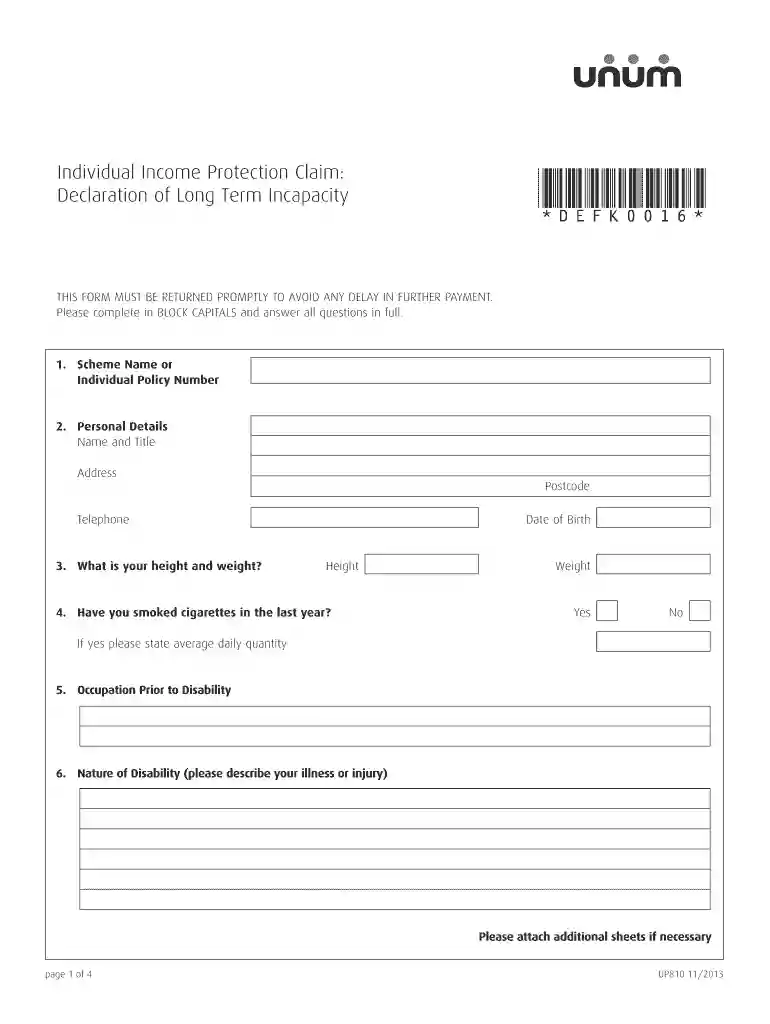
The Individual Income Protection Claim Declaration of Long is a critical document designed to ensure individuals availing of long-term income protection have a structured method to declare their incapacitation due to a disability. This form is instrumental for those seeking financial relief by claiming insurance benefits intended to compensate for lost income resulting from an inability to work. The declaration ensures that the claimant's personal, medical, and treatment details are accurately captured, facilitating the insurance company's assessment of eligibility for benefits. By meticulously detailing the claimant's condition, the form aims to provide a transparent overview of how the individual's disability impacts their daily activities and work capacity.
To use the Individual Income Protection Claim Declaration effectively, follow these steps:
Gather Necessary Documents: Before starting, ensure you have all required documents such as medical records, employment documentation, and identification. This preparation will save time and streamline the process.
Read Instructions Carefully: Carefully read all instructions provided with the form. Understanding the requirements and what each section asks for is crucial to avoid errors.
Fill Out Personal Information: Begin by inputting your personal details, including name, address, and contact information. Accuracy in this section is vital for proper identification and communication.
Detail Medical History and Current Treatment: Provide a comprehensive overview of the medical condition, including diagnosis, treatment history, and current therapies. Be precise, as this information is pivotal for the claim assessment.
Elaborate on Daily Activity Impacts: Describe how the disability affects daily living and work capabilities. This section should paint a clear picture of the limitations and challenges faced due to the health condition.
Double-Check for Completeness and Accuracy: Review the completed form for errors or omissions. Inaccurate information can lead to delays or denial of the claim.
Submit the Form: Follow the outlined submission process, whether online, via mail, or in-person, as specified by your insurance provider. Keep a copy of the submitted form for your records.
Completing the Individual Income Protection Claim Declaration of Long involves several key steps to ensure thoroughness and accuracy:
Section I: Claimant's Details:
Section II: Medical Information:
Section III: Impact on Daily Life:
Section IV: Employment and Income:
Section V: Declaration and Signature:
Submission:
Eligibility for completing the Individual Income Protection Claim Declaration of Long depends on several factors:


Several key elements are fundamental to the effectiveness of the Individual Income Protection Claim Declaration:
Submitting the Individual Income Protection Claim requires precise documentation to substantiate claims:
The form accommodates multiple submission methods to ensure accessibility:
The legal use of this form is primarily to validate claims under income protection insurance policies. By completing the declaration, claimants legally attest to the honesty and accuracy of the information provided, enabling insurers to assess the legitimacy of claims under the terms of the policy. Misrepresentation or falsification of information exposes the claimant to legal repercussions under fraud prevention laws, emphasizing the importance of truthful and complete declarations.
At DocHub, your data security is our priority. We follow HIPAA, SOC2, GDPR, and other standards, so you can work on your documents with confidence.

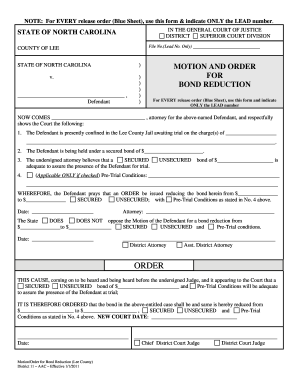

This form should be used for the following types of claims only: your physician(s) to attach copies of medical records and test results.
Individual disability income protection coverage provides for periodic payments, weekly or monthly,
Nov 1, 2023 Review the comprehensive terms and conditions governing Adyens payment processing and related services updated November 2023.


