
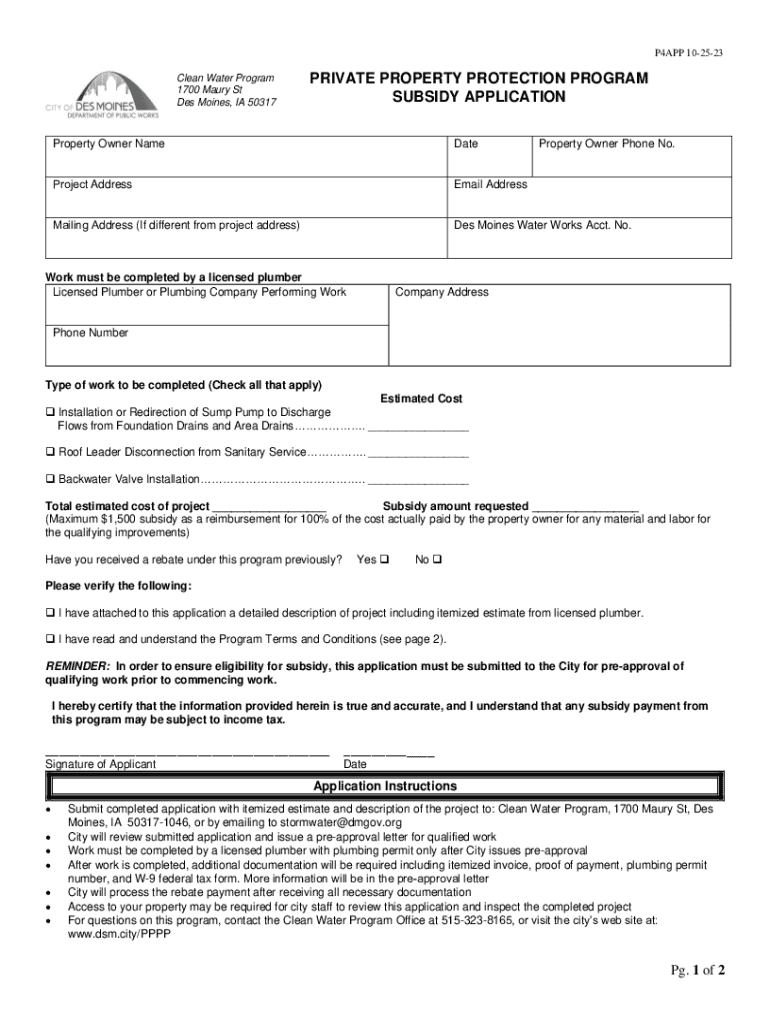







Definition and Meaning of Free Stormwater Site Evaluation
A Free Stormwater Site Evaluation is an assessment process in which experienced professionals evaluate a property to determine its stormwater management needs. This evaluation helps identify potential issues with stormwater runoff that could impact water quality, property values, and local ecosystems. By providing insights into the current drainage and water movement patterns on a site, this evaluation aims to propose appropriate solutions to mitigate stormwater-related challenges. The evaluation is essential for understanding how rainwater, snowmelt, and other forms of precipitation impact a specific location, offering recommendations for improvements that can help manage stormwater more effectively.
How to Use the Free Stormwater Site Evaluation
The Free Stormwater Site Evaluation is a tool used by property owners and developers to gain insights into effective water management. It involves a systematic review of a site to identify areas prone to flooding or erosion. During the evaluation, a team might conduct soil tests, topographic analyses, and inspections of existing drainage systems. Property owners should prepare by gathering critical site documents, such as property maps and previous drainage surveys. After the evaluation, you'll receive a detailed report outlining current stormwater issues along with strategic solutions tailored to your site's needs. Implementing these suggestions can potentially reduce erosion, improve landscape health, and prevent basement flooding.
Common Issues Identified
- Poor drainage areas
- Erosion-prone zones
- Sufficient or insufficient retention basins
Recommended Solutions
- Installation of rain gardens
- Creation of swales or retention ponds
- Upgrading existing drainage systems
How to Obtain the Free Stormwater Site Evaluation
To acquire a Free Stormwater Site Evaluation, property owners in the United States can typically contact local environmental or public works departments, which may offer these assessments as part of community stormwater management programs. You may also reach out to private engineering firms or environmental consultants capable of providing this service. It’s important to check local governmental websites or call their offices to confirm eligibility criteria and scheduling procedures.
Generally, the process starts by submitting a request form, either online or at the relevant office. After submission, an appointment will be scheduled for the site evaluation. During the request process, some municipalities may require property details or a short description of specific stormwater issues you are experiencing. This information helps assessors tailor the evaluation to target problem areas effectively.
Steps to Complete the Free Stormwater Site Evaluation
- Request Submission: Contact local authorities or consultancy firms.
- Schedule Appointment: Set up a date and time for the evaluation.
- Prepare Documentation: Gather property-related documents, such as maps and past drainage studies.
- Site Visit: Welcome the assessing team on the pre-decided date for physical analysis.
- Evaluation Report: Receive detailed findings and suggested remediation strategies.
- Implementation: Review and apply the proposed solutions for improved stormwater management.
Importance of Completing a Free Stormwater Site Evaluation
Conducting a Free Stormwater Site Evaluation holds significant importance for property owners, as it can substantially improve environmental compliance, safety, and property value. Proper stormwater management helps reduce the risk of flooding and erosion, which can cause costly damage to buildings and landscapes. Furthermore, proactive stormwater control improves water quality by preventing pollutants from entering local waterways. Staying informed and in compliance with environmental norms not only protects personal and community interests but also contributes to the broader goal of sustainable water management practices.
Advantages
- Protects property from water damage
- Increases property value
- Enhances environmental sustainability
Who Typically Uses the Free Stormwater Site Evaluation
The Free Stormwater Site Evaluation is predominantly utilized by property owners, developers, municipal planners, and environmental consultants. Homeowners might use this evaluation when purchasing new property or experiencing issues like flooding or wet basements. Developers and construction companies often conduct stormwater evaluations as part of due diligence to ensure that future projects comply with local regulations. Municipalities may request these evaluations for public land to maintain infrastructure, addressing areas with high flood risk to enhance community resilience against stormwater challenges.


Key Elements of the Free Stormwater Site Evaluation
- Site Inspection: An examination of current drainage pathways and potential problem zones.
- Soil Testing: Analysis of soil permeability and composition.
- Topographic Survey: Evaluation of land slope and terrain features.
- Hydrologic Study: Assessment of water flow and volume.
- Reporting: Detailed findings with recommendations for managing and improving stormwater systems.
State-Specific Rules for Free Stormwater Site Evaluation
Different states in the U.S. may have unique regulations and guidelines for stormwater management, influencing the elements and outcome of a Free Stormwater Site Evaluation. For example, states like California often stress managing stormwater within urban development due to environmental impact concerns. Meanwhile, states like Florida may focus more on addressing high rainfall and hurricane-related drainage demands. It's essential for property owners and developers to be familiar with local regulations and secure evaluations that align with state-specific legal requirements, ensuring compliance and promoting environmental stewardship.
Examples of Varying State Regulations
- California: Emphasizes low-impact development techniques
- Florida: Focuses on hurricane preparedness and drainage capacity
- Texas: Regulates based on water scarcity and drought conditions
Adjusting site management practices according to these different state-specific insights is crucial for effective stormwater management and compliance.




