



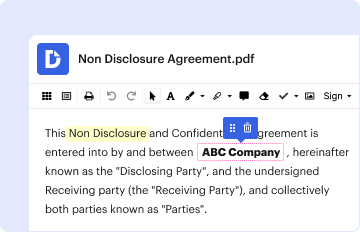
01. Edit your lost wages form car accident pdf online
Type text, add images, blackout confidential details, add comments, highlights and more.

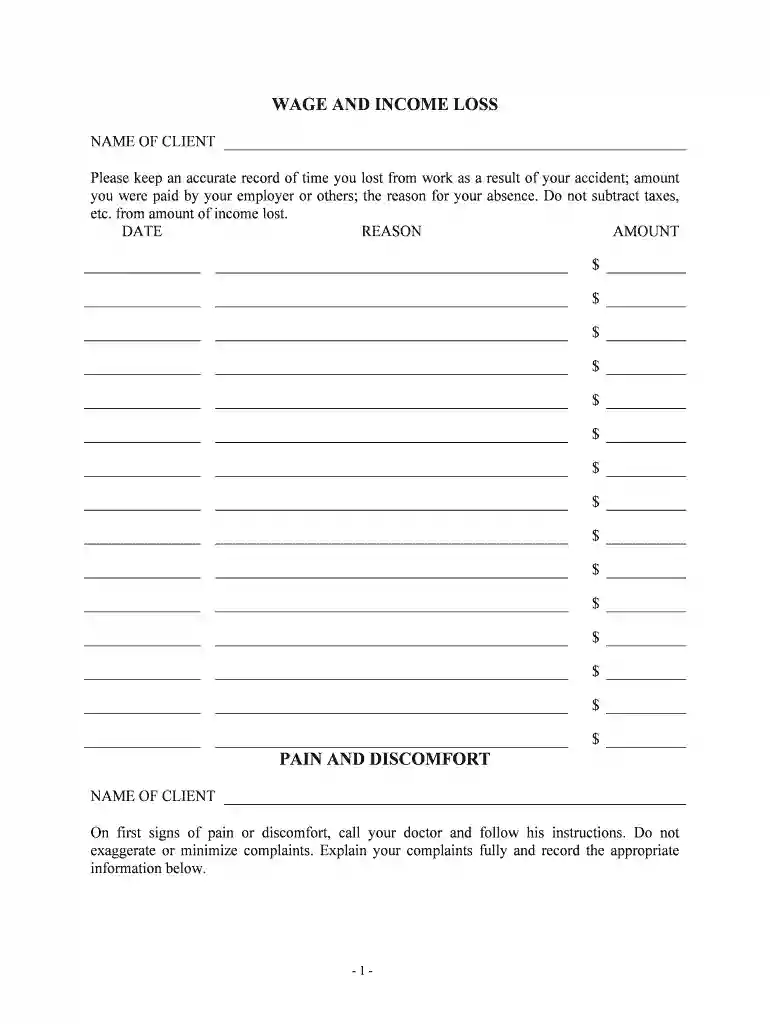
Type text, add images, blackout confidential details, add comments, highlights and more.
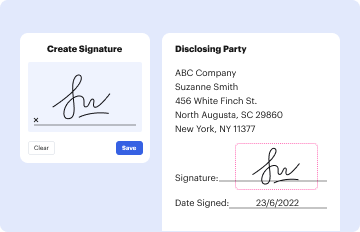
Draw your signature, type it, upload its image, or use your mobile device as a signature pad.

Send printable lost wages form via email, link, or fax. You can also download it, export it or print it out.
Wage loss refers to the reduction in income an individual experiences due to circumstances that prevent them from working, such as injuries from an accident or prolonged illnesses. It is essential to understand wage loss as it affects financial stability, impacting not only immediate expenses but also long-term financial planning. Recognizing wage loss enables individuals to seek compensation or benefits they might be entitled to, ensuring they do not suffer further hardship stemming from their inability to earn an income.
Understanding wage loss requires familiarity with the terms that document and prove this financial impact. A wage loss form is often utilized to record specifics related to income that has been lost due to an event, such as a car accident. Completing a wage loss form accurately is crucial, as it serves as official documentation in claims for insurance or legal proceedings. This form provides a clear view of the financial repercussions an individual faces, including past and future loss of earnings.
A proper wage loss calculation requires the following key elements:
This thorough approach ensures that all aspects of wage loss are considered and documented effectively.
Completing a wage loss form can be a straightforward process if done systematically. Here are the essential steps involved:
These steps provide a methodical way to present the information, enhancing the likelihood of a successful claim.
When submitting a wage loss form, certain documents are necessary to support your claim, including:
Providing comprehensive and accurate documentation ensures the credibility of the wage loss claim.
The wage loss form is utilized by a diverse range of individuals who have encountered interruptions in their income. Common users include:
Understanding the target demographic is vital to ensuring the wage loss documentation is correctly prepared and utilized.


Wage loss documentation plays a crucial role in legal cases, particularly personal injury claims. Courts and insurance companies require detailed records to validate claims for lost wages. Proper documentation can contribute significantly to negotiating settlements or awards. It is essential to comply with state regulations and legal standards when using wage loss forms in such contexts.
Practical examples can clarify the application of a wage loss form for various situations:
These examples showcase varied scenarios depicting wage loss and illustrate the importance of accurate documentation in securing necessary financial support.
Understanding the filing deadlines for wage loss forms is critical to ensure that claims are submitted in a timely manner. Each state may impose specific deadlines, often ranging from 30 days to several months depending on the type of claim (insurance, workers' compensation, etc.). Failing to adhere to these timelines might jeopardize the chance of receiving compensation. Keeping a calendar of important dates and reminders for filing can help mitigate risks associated with missed deadlines.
Awareness and adherence to deadlines, along with the correct submission practices, play a significant role in successfully navigating wage loss claims.
At DocHub, your data security is our priority. We follow HIPAA, SOC2, GDPR, and other standards, so you can work on your documents with confidence.
Feb 5, 2021 Storylets and actions which lower Wages of a Dig. Pages in category Wages of a Dig Loss. The following 8 pages are in this category, out of 8Read more
To be eligible for wage-loss benefits under Part E, a DOE contractor employee must establish a loss of wages due to a covered illness. EEOICPA Fin. Dec. No.Read more
The form should be completed as soon as possible, but no more than 14 calendar days after the date pay stops due to the injury or disease.Read more


