GENERAL PROJECT INFORMATION 2026

Get Form
GENERAL PROJECT INFORMATION Preview on Page 1

Here's how it works

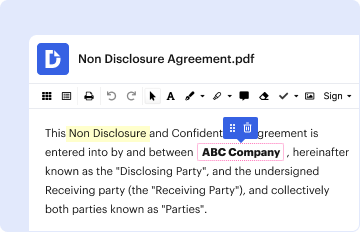
01. Edit your form online
Type text, add images, blackout confidential details, add comments, highlights and more.
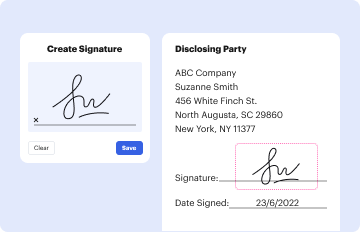
02. Sign it in a few clicks
Draw your signature, type it, upload its image, or use your mobile device as a signature pad.
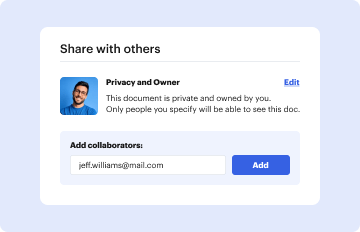
03. Share your form with others
Send it via email, link, or fax. You can also download it, export it or print it out.

How to use or fill out GENERAL PROJECT INFORMATION with our platform

Form edit decoration
9.5
Ease of Setup
DocHub User Ratings on G2
9.0
Ease of Use
DocHub User Ratings on G2
  1. Click ‘Get Form’ to open the GENERAL PROJECT INFORMATION document in the editor.
  2. Begin by entering the Project Number, which will serve as your tracking number in the AASIS system. Ensure this is accurate for proper documentation.
  3. Fill in the Design Professional and Project fields, along with the Agency name. This information is crucial for identifying project ownership.
  4. In the Purchase Request section, specify that all construction projects are lump sum. Enter the dollar amount set aside for this project under Quantity and set Val. Price to 1.
  5. Complete the AASIS Purchase Requisition Number and Certified Amount for the Award of the Contract fields accurately.
  6. Indicate ownership of the construction site by selecting State, Leased, or Other. If leased, attach necessary documents as instructed.
  7. Specify how this project will be funded (State Funds, Federal Funds, etc.) and provide any relevant expiration dates or additional funding sources.
  8. If applicable, indicate whether you wish to hold a bid opening at your institution by selecting yes or no.
  9. Finally, ensure all signatures are completed along with titles and dates before submitting your form.

Start using our platform today to streamline your document editing and form completion process for free!

be ready to get more

Complete this form in 5 minutes or less

Get form

Got questions?

We have answers to the most popular questions from our customers. If you can't find an answer to your question, please contact us.
Contact us
A project description outlines the details of one project, including all its phases and processes involved, in a single document. It addresses the problem that initiated the project and the desired goals and objectives.
How to Write a Project Description Summarize: Write a one- or two-paragraph explanation of what the project aims to accomplish. Define: Describe the problem or opportunity and how the project will address it. Set goals: Identify SMART project objectives, defined as follows: Explain: Briefly explain your methodology.
How to write a project description Assign a title. Summarize your project. Define the purpose. Describe your goals. Identify possible limitations. Determine your approach. Create a schedule. Establish a budget.
A project report is a document that provides detail on the overall status of the project or specific aspects of the projects progress or performance.
A project is defined as a sequence of tasks that must be completed to attain a certain outcome. According to the Project Management Institute (PMI), the term Project refers to to any temporary endeavor with a definite beginning and end. Depending on its complexity, it can be managed by a single person or hundreds.

People also ask

A group of activities that have a scope, follow a schedule and cost money. What is the most accurate definition of a project? An activity led by a project manager. Scheduled work completed by resources.
A detailed project overview Your project description should also include key points such as the scope of the work, the specific tasks, and the responsibilities that the consultant is expected to take on if they were hired for the role. The more information you can write about the project, the better.
Basic Project Information means the documents, reports (including report on selecting plants, resources report, and exploration report etc.), data (e.g., meteorological and hydrogeological data), agreements (for raw materials, fuels, water, power, gas, transportation etc.)

Related links