01. Edit your form online
Type text, add images, blackout confidential details, add comments, highlights and more.

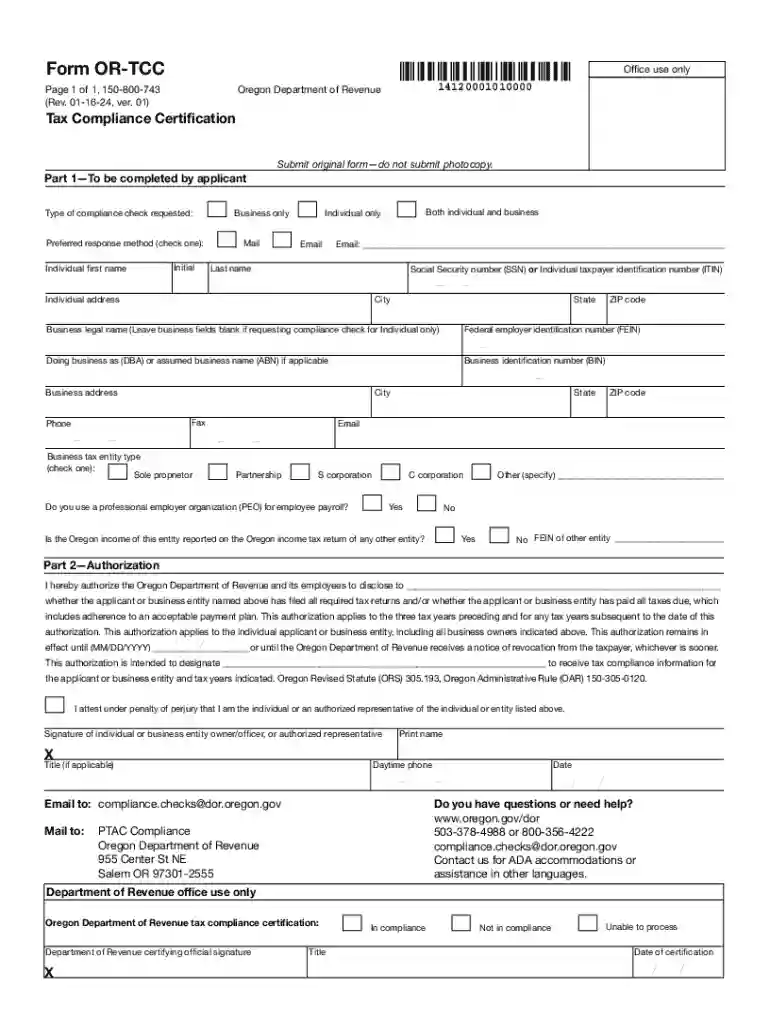
Type text, add images, blackout confidential details, add comments, highlights and more.

Draw your signature, type it, upload its image, or use your mobile device as a signature pad.

Send it via email, link, or fax. You can also download it, export it or print it out.
The 2023 Oregon Income Tax - Form OR-40-N is specifically designed for part-year residents of Oregon. This form is crucial for individuals who lived in Oregon for only part of the year. It allows these taxpayers to report their income earned during the period of residence in Oregon, as well as any income sourced from the state after they moved. Accurately completing this form ensures that individuals fulfill their tax obligations in both their prior and new states of residence.
To effectively use the Form OR-40-N, start by gathering your income documentation for the year. This includes W-2s, 1099s, and any other relevant income statements. The form requires you to delineate between Oregon-source income and non-Oregon-source income. For each income type, you'll report the total earned during the time you were a resident. Additionally, calculate deductions and credits that apply specifically to the part of the year you were an Oregon resident.
The OR-40-N form can be accessed from several sources. Visit the Oregon Department of Revenue’s official website for a downloadable version. Alternatively, tax preparation software such as TurboTax or QuickBooks often provides access to the necessary forms as part of their services. For those without internet access, request a physical copy by contacting the Oregon Department of Revenue directly.
Using Form OR-40-N requires understanding Oregon’s residency laws and tax guidelines. It's vital to ensure all income and deductions are reported accurately to avoid legal complications. Misreporting can lead to fines or audits. Additionally, review the state's latest guidelines annually, as tax laws and regulations often change.
The deadline for filing Form OR-40-N is usually April 15th, aligning with the federal tax filing deadline. Submit your completed form via the Oregon Department of Revenue's online portal, or choose traditional mailing methods to send it to the department’s address. Physical copies should be postmarked by the due date to be considered timely filed.
When filing your OR-40-N, ensure you include:
Various taxpayer groups often use Form OR-40-N, such as:
Each scenario may require specific considerations in reporting Oregon-source income.


Failing to comply with the requirements for filing the OR-40-N form can result in penalties, including financial fines and interest on unpaid taxes. In some cases, late or incorrect filings can trigger audits. Ensure all reporting is accurate and timely to avoid these punitive measures.
We've got more versions of the 2023 Oregon Income Tax - Form OR-40-N and form. Select the right 2023 Oregon Income Tax - Form OR-40-N and version from the list and start editing it straight away!
At DocHub, your data security is our priority. We follow HIPAA, SOC2, GDPR, and other standards, so you can work on your documents with confidence.