




01. Edit your form online
Type text, add images, blackout confidential details, add comments, highlights and more.

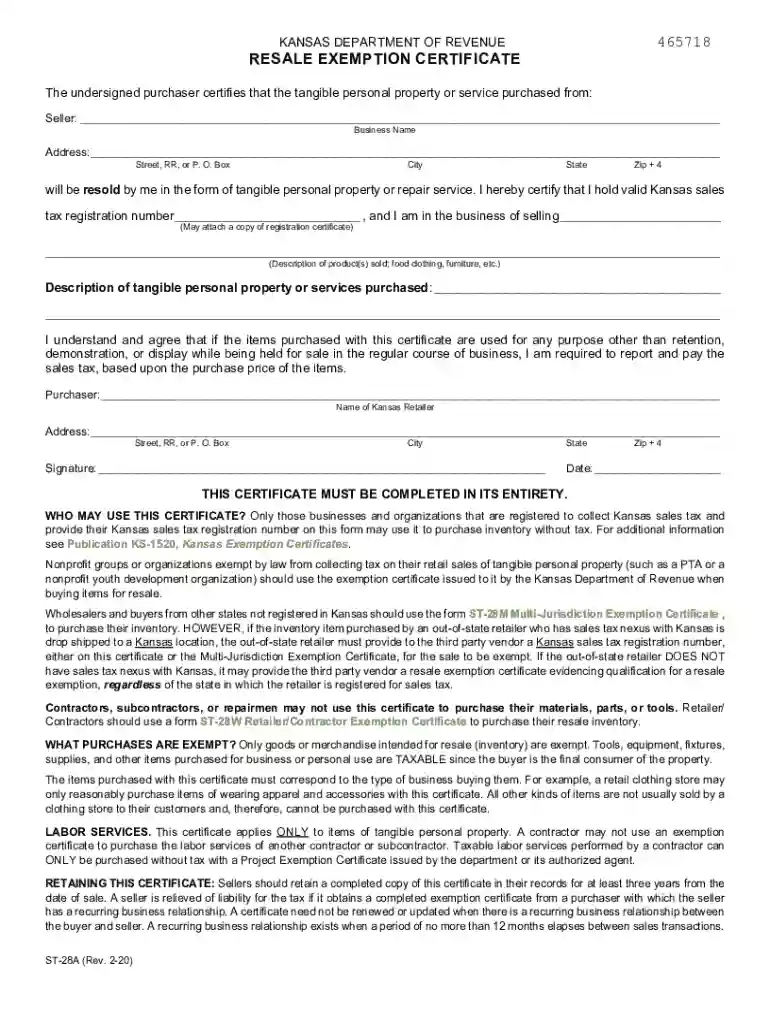
Type text, add images, blackout confidential details, add comments, highlights and more.

Draw your signature, type it, upload its image, or use your mobile device as a signature pad.

Send it via email, link, or fax. You can also download it, export it or print it out.
The Pub KS-1510 Sales Tax and Compensating Use Tax Booklet Rev 11-24 is a vital publication that delineates Kansas businesses' roles and responsibilities related to sales and compensating use tax. These taxes concern transactions deemed taxable or exempt. The booklet serves as an educational guide for correctly collecting, reporting, and remitting these taxes, promoting adherence to Kansas tax laws and preventing potential legal issues.
Using the booklet involves familiarizing oneself with the guidelines and instructions for managing sales and compensating use taxes. It includes foundational knowledge, practical procedures, and examples to aid compliance.
The booklet can be acquired through various methods to ensure accessibility for Kansas businesses seeking to comply with state tax regulations.
Completing tax filings using the booklet requires understanding the procedures and following them diligently to ensure compliance with state tax requirements.
Understanding key terms is crucial for deciphering the booklet's contents and applying the information appropriately to business operations.
Understanding the legal stipulations in the booklet is essential for maintaining compliance and avoiding penalties associated with sales tax regulations.
Adhering to deadlines is crucial for maintaining compliance and avoiding penalties. The booklet provides a calendar of critical filing dates.
Failure to adhere to the guidelines and requirements in the booklet can result in significant penalties, emphasizing the importance of compliance.
Each section of the booklet is designed to provide businesses operating in Kansas with comprehensive guidance and instructions for fulfilling their tax obligations effectively. By understanding and implementing the booklet's guidelines, businesses can operate in compliance with state laws and minimize the risk of costly errors.
We've got more versions of the Pub KS-1510 Sales Tax and Compensating Use Tax Booklet Rev 11-24 This publication has been prepared form. Select the right Pub KS-1510 Sales Tax and Compensating Use Tax Booklet Rev 11-24 This publication has been prepared version from the list and start editing it straight away!
At DocHub, your data security is our priority. We follow HIPAA, SOC2, GDPR, and other standards, so you can work on your documents with confidence.


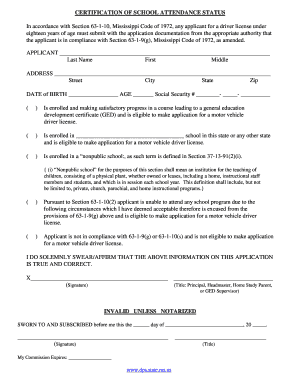

This publication has been prepared by the Kansas Department of Revenue (KDOR) to assist you in understanding how the Kansas sales and use tax applies to yourRead more
by J Schwartz 2022 Cited by 43 In this Article, I look beyond the conventional economic incentives. Fund shareholders paid taxes on dividends, It would have been triple taxationat the


