
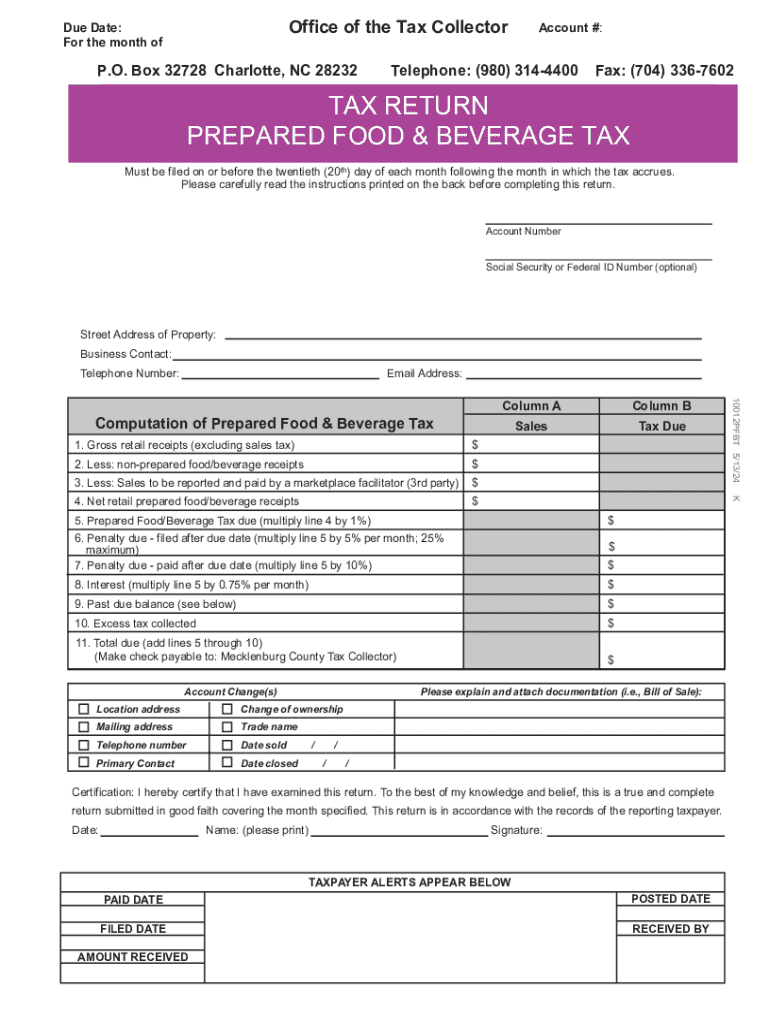







Definition and Importance of Important Tax Due Dates
The "Important Tax Due Dates" from the Office of the Tax Collector is a comprehensive schedule outlining significant deadlines taxpayers must adhere to for filing their taxes. This form is crucial for ensuring that individuals and businesses remain compliant with their tax obligations. Missing these due dates can lead to penalties and interest charges, making timely submission essential. Understanding these dates helps taxpayers plan their finances, especially for those with more complex tax situations such as self-employed individuals or businesses.
How to Use Important Tax Due Dates
To effectively use the Important Tax Due Dates, start by familiarizing yourself with the specific deadlines listed for various tax forms and payments. These may include quarterly estimated tax payments, annual tax returns, and other tax-related obligations. It's advisable to mark these dates on a calendar and set reminders to ensure timely submissions. Additionally, reviewing any state-specific deadlines is important, as they can differ from federal timelines.
Tips for Managing Tax Deadlines
- Organize Your Documents Early: Gather all necessary documentation well in advance.
- Set Reminders: Use digital calendars or apps to notify you ahead of important deadlines.
- Consult a Tax Professional: If you're unsure about any dates, consulting with a CPA or tax advisor can be beneficial.
Steps to Complete the Important Tax Due Dates Form
- Review the Form: Begin by thoroughly reading through the Important Tax Due Dates form to understand all applicable deadlines.
- Gather Required Information: Collect any documents required for forms you need to submit by the listed dates.
- Confirm Deadlines: Double-check deadlines against your own calendar to avoid any discrepancies.
- Prepare and Submit Forms: Complete the necessary forms before the deadlines, ensuring all information is accurate.
- Maintain Records: Keep copies of all submitted forms and confirmations for future reference.
Key Elements of Important Tax Due Dates
The key elements of this form include specific deadlines for various tax obligations, such as:
- Filing Deadlines for Annual Tax Returns: Typically, this is April 15 for federal taxes.
- Quarterly Estimated Tax Payments: These are generally due in April, June, September, and January.
- Specialty Forms and Payments: Deadlines for lesser-known forms relevant to specific industries or tax situations.
Understanding these elements ensures taxpayers are well-prepared to meet their obligations and avoid unnecessary penalties.
Penalties for Non-Compliance
Failing to comply with the Important Tax Due Dates can result in several penalties, including late fees and interest on unpaid taxes. These penalties can accumulate over time, significantly increasing the amount owed. Additionally, chronic non-compliance may lead to more severe actions by tax authorities, such as audits or wage garnishments.
Common Penalties
- Late Filing Penalty: Charged if tax returns are filed after the due date without a valid extension.
- Late Payment Penalty: Imposed on taxes not paid by the original due date.
- Interest Charges: Accrued on unpaid taxes and any penalties.
Who Typically Uses Important Tax Due Dates
The form is primarily used by:
- Individual Taxpayers: Especially those with complex financial situations, such as rental property owners or investors.
- Businesses: Including LLCs, corporations, and partnerships that must adhere to various tax filing and payment schedules.
- Tax Professionals: CPAs and tax advisors rely on this information to assist clients in staying compliant.
Filing Deadlines for Important Tax Documents
The typical filing deadlines covered in the Important Tax Due Dates form are:
- Federal Income Tax Returns: Generally due on April 15 each year.
- State Income Tax Returns: Varies by state. Check with your state tax authority for specific deadlines.
- Estimated Tax Payments: Due quarterly in April, June, September, and January.
Software Compatibility
Many taxpayers use software like TurboTax or QuickBooks to manage their tax obligations efficiently. These programs often integrate tax due date reminders and automate some parts of the filing process, minimizing the risk of missing a deadline.
- TurboTax: Can automatically import tax forms and keep track of deadlines.
- QuickBooks: Offers functionalities to record expenses and prepare for tax season, aligning with the due dates.
State-Specific Rules and Variations
While the form outlines general federal deadlines, some states have unique tax requirements and deadlines. For instance, California or New York may have different filing timelines or specific forms that businesses must submit. It's crucial for taxpayers to verify these details with their state's tax office.
Research State Requirements
- Contact State Tax Offices: Each state's Department of Revenue website will list specific deadlines.
- Review State-Specific Forms: Ensure all forms required by your state are identified and submitted on time.
Conducting Regular Reviews
Taxpayers and businesses should conduct regular reviews of their compliance with tax deadlines, ideally on a quarterly basis. This review process can help identify any missed due dates, discrepancies in filings, or incomplete submissions, allowing for corrective action before penalties occur.
- Quarterly Check-Ins: Evaluate your filing calendar quarterly.
- Update Financial Records: Ensure all transactions are accurately recorded for upcoming submissions.




