




01. Edit your it pmt online
Type text, add images, blackout confidential details, add comments, highlights and more.

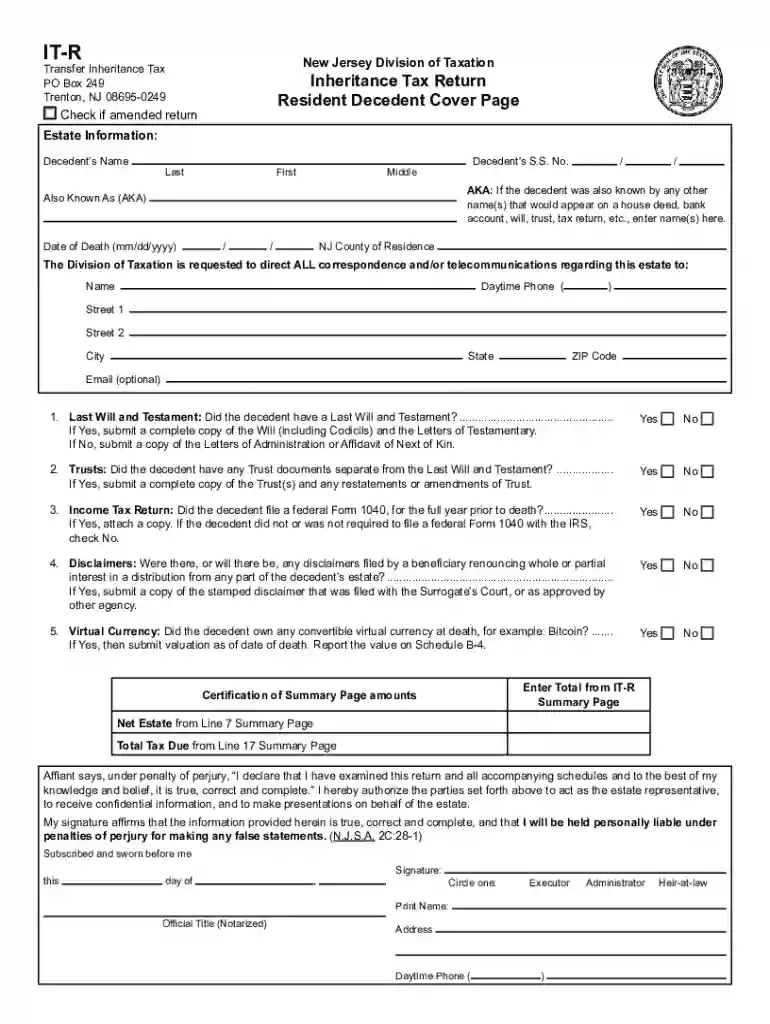
Type text, add images, blackout confidential details, add comments, highlights and more.

Draw your signature, type it, upload its image, or use your mobile device as a signature pad.

Send when it rains it pours chords via email, link, or fax. You can also download it, export it or print it out.
The ET-706, or New York State Estate Tax Return, is a mandated form used to report and settle estate taxes of deceased individuals residing or owning property in New York State at the time of death. This form is necessary to calculate the estate tax liabilities based on the estate's value and distributeig required payments. Understanding the definition and purpose of ET-706 is crucial for estate representatives to ensure compliance with New York State laws, and to avoid any legal repercussions.
Gather Essential Documents: Begin by collecting all necessary documents such as the decedent's will, financial statements, and asset inventories. This includes details about real estate, stocks, bonds, and other personal belongings.
Calculate the Gross Estate Value: Determine the total value of the estate by assessing all included assets. Be sure to include life insurance payouts, trusts, and any other items that contribute to the estate's overall value.
Complete Required Sections: Fill in the sections of the form requiring details about the estate, including the decedent's personal information, estate assets, liabilities, and deductions.
Apply Deductions and Exemptions: Identify applicable deductions such as funeral expenses, debts, and marital deductions, which can reduce the estate’s taxable amount.
Review and Verify: Double-check the entered information for accuracy, as errors can delay processing or lead to penalties.
Submit the Form: Once completed, submit the ET-706 along with any additional documentation and payment for owed taxes to the appropriate state tax authority, using online, paper, or in-person submission methods.
Decedent's Information: Includes the full name, Social Security Number, and date of death of the individual whose estate is being administered.
Executor/Administrator Details: This section captures details of the person responsible for managing the estate, including contact information.
Assets and Liabilities: Requires a detailed list of the estate's financial situation, including assets like real estate, investments, and bank accounts, as well as liabilities such as debts and mortgages.
Deductions and Credits: Involves claiming deductions which can include debts owed at the time of death, funeral costs, charitable contributions, and others that can reduce the taxable estate amount.
Filing the ET-706 necessitates a variety of supporting documents to verify all provided information:
Death Certificate: A certified copy for legal validation of the estate process.
Will or Trust Documents: If applicable, indicate how assets should be distributed.
Appraisals and Valuations: For properties and personal items, providing proof of their value.
Financial Records: Statements for bank accounts, stocks, bonds, and other investments.
The ET-706 form must be filed within nine months from the decedent’s date of death. Missing this deadline may incur penalties or interest charges on unpaid taxes. Any extensions must be requested before the original deadline, and adequate reasons and possible payments need to be provided to avoid negative consequences.
Failure to file or correctly complete the ET-706 can result in significant financial penalties. Penalties include interest on unpaid estate taxes and fines for late submission. Accurate and timely filing is critical to avoid these additional costs, and estate representatives must ensure compliance to protect the value of the estate from unnecessary depletion.
The ET-706 is primarily used by estate administrators or executors tasked with settling the estate of a decedent. This includes individuals working with estate planning professionals, attorneys, or accountants in preparing the final tax obligations of an estate. Understanding the responsibilities and requirements of filing is essential for these individuals to ensure lawful and efficient estate settlement.


The ET-706 serves as a legal instrument for calculating and reporting estate taxes under New York State law. It provides a thorough accounting of a decedent's estate value and ensures taxes are appropriately levied. Utilizing this form according to the legal stipulations ensures that the estate fulfills its statutory tax obligations, thereby protecting it from legal disputes or claims by tax authorities.
We've got more versions of the it pmt form. Select the right it pmt version from the list and start editing it straight away!
At DocHub, your data security is our priority. We follow HIPAA, SOC2, GDPR, and other standards, so you can work on your documents with confidence.
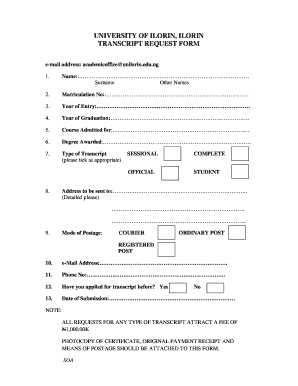
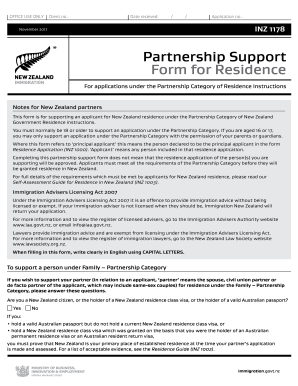
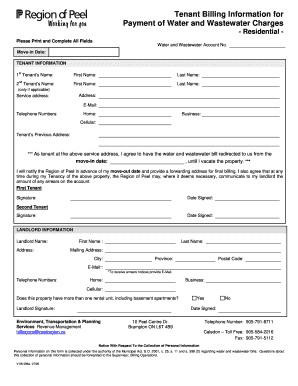



Form ET-706 New York State Estate Tax Return For an estate of an individual who died on or after April 1, 2017, and on or before December 31, 2018
Oct 24, 2025 ET-706 (Fill-in) ET-706-I (Instructions) New York State Estate Tax Return - For an estate of an individual who died on or after January 1, 2025


