




01. Edit your ifta 101 form online
Type text, add images, blackout confidential details, add comments, highlights and more.

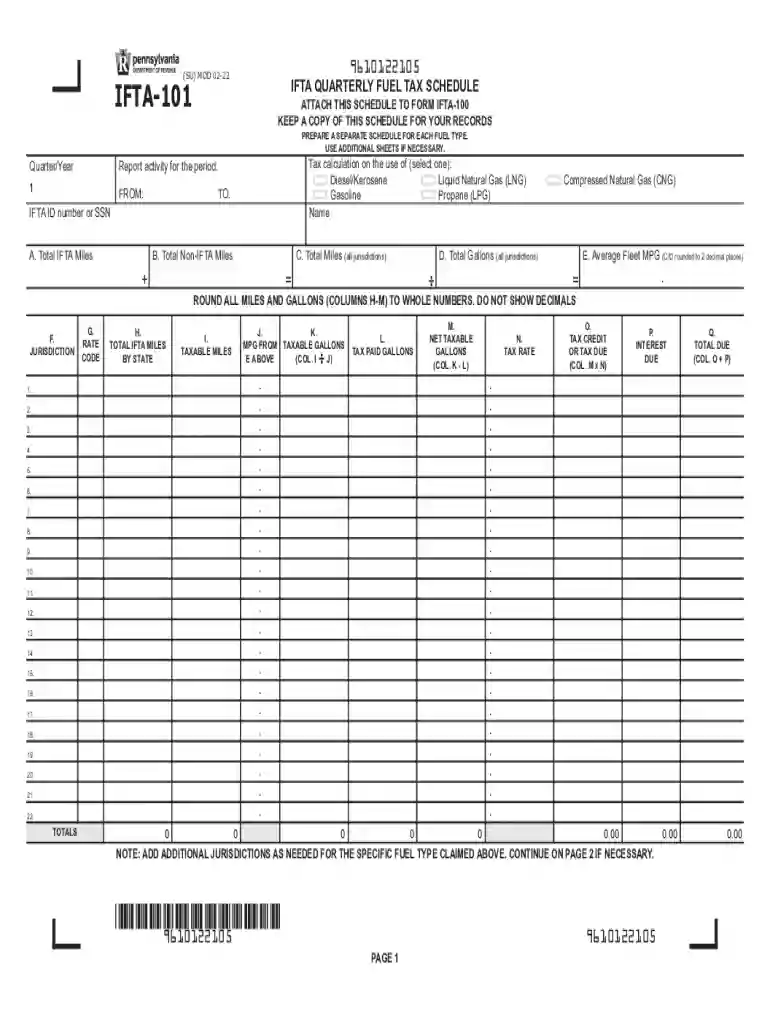
Type text, add images, blackout confidential details, add comments, highlights and more.

Draw your signature, type it, upload its image, or use your mobile device as a signature pad.

Send it via email, link, or fax. You can also download it, export it or print it out.
The IFTA-101 form is an essential document used for reporting the International Fuel Tax Agreement (IFTA) Quarterly Fuel Tax Schedule. It is designed to facilitate the reporting of fuel usage and mileage by commercial vehicles that operate in multiple jurisdictions. The IFTA-101, when attached to the IFTA-100 report, provides detailed information on fuel consumption and mileage, ensuring compliance with various state and provincial tax regulations. This form is critical for fleet operators and trucking companies required to calculate fuel taxes owed to each jurisdiction based on their travel and fuel data.
To properly use the IFTA-101, users must accurately log and report all fuel purchases and mileage covered during the reporting quarter. The form requires inputting detailed information such as total miles driven, fuel types consumed, and gallons of fuel purchased within each jurisdiction. This data helps determine the tax owed to each state or province. When completing the form, ensure all entries are precise and supported by relevant documentation, like fuel receipts and mileage logs, to avoid discrepancies or audits. Submit the finalized form alongside the IFTA-100 to fulfill quarterly reporting obligations.
Completing the IFTA-101 requires careful attention to detail, as it involves multiple steps to ensure all necessary data is correctly reported:
Utilizing the IFTA-101 form is crucial for entities engaged in interstate trucking, providing a streamlined method to report fuel use and mileage. It ensures compliance with IFTA regulations, aiding in the accurate calculation of tax liabilities across jurisdictions. By using IFTA-101, operators can effectively manage their tax responsibilities and avoid penalties for non-compliance. Additionally, accurate reporting can prevent disputes with tax authorities, safeguarding businesses from costly audits and fines.
The process of completing the IFTA-101 involves several key terms crucial for understanding and accurate completion of the form:
The IFTA-101 form fulfills a legal requirement for fuel tax reporting under the International Fuel Tax Agreement, covering commercial trucking operations in multiple states or provinces. This standardized approach simplifies the taxation process for interstate commerce, ensuring that taxes are equitably distributed based on where vehicles operate. Compliance with these legal obligations helps maintain good standing with fuel tax authorities and avoids unnecessary legal complications.
It is vital for users to adhere to specific deadlines when filing the IFTA-101 form. The form must be submitted quarterly, with deadlines typically falling on the last day of the month following the end of a quarter. Missing these deadlines can result in financial penalties and interest charges. It’s essential to remain vigilant about calendar dates, ensuring timely completion and submission to maintain compliance with IFTA regulations.
Failure to comply with IFTA-101 requirements can result in severe penalties, including fines, interest on unpaid taxes, and potential suspension of license privileges. Inaccurate or late submissions also expose operators to audits and further financial liabilities. To avoid these consequences, ensure the form is completed accurately, supported by proper documentation, and submitted within the stipulated deadlines. Maintaining diligent records and understanding all regulatory requirements are critical practices for ensuring compliance.
The IFTA-101 form must align with IRS guidelines for fuel tax reporting. This includes accurately reporting taxable and tax-paid gallons, along with maintaining detailed records of mileage and fuel purchases. Understanding IRS guidelines helps ensure that all information provided on the IFTA-101 is complete and compliant with federal tax laws. Adherence to these guidelines is crucial for avoiding discrepancies and potential tax audits that could lead to additional scrutiny or penalties.
We've got more versions of the ifta 101 form form. Select the right ifta 101 form version from the list and start editing it straight away!
At DocHub, your data security is our priority. We follow HIPAA, SOC2, GDPR, and other standards, so you can work on your documents with confidence.


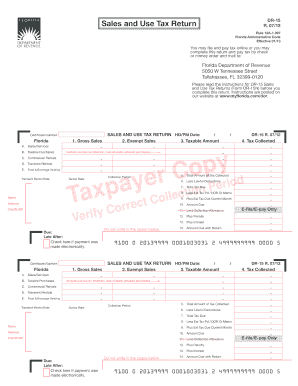

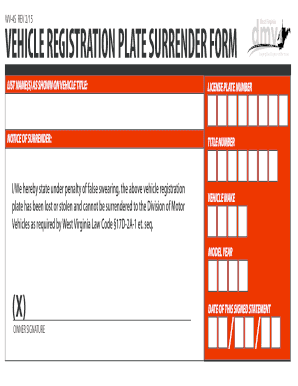
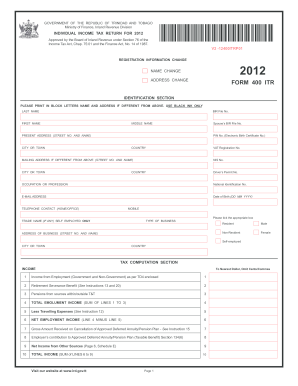

(a) Form IFTA-101, IFTA Quarterly Fuel Use Tax Schedule shall be submitted along with form IFTA 100, IFTA Quarterly Fuel Use Tax Return as set forth in
21 hours ago How To Apply for a PA Business Tax Account.How to file and pay your IFTA fuel tax. 101. How to File an International Fuel Tax Agreement (IFTA)
Fuel tax calculation. Complete a separate Form IFTA-101 schedule for each fuel type used. Use continuation sheets if additional space is needed.Read more


