




01. Edit your cdtfa 735 online
Type text, add images, blackout confidential details, add comments, highlights and more.

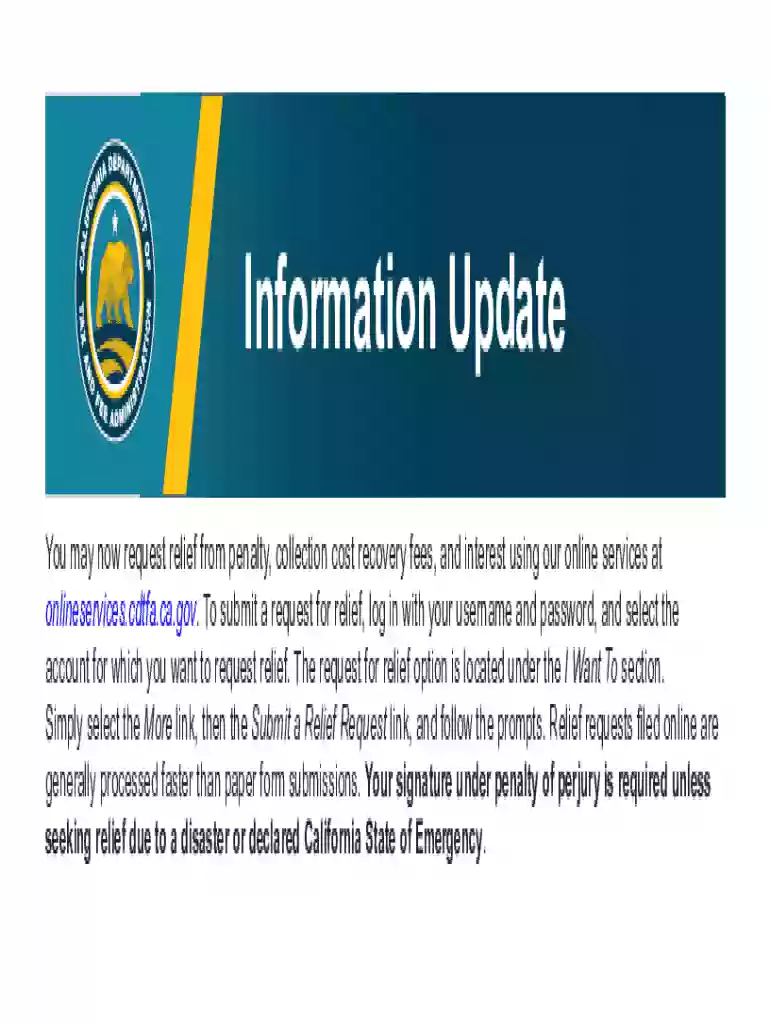
Type text, add images, blackout confidential details, add comments, highlights and more.

Draw your signature, type it, upload its image, or use your mobile device as a signature pad.

Send penalty collection via email, link, or fax. You can also download it, export it or print it out.
The "Request for Relief from Penalty, Collection Cost Recovery Fee, and Interest" is a formal petition filed with the California Department of Tax and Fee Administration (CDTFA) by taxpayers or businesses that seek exemption or reduction of charges incurred due to late tax payment or filing. These charges may include penalties, interest, or fees associated with the collection process. Relief is considered under specific conditions like reasonable cause or natural disasters, and the intent is to provide financial relief when uncontrollable circumstances prevent timely compliance.
Understanding the specific terminology is crucial for effectively completing and filing the request.
Grasping these terms ensures clear communication and proper documentation when filing for relief.
The form can be accessed and obtained through several channels:
These methods ensure easy access to the form for all taxpayers needing to apply for relief.
Filling out the request form accurately is critical for a successful application:
Following these steps comprehensively increases the likelihood of acceptance.
This form is commonly used by:
Understanding who can benefit from this form helps each entity tailor their application more precisely to their circumstances.


Specific criteria must be met to qualify for relief:
Meeting these criteria with the right documentation positioned your request for a more favorable outcome.

Keeping track of these dates is crucial for the timely submission of your request:
Knowing these deadlines helps ensure your application is considered valid and timely.
Multiple avenues are available for submitting your completed form:
Choosing the correct submission method aligns with both the taxpayer's convenience and the CDTFA's preferred processing method.
We've got more versions of the cdtfa 735 form. Select the right cdtfa 735 version from the list and start editing it straight away!
At DocHub, your data security is our priority. We follow HIPAA, SOC2, GDPR, and other standards, so you can work on your documents with confidence.
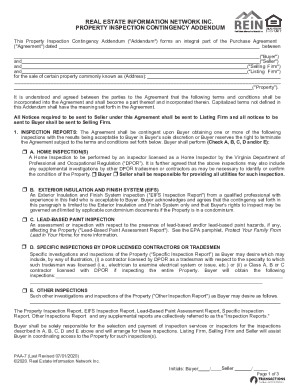

You may now request relief from penalty and/or interest, relief from collection cost recovery fees, submit a declaration of timely mailing, and request a
by RCE Beck Cited by 5 forgiveness of penalties, collection fees, and interest on such penalties involve not gain, but avoidance ofloss. That avoidance ofloss is not taxable is


