







Definition & Meaning
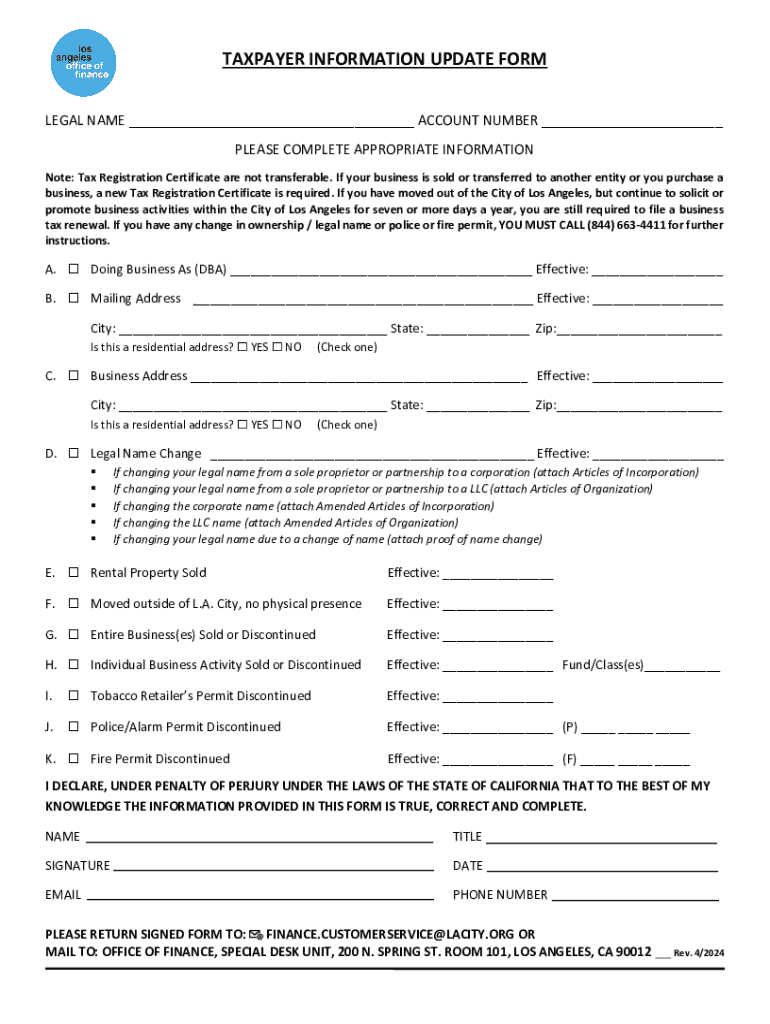
The "Legal Name Account Number" is a distinct identifier used primarily for confirming the legal identity of businesses or individuals in financial and official transactions. It combines an entity's legal name—an officially registered name recognized by the state or federal authorities—with a unique account number to ensure accurate record-keeping and streamlined processes in documentation and data management. This identifier is important for preventing fraud, maintaining regulatory compliance, and facilitating secure transactions between different parties.
How to Obtain the Legal Name Account Number
Obtaining a Legal Name Account Number generally involves registering your business or legal entity with the appropriate government agency. This typically requires filling out specific forms and providing necessary documents, such as business registration certificates or personal identification. In the United States, for business entities, this process might involve registering with the Secretary of State or equivalent local entity. You may also be assigned an account number by financial institutions or government bodies once your registration is complete.
Steps to Complete the Legal Name Account Number
-
Identify the Appropriate Form: Determine the specific form needed for your type of business or personal registration. This will vary based on your entity type and location.
-
Gather Required Documentation: Collect necessary documents such as identification proof, business licenses, and tax identification numbers.
-
Fill Out the Form: Accurately complete the form, providing all requested information, including your legal name, business details, and any additional data required.
-
Submit the Form: Depending on the issuing body, submit the form via mail, online, or in person. Ensure all details are correct and that any fees are paid.
-
Await Confirmation: After submission, you typically receive confirmation from the issuing agency, which includes your newly assigned Legal Name Account Number.
Key Elements of the Legal Name Account Number
-
Legal Name: This is the official name under which a person or business entity is registered. It is critical for legal and financial transactions.
-
Account Number: A unique identifier linked to the legal name, often used to track financial activities and regulatory compliance matters.
-
Issue Date: Marks when the Legal Name Account Number was issued, serving as a record for validation purposes.
-
Purpose and Use: Clarifies the number's role in monitoring financial activities, ensuring accurate tax filings, and maintaining compliance.
Legal Use of the Legal Name Account Number
Legal Name Account Numbers are vital for complying with various federal and state regulations. They ensure that all financial transactions are linked to a verified legal entity, which is crucial for auditing, tax reporting, and maintaining transparency in business operations. This identification helps prevent fraudulent activities and is commonly required in contracts, tax filings, and official reports.
State-Specific Rules for the Legal Name Account Number
While the general principles of assigning and using Legal Name Account Numbers remain consistent, specific rules and processes may differ by state. Some states may require additional documentation or specific forms tailored to local regulations. It is important to refer to state guidelines to ensure compliance, especially if your business operates across multiple states.
Examples of Using the Legal Name Account Number
-
Business Tax Filings: Use this identifier when submitting state and federal tax returns for accurate tracking and compliance.
-
Official Contracts and Agreements: Reference the number to validate the legal standing of the contracting parties.
-
Bank Transactions: Link your Legal Name Account Number with your bank accounts to facilitate secure and authenticated financial operations.
Required Documents
Essential documents typically required for obtaining or using a Legal Name Account Number include:
-
Proof of Business Registration: Such as articles of incorporation or a business license.
-
Identification for Individuals: Government-issued IDs for sole proprietors or unregistered business owners.
-
Tax Identification Numbers: Employers and other entities should provide their Employer Identification Number (EIN) or Social Security Number (SSN).
Penalties for Non-Compliance
Non-compliance with regulations related to the Legal Name Account Number can result in financial penalties, legal action, or suspension of business activities. Failing to use or correctly report this number in required processes might lead to fines or audits by regulatory authorities, affecting both the financial standing and legitimacy of the business entity.




