




01. Edit your california 565 online
Type text, add images, blackout confidential details, add comments, highlights and more.

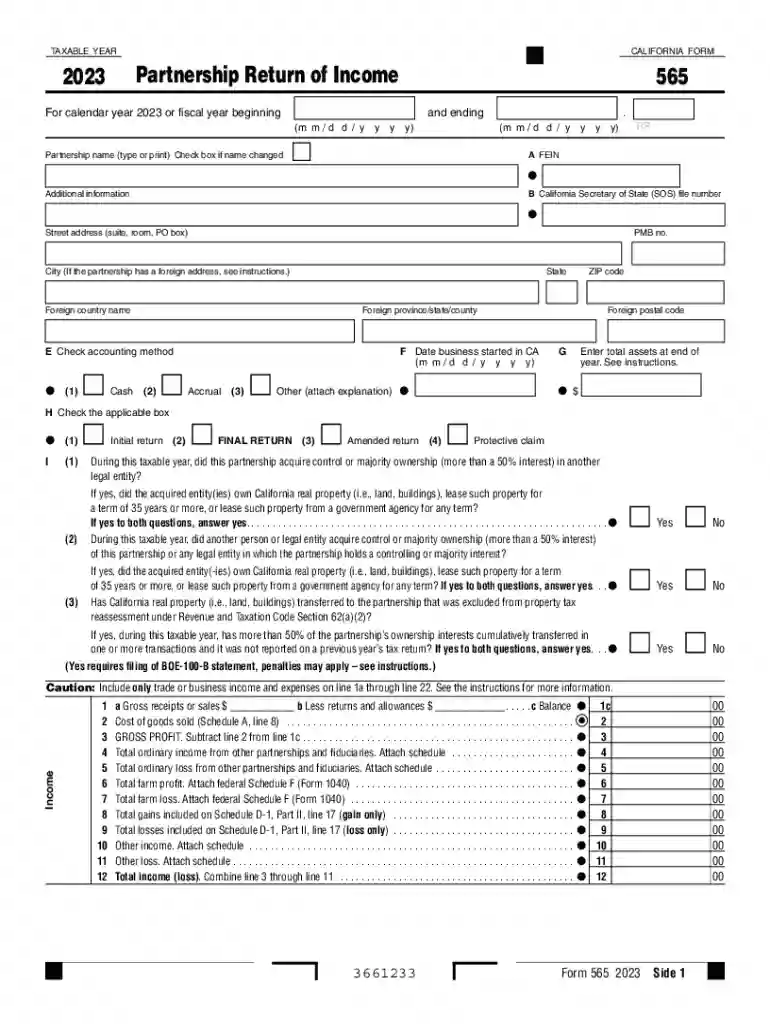
Type text, add images, blackout confidential details, add comments, highlights and more.

Draw your signature, type it, upload its image, or use your mobile device as a signature pad.

Send ca partnership return via email, link, or fax. You can also download it, export it or print it out.
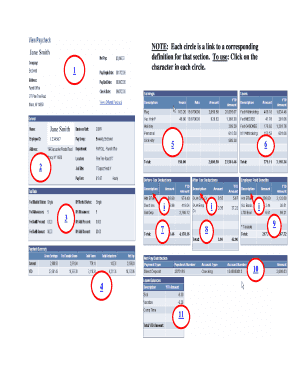
A 3D Print employee tax summary for the calendar year is a document designed to provide a comprehensive overview of an employee's taxable income, benefits, deductions, and withholdings throughout the year. This summary not only functions as a record for individual taxpayers but also assists employers in ensuring accurate reporting to tax authorities. Traditionally, tax summaries are printed, but a 3D printing approach implies digital creation through innovative methods, that might include personalized and accessible formats.
The document serves essential purposes like verifying the financial details relevant to tax returns and preparing for annual submissions. Both employees and employers utilize it to cross-check financial records, ensuring transparency and compliance with tax regulations.
The 3D Print employee tax summary contains several critical elements that capture an employee's financial information comprehensively. These components include:
Each section of the summary serves to clarify the extent of an employee's financial engagement with their employer over the year, aligning with tax reporting standards and facilitating smooth submissions.
Employees and employers utilize the 3D Print employee tax summary in various scenarios. Primarily, it's used to prepare personal income tax returns by providing necessary figures for accurate reporting. It also assists in cross-referencing with year-end payroll reports and other documents like W-2 forms.
These steps help streamline the tax preparation process, mitigate errors, and address any discrepancies in financial reporting.
Completing the 3D Print employee tax summary involves several steps to ensure accurate and thorough documentation:
These steps ensure the summary is completed accurately, minimizing potential errors when filing taxes.
To maintain compliance, the 3D Print employee tax summary must adhere to specific IRS guidelines. These include accurate reflection of all taxable income and deductions mandated by federal law. Employers must ensure that the summary is aligned with IRS forms like the W-2 where applicable.
Additionally, any bonuses, commissions, or other variable compensations must be duly noted. It's crucial to follow IRS rules for documenting retirement contribution plans and medical benefits.
Understanding key deadlines is critical for timely submissions:
Meeting these timelines ensures compliance and avoids penalties associated with late submissions.
Failing to appropriately manage and submit the 3D Print employee tax summary can lead to penalties. For employees, inaccurate tax filings on their part may result in fines and back taxes. Employers face penalties for incorrect or delayed submissions to tax authorities, which can include monetary fines and further scrutiny.
It's crucial for both parties to ensure the summaries are accurate, timely, and meet all regulatory obligations to avoid these repercussions.
The 3D Print employee tax summary offers flexible submission methods to accommodate various preferences:
Selecting the appropriate submission method depends on individual or organizational preference, access to technology, and comfort with digital platforms.
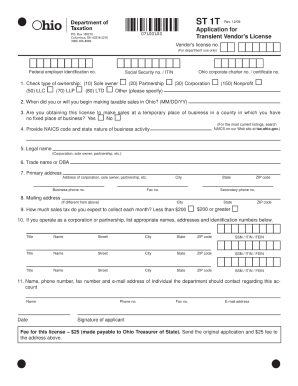
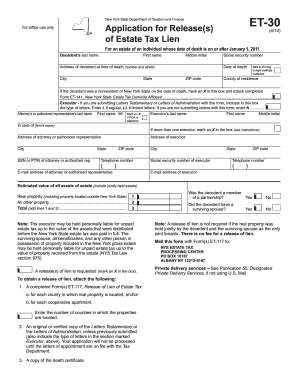
We've got more versions of the california 565 form. Select the right california 565 version from the list and start editing it straight away!
At DocHub, your data security is our priority. We follow HIPAA, SOC2, GDPR, and other standards, so you can work on your documents with confidence.





3D printing is available to Westminster University faculty, staff, Faculty, staff, and students all have access to the 3D printer. Printing costs $0.10 per
there is hereby imposed a tax on the failure of such employer to meet the requirements of subsection (d) for such calendar year. to 35 percent of the aggregate


