




01. Edit your 2023 schedule k1 online
Type text, add images, blackout confidential details, add comments, highlights and more.

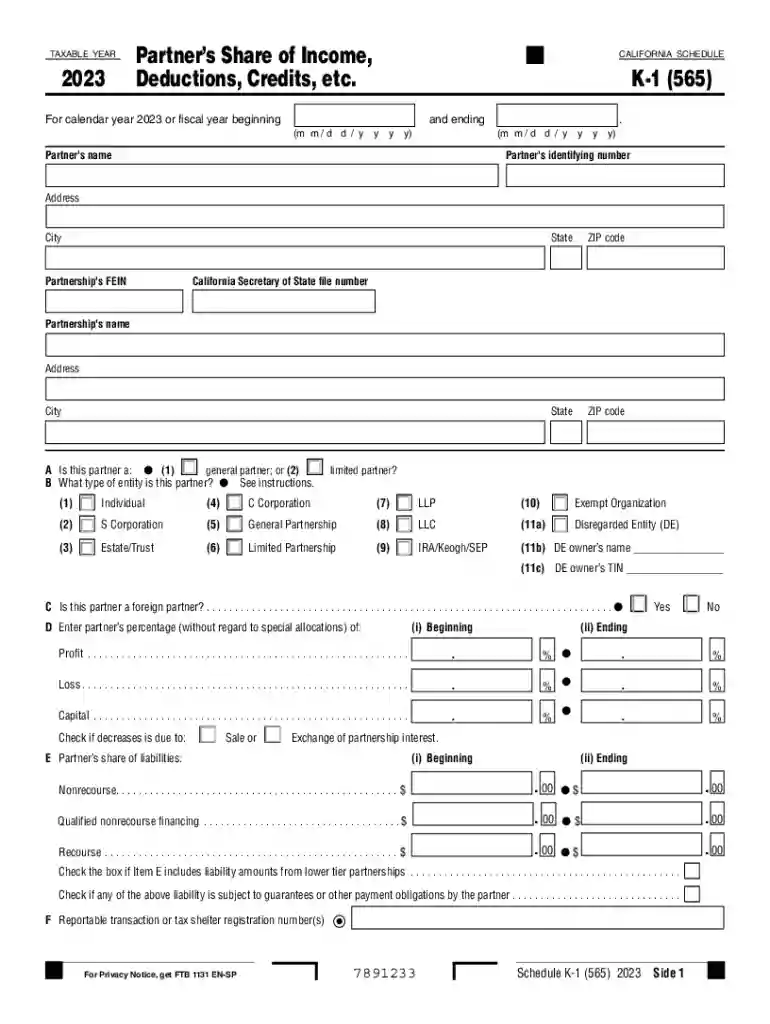
Type text, add images, blackout confidential details, add comments, highlights and more.

Draw your signature, type it, upload its image, or use your mobile device as a signature pad.

Send 2023 k1 via email, link, or fax. You can also download it, export it or print it out.
The California Form 541 Schedule K-1, known formally as the "Beneficiary's Share of Income, Deductions, Credits, etc.," is a crucial tax document used in the administration of trust and estate taxation within the state of California. It helps in detailing each beneficiary’s share of income, deductions, credits, and other pertinent financial allocations from a trust or estate. Its main purpose is to ensure that each beneficiary is correctly informed about their individual tax liability pertaining to trust or estate income. This form is necessary for accurate tax reporting and compliance with tax regulations specific to California state law.
To use the California Form 541 Schedule K-1, beneficiaries and tax preparers need to carefully review the information provided for their personal tax returns. The form is typically prepared by the executor or trustee of an estate or trust. Here's how beneficiaries should utilize this information:
Completing the California Form 541 Schedule K-1 requires specific steps which must be adhered to carefully:
The primary users of the California Form 541 Schedule K-1 are beneficiaries of estates and trusts. These individuals are required to report their earnings received from these entities for tax purposes. Trustees and executors of estates are responsible for generating and releasing these forms to the beneficiaries. It is also utilized by tax professionals aiding their clients in preparing personal tax returns by incorporating the income details from the form.


Legally, the California Form 541 Schedule K-1 serves as a critical document for ensuring compliance with state tax laws. Beneficiaries are compelled under law to report the income or losses outlined in this form on their personal tax returns. Non-compliance or inaccuracies can result in audits, penalties, or interest from the state's tax authorities. Legal adherence ensures transparent declarations and fair tax contributions reflective of actual earnings from trusts and estates.
The California Form 541 Schedule K-1 comprises several key elements that must be completed accurately:
Ensuring timely filing of the California Form 541 Schedule K-1 is critical to maintaining good standing with tax authorities. The filing deadline aligns with the federal tax deadline, typically April 15th, though this can vary slightly based on state or federal holidays. Extensions for filing may be available, but these must be requested beforehand, and beneficiaries should remain aware of the importance of adhering to deadlines to avoid penalties.
Submission of the California Form 541 Schedule K-1 can be achieved through multiple methods:
We've got more versions of the 2023 schedule k1 form. Select the right 2023 schedule k1 version from the list and start editing it straight away!
| Versions | Form popularity | Fillable & printable |
|---|---|---|
| 2025 | 4.3 Satisfied (39 Votes) | |
| 2023 | 4.4 Satisfied (43 Votes) | |
| 2022 | 4.5 Satisfied (40 Votes) | |
| 2021 | 4.8 Satisfied (83 Votes) | |
| 2020 | 4.4 Satisfied (238 Votes) | |
| 2019 | 4.3 Satisfied (80 Votes) | |
| 2018 | 4.4 Satisfied (52 Votes) | |
| 2017 | 4.4 Satisfied (58 Votes) | |
| 2016 | 4.3 Satisfied (247 Votes) | |
| 2015 | 4.4 Satisfied (44 Votes) | |
| 2012 | 4.2 Satisfied (60 Votes) | |
| 2011 | 4 Satisfied (38 Votes) |
At DocHub, your data security is our priority. We follow HIPAA, SOC2, GDPR, and other standards, so you can work on your documents with confidence.
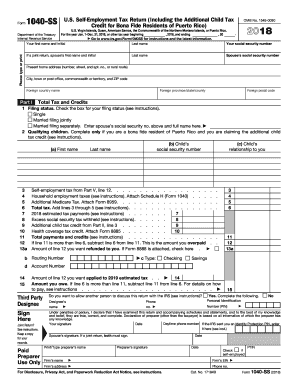



The estate or trust uses Schedule K-1 (541) to report your share of the estates or trusts income, deductions, credits, etc.
by RS Kinyon 2013 Cited by 3 Schedule K-1 (541) separately states the California source income on which nonresident beneficiaries are required to pay tax in California.
This thesis explores the notion of a human right to higher education (HRHE) Access share refers to the proportion of commencing students per socioeconomic


