01. Edit your form online
Type text, add images, blackout confidential details, add comments, highlights and more.

Type text, add images, blackout confidential details, add comments, highlights and more.

Draw your signature, type it, upload its image, or use your mobile device as a signature pad.

Send it via email, link, or fax. You can also download it, export it or print it out.
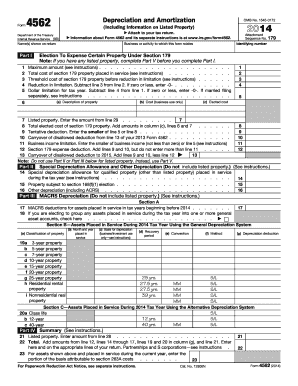
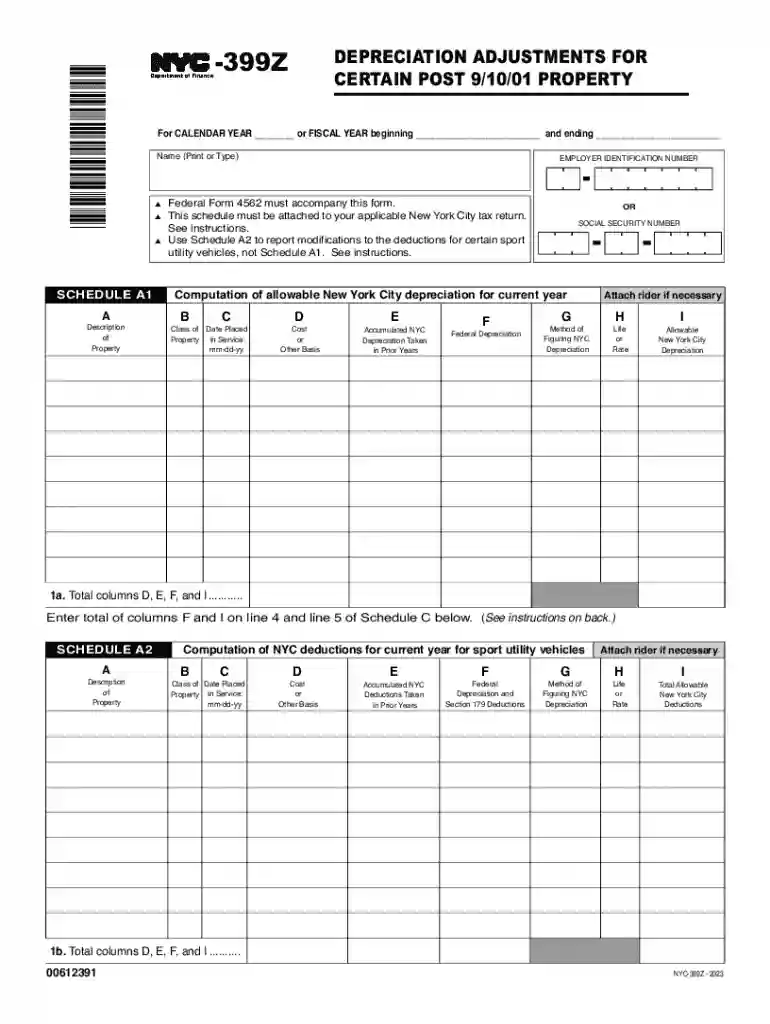
Depreciation adjustments for certain post-9/10/01 assets refer to specific tax deductions and adjustments on property and equipment acquired after the events of September 11, 2001. Following the tragedy, tax regulations were modified to provide relief and incentivize economic resilience through accelerated depreciation for qualified properties. These adjustments help in reducing the taxable income of businesses, impacting their overall tax liability.
The "Depreciation Adjustments for Certain Post-9/10/01" form captures various critical elements required for calculating depreciation deductions. Key components include:
To correctly utilize the form, taxpayers must:
These steps ensure accuracy in reporting and maximization of allowable deductions.
When filling out the "Depreciation Adjustments for Certain Post-9/10/01" form, follow these steps:
Understanding crucial terminology is essential for accurate completion of the form:
These terms provide the foundational understanding necessary for effectively using the form.
The form is governed by federal tax law, specifically the Internal Revenue Code, which outlines eligible properties and allowable deductions. Compliance with these regulations is crucial to avoid penalties and ensure legal utilization of tax benefits for depreciation adjustments.
The IRS provides guidance on how to apply depreciation rules for post-9/10/01 properties. Reference to IRS publications and instructions associated with the form is vital to ensure compliance with federal tax requirements and accurate reporting.
The form typically follows the annual tax filing deadlines applicable to businesses in the U.S. Ensuring timely submission aligns with the fiscal year and avoids any potential penalties associated with late filings.
Failing to accurately report depreciation adjustments or missing filing deadlines can result in significant penalties, including fines and interest on unpaid taxes. Ensuring correct and timely submission helps in avoiding such financial repercussions.
These examples illustrate how various business scenarios can benefit from the form's provisions.
We've got more versions of the DEPRECIATION ADJUSTMENTS FOR CERTAIN POST 9 10 01 form. Select the right DEPRECIATION ADJUSTMENTS FOR CERTAIN POST 9 10 01 version from the list and start editing it straight away!
| Versions | Form popularity | Fillable & printable |
|---|---|---|
| 2025 | 4.7 Satisfied (44 Votes) | |
| 2024 | 4.8 Satisfied (33 Votes) | |
| 2023 | 4.5 Satisfied (35 Votes) | |
| 2022 | 4.5 Satisfied (39 Votes) | |
| 2021 | 4.8 Satisfied (125 Votes) | |
| 2020 | 4.2 Satisfied (97 Votes) | |
| 2019 | 3.9 Satisfied (44 Votes) | |
| 2018 | 4.3 Satisfied (105 Votes) | |
| 2017 | 4.3 Satisfied (23 Votes) | |
| 2016 | 4.4 Satisfied (399 Votes) | |
| 2015 | 3.8 Satisfied (28 Votes) | |
| 2014 | 4 Satisfied (37 Votes) | |
| 2012 | 4 Satisfied (55 Votes) |
At DocHub, your data security is our priority. We follow HIPAA, SOC2, GDPR, and other standards, so you can work on your documents with confidence.