




01. Edit your form online
Type text, add images, blackout confidential details, add comments, highlights and more.

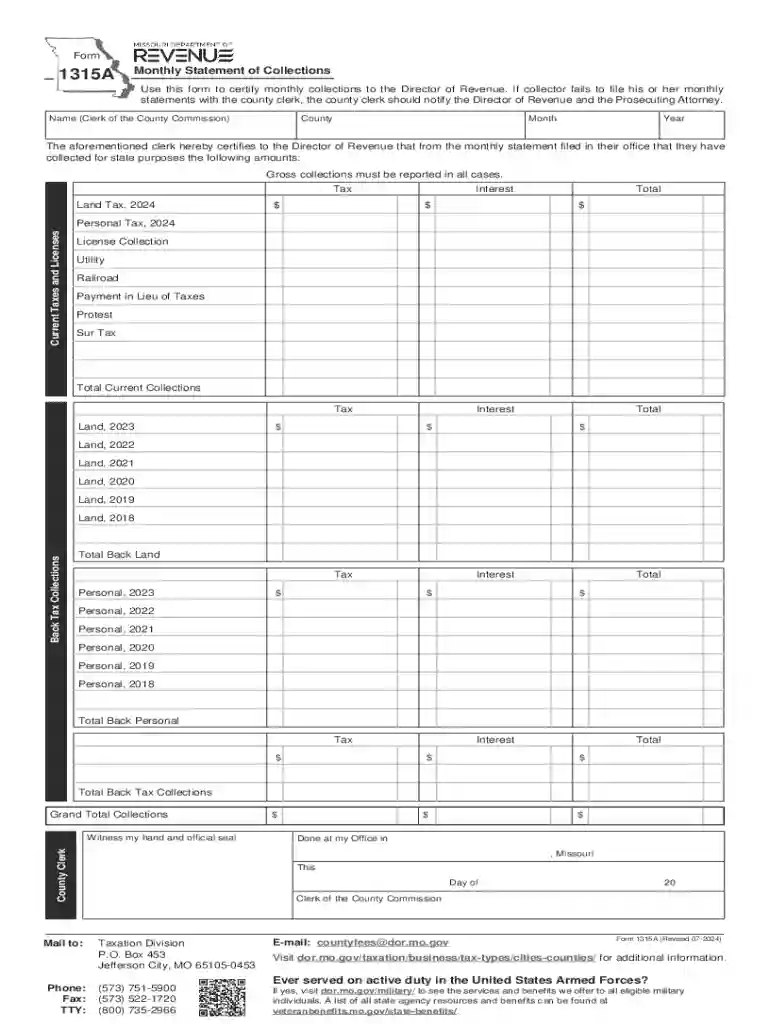
Type text, add images, blackout confidential details, add comments, highlights and more.

Draw your signature, type it, upload its image, or use your mobile device as a signature pad.

Send it via email, link, or fax. You can also download it, export it or print it out.
Form MO-1040 is the Missouri individual income tax return form for the year 2023. It is used by residents of Missouri to report their annual income to the Missouri Department of Revenue. This form helps calculate the amount of tax owed or refund due based on the individual's income, deductions, and credits. The MO-1040 is essential for ensuring compliance with state tax laws, accurately reporting personal income, and taking advantage of any state-specific tax benefits one might be eligible for.
Gather Necessary Information: Before starting, collect all relevant financial documents, such as W-2s, 1099s, and any records of deductions or credits.
Fill in Personal Information: Enter your full name, social security number, and home address to ensure personal identification is accurate.
Report Income: Use the provided lines to detail all sources of income, including wages, interest, dividends, and any other earnings that require reporting.
Calculate Deductions and Credits: List any applicable deductions such as health expenses or educational credits. This step directly impacts the taxable income.
Determine Tax Owed or Refund: Complete the tax computation section using the current tax tables to ascertain whether you owe state taxes or if you are due a refund.
Sign and Date the Form: Certification of the form with a signature is required for it to be considered valid by the Missouri Department of Revenue.
Online Download: The Missouri Department of Revenue provides the MO-1040 forms on their official website for users to download and print at home.
Local Tax Offices: Visit a local Missouri Department of Revenue office to obtain a physical copy if you prefer not to use digital resources.
Tax Software: Many tax preparation software options, like TurboTax or H&R Block, include the MO-1040 form as part of their state filing packages.
Annual Deadline: The standard deadline to file the Form MO-1040 for the year 2023 is April 15, 2024. If this date falls on a weekend or holiday, the deadline may be extended to the next business day.
Extensions: Taxpayers may apply for an extension if extra time is needed. It is typically six months, moving the deadline to October 15, 2024.
The MO-1040 is utilized by any Missouri resident who earned income within the state during the tax year 2023. This includes:
Full-Time Employees: Individuals employed by companies who receive a W-2 form for their earnings.
Self-Employed Individuals: Those running their businesses must report earnings through 1099 forms and declare business income and expenses.
Retirees with Income: Retired individuals with income sources like pensions, annuities, or investments must file to report such earnings.


Income Reporting Sections: Designated areas for listing all income types, ensuring comprehensive earnings reporting.
Deductions and Credits: Opportunities to list qualifying deductions and tax credits, impacting the taxable amount significantly.
Tax Computation: A section where the taxpayer calculates the tax owed or the refund due, applying current tax statutes.
Signature/Certification Area: A mandatory field where the taxpayer verifies the information's accuracy through a signature.
To accurately complete the MO-1040, the following documents are typically necessary:
Failing to file or improperly filling out Form MO-1040 can result in several penalties:
Understanding these penalties is crucial for ensuring full compliance and avoiding unnecessary financial burdens.
We've got more versions of the Form MO-1040 - 2023 Individual Income Tax Return form. Select the right Form MO-1040 - 2023 Individual Income Tax Return version from the list and start editing it straight away!
At DocHub, your data security is our priority. We follow HIPAA, SOC2, GDPR, and other standards, so you can work on your documents with confidence.
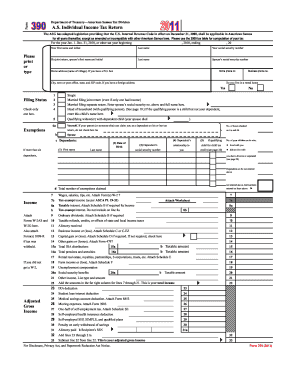


The form Individual Income Tax Return - Long Form, MO-1040 is incorporated by reference and made a part of this rule as published by Missouri Department of
Dec 31, 2023 To identify your tax, use your Missouri taxable income from Form MO-1040, Line 29Y and 29S and the tax chart in. Section A below. A separate taxRead more


