




01. Edit your missouri jurisdiction codes online
Type text, add images, blackout confidential details, add comments, highlights and more.

Type text, add images, blackout confidential details, add comments, highlights and more.

Draw your signature, type it, upload its image, or use your mobile device as a signature pad.

Send missouri sales tax form 53 1 via email, link, or fax. You can also download it, export it or print it out.
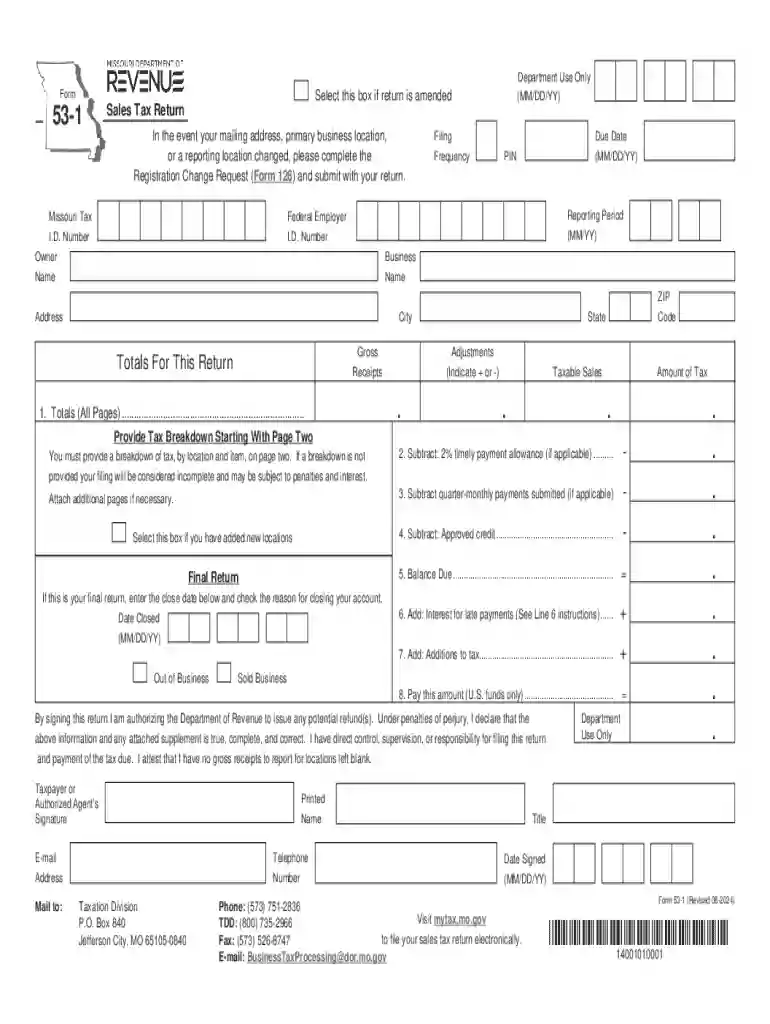
The 2023 MO DoR Form 53-1 is a sales tax return form used by businesses operating in Missouri to report and manage their sales tax liabilities. This document facilitates the accurate and organized reporting of various sales tax-related data, including gross receipts, taxable sales, and applicable tax amounts. Specifically designed for Missouri businesses, this form is a critical tool ensuring compliance with state tax regulations and obligations. By providing comprehensive sections for business identification and detailed instruction for electronic filing, the form stands as an essential component of a business's fiscal responsibility toward the Missouri Department of Revenue.
To effectively use the 2023 MO DoR Form 53-1, businesses should first identify the total gross receipts generated within the filing period. This step is crucial as it forms the foundation for calculating taxable sales and the overall tax due. Next, any applicable adjustments should be accurately recorded to reflect returns, discounts, and exemptions. Subsequently, businesses must calculate their taxable sales by subtracting these adjustments from the gross receipts. The calculated tax should then be based on Missouri's sales tax rate, applying it to the taxable sales total. Once completed, businesses have the option to submit the form electronically or print a blank version for manual submission, ensuring flexibility to suit their specific needs.
Gather Documentation: Ensure all necessary financial records and previous tax documents are available for accurate data entry.
Access the Form: Visit the Missouri Department of Revenue’s platform or use an online service like DocHub to access the fillable form.
Complete the Form: Enter all required details directly into the form fields, ensuring accuracy and completeness.
Submit Electronically: After completing and reviewing for errors, submit the form through the designated online portal.
Save Confirmation Receipt: Retain evidence of submission for future reference.
The form is primarily used by various business entities operating within Missouri, including sole proprietorships, partnerships, corporations, and limited liability companies (LLCs). These businesses, obliged to collect and remit sales tax, rely on Form 53-1 to report their sales activities accurately. Retailers, wholesalers, and service providers regularly use this form to ensure their sales tax compliance aligns with state requirements. Additionally, businesses that conduct both in-state and out-of-state sales may also use this form to report any sales tax due on items sold to Missouri-based customers.


The form comprises several vital sections designed to streamline the reporting process:
Business Identification: Includes fields such as the business name, address, and tax identification number, ensuring the correct association of the form with the filing business.
Gross Receipts: Captures the total sales receipts, representing the total revenue subject to possible adjustments and tax calculations.
Adjustments and Deductions: Provides a section to list any returns, discounts, or non-taxable sales which can adjust the taxable amount.
Taxable Sales: Reflects the sales amount subject to taxation after all adjustments.
Tax Calculation: Facilitates the computation of tax due by applying the appropriate tax rate to the taxable sales figure.
Payment and Authorization: Details the total tax due and includes signature lines for authorized personnel, affirming the accuracy and completeness of the information provided.
Business Information: Begin by filling out the business's official name, address, and Missouri tax identification number in the designated sections of the form.
Declare Gross Receipts: Input the total amount of gross sales receipts for the specified period.
Note Adjustments: Add any relevant deductions, such as returns or exempt sales, to adjust the gross receipts.
Calculate Taxable Sales: Subtract total adjustments from gross receipts to determine the taxable sales amount.
Determine Tax Due: Apply the state’s sales tax rate to the taxable sales to calculate the total tax amount due.
Authorize and Submit: Review for accuracy, sign the document, and choose your method of submission, whether online or through mail.
Businesses must adhere to the filing deadlines specified by the Missouri Department of Revenue to avoid penalties. Typically, the sales tax form must be filed monthly, quarterly, or annually, depending on the volume of sales and stipulated requirements by the state. Here are some general guidelines:
Ensuring timely submission not only aids in compliance but also helps in avoiding interest charges on overdue amounts.
Failure to comply with the filing requirements of the 2023 MO DoR Form 53-1 can lead to significant penalties imposed by the Missouri Department of Revenue. These penalties may include:
Late Filing Penalty: Assessed for forms submitted past the due date, often a percentage of the unpaid tax amount.
Underpayment Penalty: Applies when the paid tax falls short of the amount due, penalizing discrepancies affecting tax revenue.
Interest on Unpaid Taxes: Accrued daily from the due date until the tax is paid in full, compounding the financial strain on non-compliant businesses.
Understanding these penalties underscores the importance of accurate and timely submission of all sales tax returns to maintain tax compliance and financial health.
The 2023 MO DoR Form 53-1 is compatible with various software solutions designed for efficiency in tax preparation and financial tracking. Platforms such as TurboTax and QuickBooks offer support for Missouri state tax forms, allowing businesses to import data seamlessly, perform accurate tax calculations, and maintain comprehensive records. Utilizing these tools can drastically reduce the complexity of managing tax obligations, enabling quick updates and submissions to meet official deadlines efficiently. Additionally, integration capabilities are often available, allowing synchronization with accounting records and ensuring the accuracy of financial information provided on the form.
We've got more versions of the missouri jurisdiction codes form. Select the right missouri jurisdiction codes version from the list and start editing it straight away!
At DocHub, your data security is our priority. We follow HIPAA, SOC2, GDPR, and other standards, so you can work on your documents with confidence.
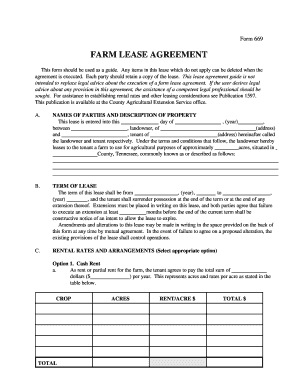
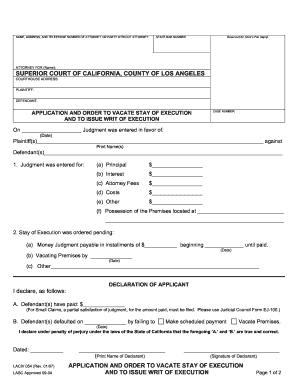
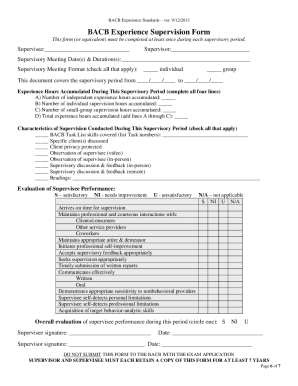




PMC is a free full-text archive of biomedical and life sciences journal literature. An official website of the United States government. Find tools for bulk
Missouri Department of Revenue, To search, type a keyword in the Form Number/Name box or choose a Category from the drop-down box below.


