NJDEP-N J A C 7:8, Stormwater Management, amended 2026

Get Form
NJDEP-N J A C 7:8, Stormwater Management, amended Preview on Page 1

Here's how it works

01. Edit your form online
Type text, add images, blackout confidential details, add comments, highlights and more.

02. Sign it in a few clicks
Draw your signature, type it, upload its image, or use your mobile device as a signature pad.

03. Share your form with others
Send it via email, link, or fax. You can also download it, export it or print it out.

Definition & Meaning of NJDEP-N J A C 7:8, Stormwater Management, Amended

The NJDEP-N J A C 7:8, Stormwater Management, amended, is a regulatory framework established by the New Jersey Department of Environmental Protection (NJDEP). It outlines the necessary requirements for managing stormwater to reduce the impact of runoff on the environment. The amendments focus on updating the practices and standards to mitigate potential environmental hazards caused by stormwater, particularly in areas experiencing significant development. These guidelines are crucial for ensuring that construction and developmental activities incorporate effective stormwater control measures.

Core Objectives

  • Regulation of Runoff: The main objective is to control and minimize runoff from impervious surfaces such as pavements and roofs.
  • Environmental Protection: Protect natural water bodies from contamination and erosion by managing stormwater effectively.
  • Sustainable Development: Encourage sustainable land use that incorporates eco-friendly stormwater management practices.

How to Use the NJDEP-N J A C 7:8, Stormwater Management, Amended

Using the NJDEP-N J A C 7:8 guidelines involves a detailed understanding of the requirements for stormwater management and applying them to relevant projects.

Practical Application Steps

  1. Identify Project Scope: Determine if your project qualifies as a Regulated Project by assessing the area of impervious surface it will create or modify.

  2. Design Stormwater Management Systems: Develop systems in line with NJDEP standards to manage and treat stormwater effectively. This includes creating retention and infiltration systems.

  3. Review and Approval Process: Submit your stormwater management plan to NJDEP for review. Ensure it meets all outlined criteria.

  4. Implement and Monitor Plans: Once approved, implement the plan and regularly monitor its effectiveness, adjusting as necessary.

  5. Maintenance: Establish ongoing maintenance procedures for all stormwater management facilities to ensure long-term compliance and performance.

Key Elements of the NJDEP-N J A C 7:8, Stormwater Management, Amended

The key elements of this framework encompass criteria for regulating stormwater runoff, design and performance standards, and maintenance obligations.

Main Components

  • Design Standards: Specifications for the construction of stormwater management systems that must reduce volume, peak flow, and improve water quality.

  • Performance Criteria: Guidelines for measuring the efficiency and effectiveness of stormwater management efforts, including standards for infiltration and detention basins.

  • Maintenance Requirements: Clear schedules and responsibilities for the continued upkeep of stormwater management facilities are crucial for ensuring these systems' efficacy over time.

Important Terms Related to NJDEP-N J A C 7:8, Stormwater Management, Amended

Understanding the terminology used in NJDEP-N J A C 7:8 is crucial for correct application and compliance.

Essential Terms

  • Impervious Surface: Any surface that does not allow water to permeate into the ground, increasing runoff volume.
  • Runoff: Water from rain or melting snow that flows over the ground surface and into storm drains or natural water bodies.
  • Stormwater Control Measure (SCM): Practices employed to manage the quantity and improve the quality of stormwater.

State-Specific Rules for NJDEP-N J A C 7:8, Stormwater Management, Amended

New Jersey has specific rules under the NJDEP-N J A C 7:8 for managing stormwater to protect its diverse natural resources.

Specific Regulations

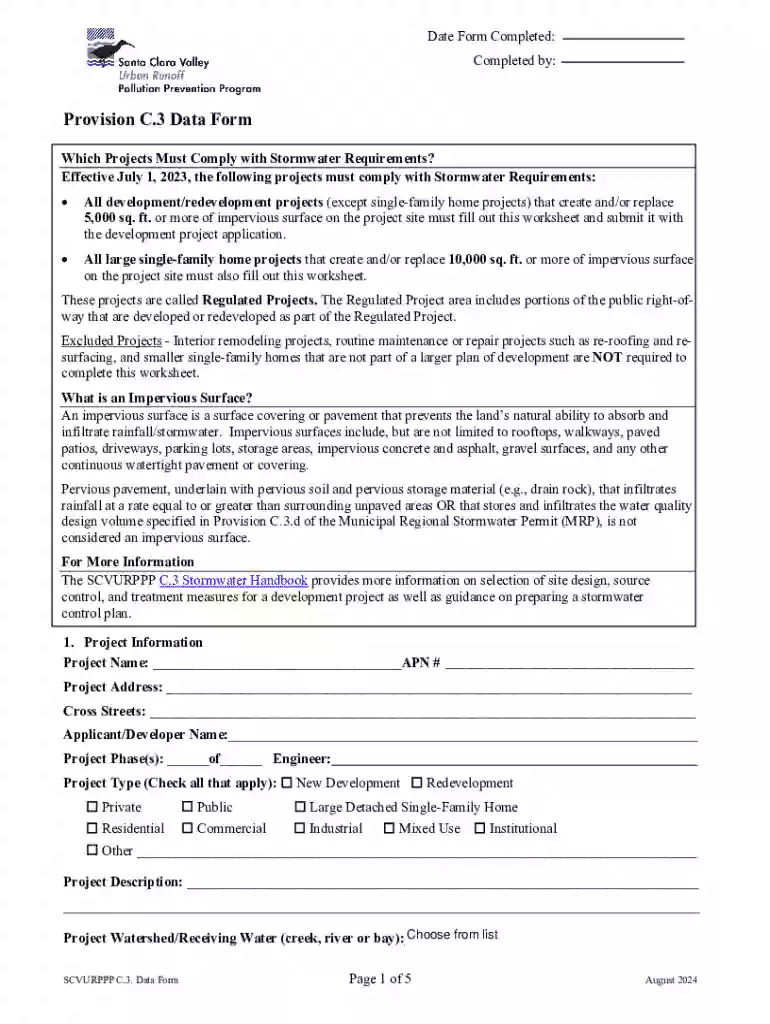
  • Thresholds for Regulated Projects: Projects creating or altering impervious surfaces of 5,000 square feet or more are classified as Regulated Projects.
  • Regional Considerations: Adaptation of guidelines based on the environmental sensitivity of the location and regional precipitation patterns.

Examples of Using the NJDEP-N J A C 7:8, Stormwater Management, Amended

Real-world applications of these regulations illustrate their practical benefit and importance.

Case Studies & Scenarios

  • Residential Subdivisions: A development project creating multiple homes with shared infrastructure must include shared stormwater management systems to handle cumulative runoff.
  • Commercial Developments: Large shopping complexes integrate advanced stormwater solutions such as green roofs and permeable pavements to minimize their environmental impact.

Legal Use of the NJDEP-N J A C 7:8, Stormwater Management, Amended

The NJDEP-N J A C 7:8 is a legal requirement, and adherence is mandatory for developmental projects. Each project must comply with the amended guidelines to avoid legal penalties and ensure sustainable environmental practices.

Compliance Procedures

  • Legal Documentation: Ensure all stormwater management plans and associated documentation are filed and approved by the NJDEP.
  • Inspection and Auditing: Regular inspections by NJDEP officials to verify compliance through site visits and system evaluations.

Steps to Complete the NJDEP-N J A C 7:8, Stormwater Management, Amended

To ensure compliance, certain steps must be followed during the planning and implementation phases of a project.

Completion Process

  1. Preliminary Plan Development: Consult with environmental engineers to draft initial plans.
  2. Submit for Review: Send the plan to NJDEP for review and feedback.
  3. Revise Plans: Make necessary adjustments as per the feedback received.
  4. Final Approval: Get final approval on revised plans.
  5. Execution: Implement the plan during construction.
  6. Regular Monitoring: Supervise and maintain the system in accordance with legal obligations.

Through the effective use of these guidelines, project developers and environmental engineers can ensure that their projects not only comply with legal standards but also contribute to the greater goal of environmental sustainability.

See more NJDEP-N J A C 7:8, Stormwater Management, amended versions

We've got more versions of the NJDEP-N J A C 7:8, Stormwater Management, amended form. Select the right NJDEP-N J A C 7:8, Stormwater Management, amended version from the list and start editing it straight away!
Versions Form popularity Fillable & printable
2024 4.2 Satisfied (22 Votes)
2011 4.5 Satisfied (53 Votes)
be ready to get more

Complete this form in 5 minutes or less

Get form

Got questions?

We have answers to the most popular questions from our customers. If you can't find an answer to your question, please contact us.
Contact us
The Clean Water Act provides states and tribes the option of assuming administration of the Section 404 permit program in certain waters within its geographic boundaries; the U.S. Army Corps of Engineers retains authority for tidal waters and adjacent wetlands and other waters effected by interstate and foreign
In 2019, the Stormwater Utility Law, officially known as the Clean Stormwater and Flood Reduction Act was signed into law. This Act gives local and county governments the authority to create stormwater utilities and dedicate funding specifically to address stormwater management problems.
Civil law rule It holds that the owner of a parcel of lower land must accept the natural drainage from higher parcels and cannot alter the drainage pattern of his own land to increase the drainage flow onto lower parcels. For this reason the rule is sometimes referred to as the natural flow rule.
Congress gives EPA authority to develop and implement federal stormwater regulations. Any new or modified regulations must go through a rulemaking process. The process includes a proposal, public comment, and a final rule that must then be implemented and enforced.
Comments Section Stormwater is what it sounds like Water from rain storms. The locality has to manage runoff from impervious surfaces (roof, paved driveway, etc), so they charge a fee based on the amount of impervious surfaces you have. Water is your tap water.

Security and compliance

At DocHub, your data security is our priority. We follow HIPAA, SOC2, GDPR, and other standards, so you can work on your documents with confidence.


Learn more
ccpa2
pci-dss
gdpr-compliance
hipaa
soc-compliance