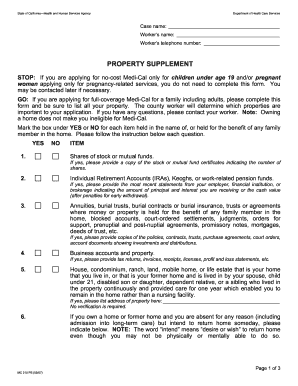
Transactional error reimbursement and transfer form 2026

Get Form
transactional error reimbursement and transfer form Preview on Page 1

Here's how it works

01. Edit your transactional error reimbursement and transfer form online
Type text, add images, blackout confidential details, add comments, highlights and more.

02. Sign it in a few clicks
Draw your signature, type it, upload its image, or use your mobile device as a signature pad.

03. Share your form with others
Send transactional error reimbursement and transfer form via email, link, or fax. You can also download it, export it or print it out.

Definition and Meaning of Transactional Error Reimbursement and Transfer Form

The transactional error reimbursement and transfer form is a structured document used for claiming reimbursements or transferring funds related to transactional discrepancies. It is essential when users encounter errors during financial transactions, ensuring that they can reclaim incorrect charges or allocate funds as needed. This form serves as a legal and formal request to resolve these financial issues correctly. It outlines procedures for error validation, thus providing a standardized approach to manage such occurrences.

Examples of Common Transactional Errors

  • Duplicate transactions leading to multiple charges for a single purchase.
  • Incorrect amounts charged due to a system glitch during payment processing.
  • Unintentional payments made through automated systems.
  • Mistaken identity resulting in unauthorized transactions.

The form helps document these scenarios, supporting users to provide evidence of errors and initiate corrective measures effectively.

How to Use the Transactional Error Reimbursement and Transfer Form

Using the form effectively begins with a clear understanding of your transaction history and identifying specific discrepancies. Here are the steps to follow:

  1. Identify the Error: Review your transaction records thoroughly and pinpoint any incorrect debits or credits.
  2. Gather Supporting Documentation: Collect relevant transaction receipts, bank statements, or system error messages that demonstrate the issue.
  3. Complete the Form: Fill in the form details, including your account information, the nature of the error, and the requested reimbursement amount.
  4. Provide Additional Details: If needed, add comments or notes explaining the context of the error more thoroughly.

Key Considerations

  • Ensure all form sections are filled out in capital letters to maintain consistency.
  • Double-check account numbers and transaction dates for accuracy.

Steps to Complete the Transactional Error Reimbursement and Transfer Form

Here's a detailed guide to completing the form properly:

Step 1: Personal and Account Details

  • Enter your full name: Ensure that it matches the account associated with the transaction.
  • Provide contact information: Include your email and phone number for communication purposes.

Step 2: Transaction Error Details

  • Indicate the transaction date: Use the exact date the error occurred.
  • Describe the error: Offer a detailed description of what went wrong and the corresponding amount involved.

Step 3: Reimbursement Request

  • State your preferred reimbursement method: Specify if you prefer a bank transfer, check, or account credit.
  • Attach necessary documents: Ensure all supporting documentation is included before submission.

Submitting the Form

  • Submit via chosen method: Options include online uploads, postal mail, or direct submission via customer service channels.

Required Documents for the Transactional Error Reimbursement and Transfer Form

Proper documentation is crucial for processing your reimbursement request efficiently. The following documents are generally required:

  • Transaction Receipts: Proof of the original transaction with details matching the error claim.
  • Bank Statements: Showing the erroneous charge and balance impact.
  • Correspondence: Any communication with customer service regarding the error.

Make sure these documents clearly highlight the error to strengthen your case for reimbursement.

Who Typically Uses the Transactional Error Reimbursement and Transfer Form

This form is widely used by individual consumers, businesses, and financial institutions. Typical users include:


  • Individual Account Holders: Consumers managing personal finances encountering unexplained charges.
  • Business Entities: Organizations dealing with large volumes of financial transactions prone to system errors.
  • Financial Institutions: Banks and credit unions utilizing the form to standardize customer claims processes.
decoration image ratings of Dochub

Examples

  • A freelance worker who mistakenly had their account charged twice for project management software.
  • A small business owner charged incorrectly for a vendor service subscription.

Legal Use of the Transactional Error Reimbursement and Transfer Form

The form carries legal significance, as it forms part of the chain of documentation for resolving financial disputes. Essential legal considerations include:

  • Compliance with Financial Regulations: Ensures adherence to consumer protection laws.
  • Evidence of Intent: Records the claimant’s intent to recover funds through official channels.
  • Signed Acknowledgment: Acts as proof that the claimant agrees to terms and conditions specified within the form.

State-Specific Rules for the Transactional Error Reimbursement and Transfer Form

In the United States, financial regulations can vary by state, affecting how transactional error claims are handled. Consider:

Important State Variations

  • California: Additional protection measures for consumer credit errors.
  • New York: Specific timelines for filing claims following a transactional error.
  • Florida: Enhanced consumer rights on disputed transactions under state law.

Tailoring submissions to align with state-specific rules can increase the chances of successful reimbursement claims.

be ready to get more

Complete this form in 5 minutes or less

Get form

Got questions?

We have answers to the most popular questions from our customers. If you can't find an answer to your question, please contact us.
Contact us
You can claim a refund if your Opal card is faulty, damaged, unwanted or expired. To check if you are eligible for a refund, review the Opal Refund and Balance Transfer Policy and Form (pdf 562KB). Send back the physical Opal card with the completed form to: Opal Customer Care, Locked Bag 5026, Alexandria, NSW, 2015.
Reloadable Opal Cards You have the option of requesting either a refund of the Opal Balance of your reloadable Opal Card or if the Opal Card is registered, transferring the Opal Balance to another Opal Card. We do not provide refunds or balance transfers for unregistered Opal Cards that are lost or stolen.
Using the Transport for NSW Opal app, users can check details online, block any old or lost cards and transfer the funds to a new one. Passengers can also have their Opal balance refunded via transfer to an Australian bank account.
You can request to turn off auto top up at any time from the Top up tab in your Opal account. Please be sure to tap your Opal card at an Opal card reader within 60 days to finalise your request.
Minimum balance to travel (Opal card only) If your Opal card goes into a negative balance, you will need to top up to travel again using that card.

Security and compliance

At DocHub, your data security is our priority. We follow HIPAA, SOC2, GDPR, and other standards, so you can work on your documents with confidence.
Learn more
ccpa2
pci-dss
gdpr-compliance
hipaa
soc-compliance
be ready to get more

Complete this form in 5 minutes or less

Get form