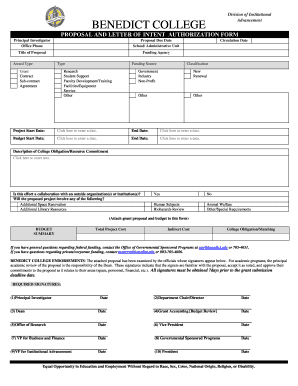
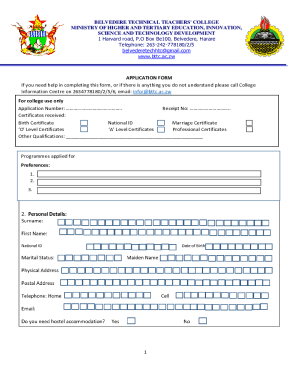
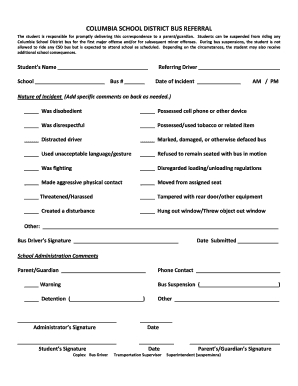
Definition and Purpose of Application Forms - Tax Commission
Application Forms - Tax Commission are essential tools used by individuals and entities to address and contest tax assessments and valuations. Specifically, these forms enable taxpayers to request corrections on property assessments, often facilitating the review of assessed values that they believe to be unequal or excessive. These applications are generally used by property owners or parties aggrieved by current property valuations to formalize their grievances. In New York City, for instance, form TC105 is employed to contest the assessed value of utility and other property, providing structured guidelines on how submissions should be handled.
Obtaining the Application Forms - Tax Commission
To access the Application Forms - Tax Commission, taxpayers can visit the official website of the respective tax commission or obtain them through mail by contacting the commission directly. Many jurisdictions also offer downloadable versions on their official websites, ensuring that these forms are readily accessible to all who need them. Additionally, some locations may provide the option to pick up physical copies from local tax offices. Ensuring you acquire the most current version of the form is critical to comply with any recent updates or changes in tax laws.
Steps to Complete the Application Forms - Tax Commission
-
Gather Required Documents: Before filling out the application, collect all necessary supporting documents, such as existing property tax assessments, identification, and proof of ownership.
-
Fill Out Personal and Property Information: Start by providing your personal information and specific property details, ensuring accuracy to avoid processing delays.
-
Specify Grievance Details: Clearly outline why you believe the current assessment to be incorrect, providing supporting evidence and explanations for each claim.
-
Attach Required Documentation: Include all supporting documents that substantiate your claims alongside the form. This may include appraisals, past valuations, or any relevant financial records.
-
Review for Accuracy: Double-check all entries for completeness and correctness, paying close attention to any arithmetic or factual data.
-
Submit the Form: Depending on local policies, submit the completed form in person, via mail, or through an online portal, ensuring it reaches the tax commission before the specified deadline.
Importance of Application Forms - Tax Commission
The Application Forms - Tax Commission play a significant role in supporting taxpayers who seek a fair valuation of their properties. By providing a formalized process to contest tax assessments, these forms help ensure that property taxes are assessed equitably, reflecting true market values. This can prevent overpayment of taxes and ensure that property owners are only taxed on the actual worth of their holdings. For public entities, these forms maintain a transparent process for handling taxpayer grievances.
Who Typically Uses the Application Forms - Tax Commission
Several categories of individuals and entities typically utilize these forms:
-
Property Owners: Individuals who own residential, commercial, or industrial properties and feel that their assessments are too high.
-
Legal Representatives: Attorneys and consultants working on behalf of property owners to resolve tax disputes.
-
Businesses: Companies contesting the valuations of their commercial properties to manage and reduce tax liabilities.
-
Real Estate Professionals: Real estate agents and appraisers who assist clients in navigating the assessment contestation process.


Key Elements of Application Forms - Tax Commission
Each application form encompasses several critical elements:
-
Applicant Information: Basic details about the property owner or the representative filing the grievance.
-
Property Details: Comprehensive information about the property in question, including location and type.
-
Assessment Dispute Details: Specifics on why the applicant believes the assessment is incorrect, supported by detailed explanations.
-
Supporting Documentation: Required documents that back up the claim, typically including appraisals or financial records.
Filing Deadlines and Important Dates
Each jurisdiction has specific deadlines for submitting Application Forms - Tax Commission. It is imperative to be aware of these dates to avoid missing critical filing windows. Traditionally, deadlines are set annually, coinciding with tax rolls and assessment publications. Missing the deadline often results in losing the opportunity to contest that year’s tax assessments, so timely preparation and submission are crucial.
Submission Methods for Application Forms - Tax Commission
Application Forms - Tax Commission can typically be submitted through various methods:
-
Online Portals: Many tax authorities provide digital submission options that streamline the process and offer immediate confirmation of receipt.
-
Mail: Completed forms and accompanying documents can be mailed directly to the tax commission’s office. It’s recommended to send these via certified mail to ensure delivery tracking.
-
In-Person Submission: Directly submitting forms at the tax commission’s office can offer a faster response time and personal confirmation of submission.
Carefully choosing the submission method that aligns with your needs while ensuring all guidelines are adhered to is vital for the successful processing of these forms.