




01. Edit your form online
Type text, add images, blackout confidential details, add comments, highlights and more.

Type text, add images, blackout confidential details, add comments, highlights and more.

Draw your signature, type it, upload its image, or use your mobile device as a signature pad.

Send it via email, link, or fax. You can also download it, export it or print it out.
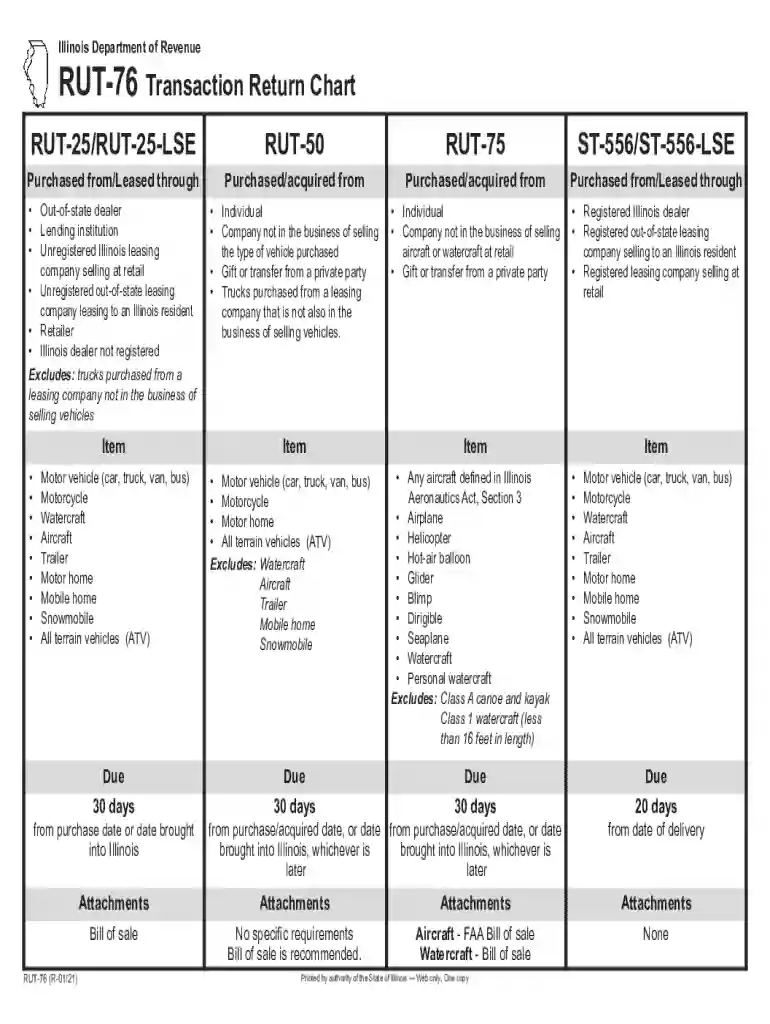
The RUT-76, or Transaction Return Chart, is a form provided by the Illinois Department of Revenue to assist taxpayers in determining the appropriate transaction types and their corresponding tax obligations. It categorizes various assets such as motor vehicles, motorcycles, watercraft, and aircraft, providing detailed information on the purchase and leasing sources related to these items. This chart helps in understanding the specific tax responsibilities associated with different transaction categories, ensuring compliance with state tax laws.
The RUT-76 form delineates several essential components that taxpayers must recognize. This includes:
Accurate completion of the RUT-76 form is crucial. Here are the steps to guide you through the process:
Understanding key terminologies associated with the RUT-76 form is fundamental:
The RUT-76 form has strict deadlines you must be aware of:
The RUT-76 requires the submission of several critical documents:
The RUT-76 form is available in both digital and paper formats. Here's how they differ:
For efficient processing, the RUT-76 form may integrate with popular tax preparation software:
The RUT-76 form adheres to regulations specific to Illinois:
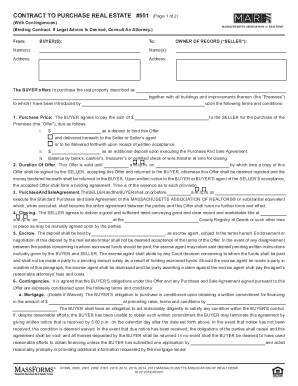
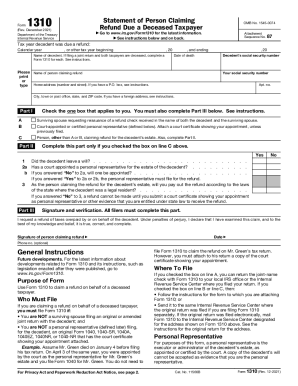
We've got more versions of the RUT-76, Transaction Return Chart Transaction Return Chart form. Select the right RUT-76, Transaction Return Chart Transaction Return Chart version from the list and start editing it straight away!
At DocHub, your data security is our priority. We follow HIPAA, SOC2, GDPR, and other standards, so you can work on your documents with confidence.
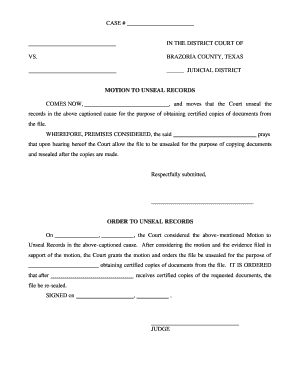


This chart is intended to assist you in filing the proper form based on your original sale, purchase, or lease transaction of the titled or registered itemsRead more
by A Galofr Ferrer 2019 Number of transactions per year, 77% of the total involve less than 500 MM, and the value creation, Abnormal Return by transactions size.


