
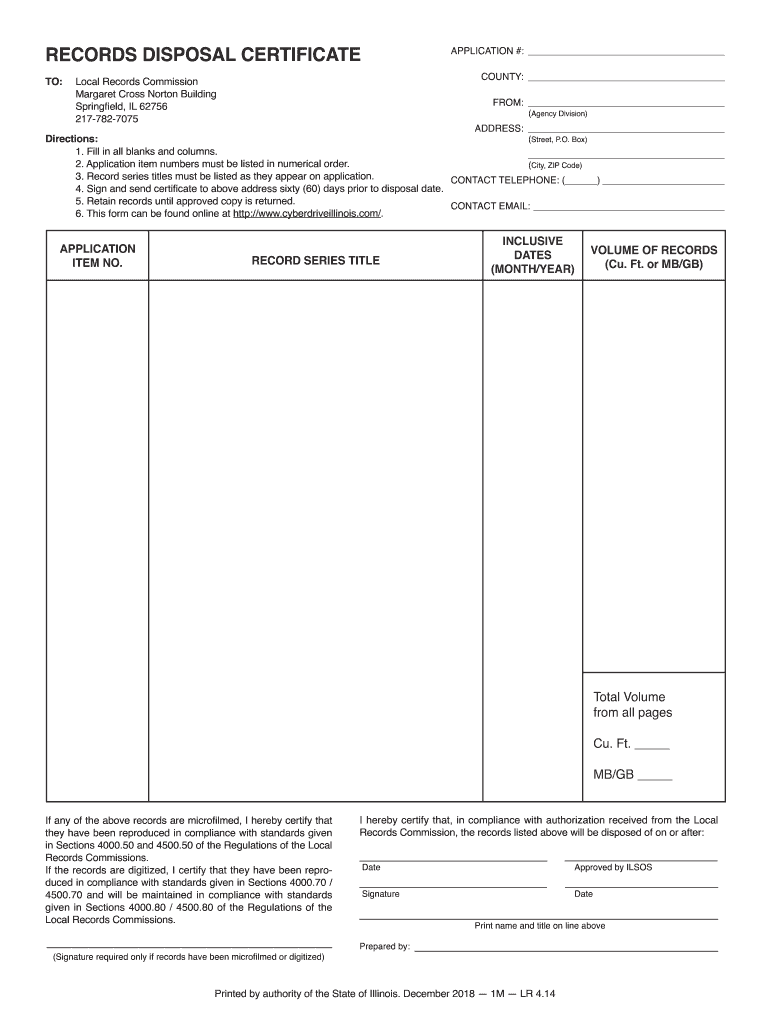







Definition and Meaning of Waste Disposal Certificate Template
A waste disposal certificate template serves as an official document that verifies the proper disposal of waste materials. This certificate is essential for industries and businesses that handle hazardous or non-hazardous waste. It ensures that waste is disposed of in compliance with environmental regulations and provides proof of disposal for record-keeping and regulatory purposes.
The primary components of this certificate include information about the type of waste disposed of, the disposal method employed, the date of disposal, and details of the facility responsible for the disposal. Understanding the definition and importance of a waste disposal certificate is crucial for organizations to maintain compliance with local, state, and federal regulations.
Importance of a Waste Disposal Certificate Template
- Regulatory Compliance: Many jurisdictions require businesses to provide documentation for waste disposal, especially for hazardous materials.
- Environmental Responsibility: The certificate supports sustainable practices by tracking waste from generation to disposal.
- Liability Protection: Proper documentation helps defend against potential legal challenges related to waste handling and disposal.
Steps to Complete the Waste Disposal Certificate Template
Completing a waste disposal certificate template involves a structured approach to ensure all necessary information is accurately documented.
- Select the Appropriate Template: Choose the correct waste disposal certificate template that aligns with your waste type and disposal method.
- Enter Business Information: Fill in your business name, address, and contact details. This identifies the entity responsible for waste management.
- Provide Waste Details: Specify the type of waste disposed of, including any hazardous properties it may have.
- Document Disposal Method: Indicate the disposal method used, such as landfill, incineration, recycling, or treatment.
- Include Disposal Facility Information: Provide details of the authorized facility where the waste was disposed of, including their contact information.
- Sign and Date: Ensure that the certificate is dated and signed by an authorized individual within the organization.
Tips for Accuracy
- Double-check Information: Ensure all entries are correct to avoid non-compliance issues.
- Use Clear Descriptions: Be specific about the waste type and disposal methods to enhance clarity and compliance.
How to Obtain the Waste Disposal Certificate Template
There are several ways to obtain a waste disposal certificate template.
- Online Resources: Many government and environmental agency websites offer downloadable templates that can be customized for specific needs.
- Professional Organizations: Industry associations often provide standardized forms to their members, ensuring compliance with regulations.
- Document Editing Platforms: Services like DocHub allow users to access, modify, and save waste disposal certificate templates online.
- Direct Request from Regulators: Some local governments may have specific forms available upon request.
Considerations When Obtaining Templates
- Compliance Requirements: Verify that the template meets local and state regulations.
- Customizability: Ensure the template can be modified to fit your specific type of waste and disposal methodology.
Important Terms Related to Waste Disposal Certificate Template
Familiarity with key terms related to waste disposal certificates can enhance understanding and ensure proper documentation.
- Hazardous Waste: Any waste material that poses substantial or potential threats to public health and the environment.
- Disposal Facility: A licensed site responsible for the treatment, storage, or disposal of waste.
- Recycling Certificate: A specific type of certificate that verifies materials have been processed for reuse.
- Compliance: Adherence to environmental laws and regulations concerning waste management.
Purpose of Understanding Terminology
- Enhanced Clarity: Knowing terminology ensures accurate completion of forms.
- Improved Communication: Facilitates discussions with regulatory bodies and waste management professionals.
Examples of Using the Waste Disposal Certificate Template
This section highlights real-world scenarios where a waste disposal certificate template is utilized effectively.
- Construction Companies: When disposing of construction debris, these companies use the certificate to confirm proper disposal and compliance with local regulations.
- Medical Facilities: Hospitals generate hazardous waste and must issue certificates to verify that these materials are disposed of at licensed facilities, ensuring patient safety and environmental responsibility.
- Manufacturing Plants: Factories producing waste materials must regularly document disposal practices to satisfy regulatory requirements and avoid penalties.
Illustrative Example Scenario
A manufacturing plant produces chemical waste that requires special handling. Upon disposal at a licensed treatment facility, the plant manager completes the waste disposal certificate template, documenting the waste type, disposal method, and facility details. This certificate is kept on file as proof of compliance with environmental regulations.
Legal Use of the Waste Disposal Certificate Template
Understanding the legal use of a waste disposal certificate template is critical for organizations.
- Liability Defense: Having a completed certificate protects businesses from legal repercussions associated with improper waste disposal.
- Regulatory Inspection: Regulatory bodies may request documentation during inspections to ensure compliance with waste management laws.
- Audits and Reporting: Organizations may need to present certificates during internal or external audits to demonstrate adherence to environmental standards.
Best Practices for Legal Compliance
- Retention Period: Keep completed certificates for a specified duration as mandated by state regulations.
- Regular Updates: Regularly update forms to reflect any changes in regulations or waste management practices.




