01. Edit your form online
Type text, add images, blackout confidential details, add comments, highlights and more.

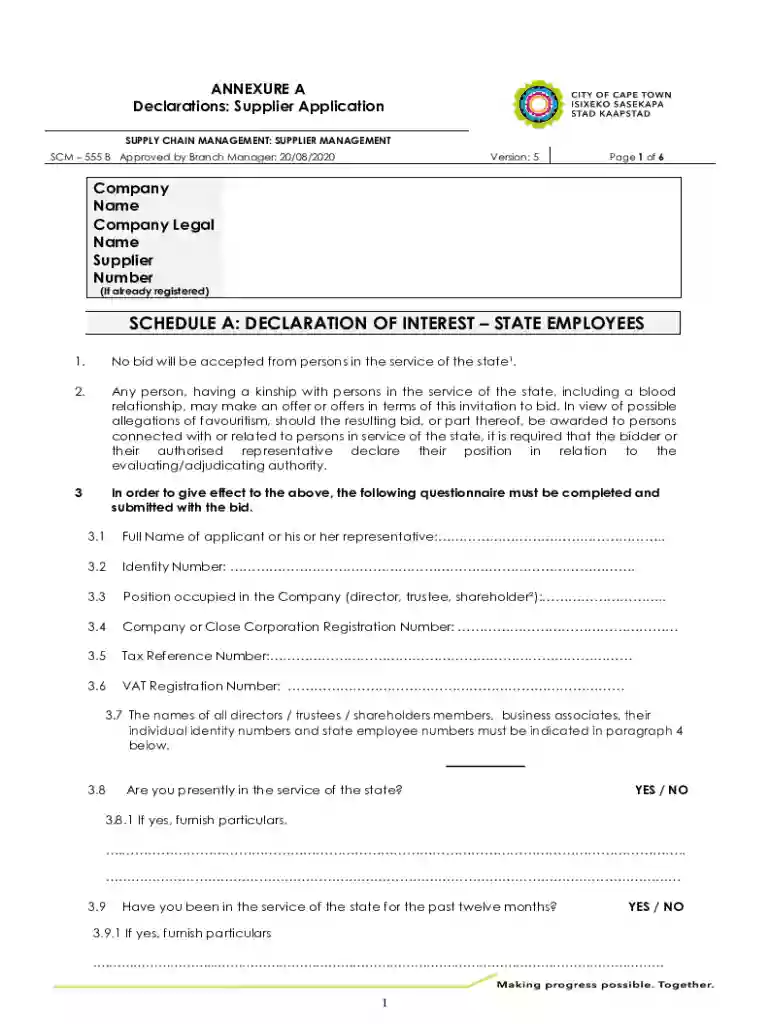
Type text, add images, blackout confidential details, add comments, highlights and more.

Draw your signature, type it, upload its image, or use your mobile device as a signature pad.

Send it via email, link, or fax. You can also download it, export it or print it out.
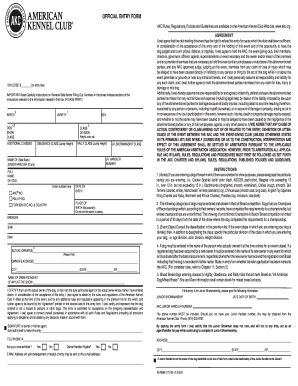
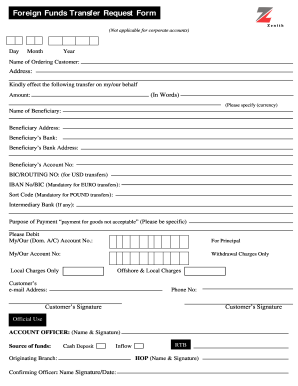
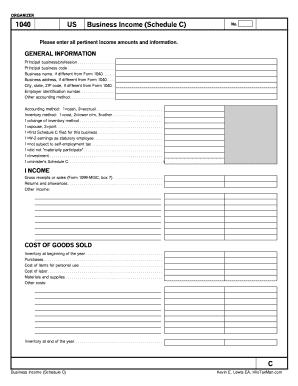
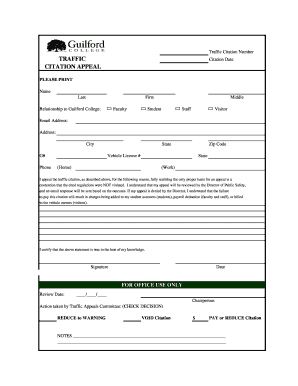
Forms, notices, tariffs, and lists often serve as regulatory and informational tools necessary for businesses and individuals. These documents can detail requirements, guidelines, and standards that must be adhered to in specific contexts, such as taxation, supply chain management, or legal compliance. Forms can collect essential information, notices can relay important official communications, tariffs can outline applicable fees or charges, and lists may detail applicable rules or entities covered by a particular regulation. Understanding each type's distinct role enhances your ability to adhere to legal and business obligations.
Using these documents effectively requires comprehension of their specific purposes and the information they convey:
Forms: Typically require completion with accurate, up-to-date information. This might involve filling out personal or business data, financial figures, or declarations of compliance.
Notices: Often demand acknowledgment or action, such as updating a record or responding to a regulatory inquiry.
Tariffs: Understanding tariffs entails reviewing applicable charges for services or goods, often within international trade environments.
Lists: Use these to verify entities, regulations, or items subject to specific inquiries or inspections. Lists ensure all necessary components are checked in processes like compliance or auditing.
Read Instructions Carefully: Understanding the requirements and instructions is vital to ensure accuracy.
Gather Necessary Information: Compile all pertinent data, documents, and references beforehand.
Fill Out the Form: Ensure all sections are correctly filled with the required information.
Review and Verify: Double-check the entries for completeness and accuracy.
Submit: If applicable, decide on the submission method—online, mail, or in-person—and complete the action.
These documents can be utilized by a diverse group of individuals and organizations:
Businesses: For regulatory compliance, quality assurance, and standard operating procedures.
Government Agencies: To relay essential information, guidelines, and mandatory regulations.
Individuals: For personal matters like taxation, legal applications, or official communications.
Ensuring legal alignment involves understanding the regulatory framework and ensuring compliance. Legal use mandates:
Confidentiality: Sensitive information in these documents should be securely handled.
Accuracy: Misrepresentation or falsification can lead to legal consequences.
Timeliness: Adhering to due dates and deadlines is critical to avoid penalties.
DocHub provides robust solutions for handling these documents:
Supports Various Formats: Like PDF, DOC, and XLS, facilitating seamless editing and modification.
Integration Capabilities: With platforms like Google Workspace, enabling easy import and export.
Digital Signing: Legally binding electronic signatures can be applied to forms within DocHub, streamlining processes.
Understanding the elements of these documents can enhance effective usage:
Form Fields: Include text boxes, checkboxes, and signature fields for interactive data collection.
Instructions and Guidelines: Help guide users through completion with clarity and precision.
Sections for Annotations: Allow highlighting, commenting, and noting crucial information.
Regulations might differ depending on state laws and requirements:
State-Specific Forms: Some forms are uniquely applicable based on local laws.
Local Tariffs: States may impose unique tariffs subject to local economic policies.
Regulatory Lists: Vary by state in terms of entities or standards covered.
Certain businesses might find these documents particularly beneficial:
Import/Export Firms: Need accurate tariff documents for proper financial management.
Corporate Entities: Including LLCs and corporations for compliance with regulatory standards.
Supply Chain Businesses: Require detailed lists and forms for audit and certification processes.
In utilizing these documents effectively, businesses and individuals can ensure adherence to legal requirements, facilitate efficient processes, and maintain transparency and compliance within their operations.
We've got more versions of the Forms, notices, tariffs and lists form. Select the right Forms, notices, tariffs and lists version from the list and start editing it straight away!
At DocHub, your data security is our priority. We follow HIPAA, SOC2, GDPR, and other standards, so you can work on your documents with confidence.