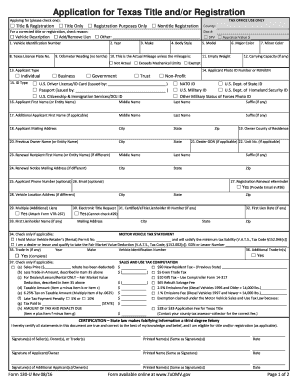
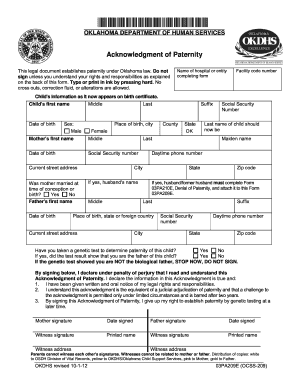
Scanned Document 2026

Get Form
Scanned Document Preview on Page 1

Here's how it works

01. Edit your form online
Type text, add images, blackout confidential details, add comments, highlights and more.

02. Sign it in a few clicks
Draw your signature, type it, upload its image, or use your mobile device as a signature pad.

03. Share your form with others
Send it via email, link, or fax. You can also download it, export it or print it out.

Definition and Meaning of Scanned Documents

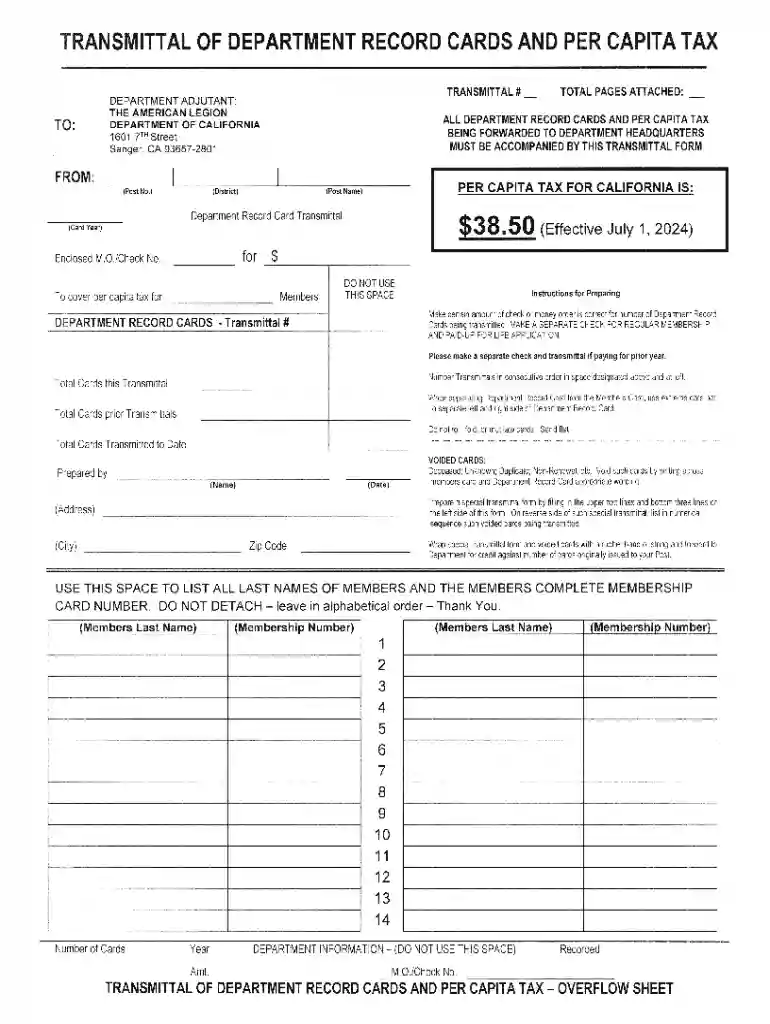
Scanned documents are digital representations of physical paperwork, created by capturing the entire content of a document using a scanning device. The resulting electronic images preserve the visual characteristics of the original document, including text, graphics, and layout, ensuring fidelity and accuracy in the digital version. Scanned documents are commonly used for archiving, sharing, and processing information electronically without the need for the original paper format. They provide a bridge between analog and digital data, enhancing accessibility and storage efficiency.

How to Use Scanned Documents

Scanned documents offer versatility in their application and can be utilized across various domains:

  • Archiving: Digitally preserve important records and historical documents for long-term storage.
  • Collaboration: Share scanned documents with team members or stakeholders for collaborative review and annotation.
  • Editing: Import scanned documents into document management software like DocHub for text extraction, modification, and annotation.
  • Security: Apply encryption and password protection to scanned documents for secure sharing and compliance with privacy regulations.

When imported into platforms such as DocHub, these documents can undergo further processing, such as editing, signing, and form-filling, streamlining workflows in both personal and professional settings.

How to Obtain Scanned Documents

Creating a scanned document requires a scanning device, such as a flatbed scanner, an all-in-one printer with scanning capabilities, or a mobile app with document scanning functions. Here is a step-by-step guide:

  1. Place the Document: Position the physical document on the scanner glass or capture using a mobile camera app.
  2. Select Scanning Settings: Choose settings for resolution, color, and file format (e.g., PDF, JPEG).
  3. Scan the Document: Initiate the scanning process, and ensure the entire document is captured accurately.
  4. Save the File: Save the scanned image to your desired storage location, such as your computer, a USB drive, or cloud storage.

Scanned documents can also be obtained through professional scanning services, especially for bulk or high-fidelity requirements.

Steps to Complete a Scanned Document

Upon receiving or creating a scanned document, several steps can enhance its utility and accessibility:

  1. Open in a PDF Editor: Import the scanned file into a tool, such as DocHub or Adobe Acrobat, for editing.
  2. Enhance Quality: Use software features to adjust brightness, contrast, and sharpness if necessary.
  3. Add Annotations: Highlight, comment, or annotate specific sections to provide context or instructions.
  4. Digitize Text: Employ Optical Character Recognition (OCR) to convert scanned text into editable and searchable content.
  5. Save and Share: Save the final version and share it via email, cloud, or directly within the document management system.

Following these steps ensures that scanned documents remain functional and ready for any subsequent digital processes.

Reasons to Scan Documents

Scanning documents transforms physical data into a digital format, offering multiple benefits:

  • Space Savings: Reduces physical storage needs by converting paper files into compact electronic formats.
  • Accessibility: Enhances accessibility, allowing documents to be retrieved and shared from any location and device.
  • Security: Provides options for encryption, password protection, and secure sharing, safeguarding sensitive information.
  • Efficiency: Facilitates quick data retrieval, editing, and sharing, streamlining workflow processes.

These intrinsic benefits support both personal convenience and organizational efficiency, making scanned documents an integral part of modern record management.

Typical Users of Scanned Documents

A wide array of users and sectors leverage scanned documents for various purposes:

  • Corporate Entities: For document management, client interaction, and compliance documentation.
  • Legal Professionals: To store and manage contracts, case files, and evidence records.
  • Educational Institutions: For archiving student records, educational materials, and research papers.
  • Healthcare Facilities: To digitize patient records, lab results, and billing information.

Additionally, individuals frequently scan personal documents, such as identification papers and important correspondence, for safekeeping and easy access.

Key Elements of a Scanned Document

Scanned documents maintain several critical elements to ensure they accurately represent the original:

  • Resolution: High-resolution scanning guarantees clear and legible text, essential for readability and further processing.
  • Color and Grayscale: Options for scanning in color or grayscale to preserve the visual integrity of images and graphics.
  • File Format: The choice of file format, commonly PDF or TIFF, balances between image quality and file size.

Proper configuration of these elements ensures optimal scanning that serves both visual fidelity and practical application needs.

Digital vs. Paper Versions of Documents

The digital transformation of documents through scanning presents distinct advantages and differences compared to paper versions:

  • Convenience: Digital files are easier to store, search, and share compared to physical documents.
  • Longevity: Reduced risk of physical deterioration or loss in digital form.
  • Environmental Impact: Lower paper usage aligns with sustainability initiatives.
  • Adaptability: Digital documents can be easily updated, enhanced, or integrated with other digital workflows.

While paper documents retain certain legal and physical authenticity attributes, the digital versions provide unmatched efficiency and versatility for modern applications.

be ready to get more

Complete this form in 5 minutes or less

Get form

Got questions?

We have answers to the most popular questions from our customers. If you can't find an answer to your question, please contact us.
Contact us
Locate and tap on the file manager app (the name and icon might vary, e.g., Files, My Files, File Manager). Once inside the file manager, you can navigate to the Downloads, Scans, Images, or Documents folder to look for scanned documents​ depending on where you expect the document to be.
PDFs are usually created from a source document such as a Microsoft Word, Adobe InDesign, or Microsoft PowerPoint, and then are exported to a PDF format. Alternatively, many PDF files are simply images of text that were created by scanning hard copy documents.
Scan refers to the process of capturing data or information using a device, such as a scanner. It converts physical documents into digital files that can be stored, edited, and shared electronically.
Scan a document Open the Google Drive app . At the bottom right, tap Camera . Point your devices camera at a document. Take a photo of the document that youd like to scan. Adjust your scanned document. Tap Done. Create your own file name or select a suggested title.
When a document is scanned, it is copied to a digital format. Then, it is stored on a computer folder or database. Its much like taking a picture with a camera or smartphone.

Security and compliance

At DocHub, your data security is our priority. We follow HIPAA, SOC2, GDPR, and other standards, so you can work on your documents with confidence.
Learn more
ccpa2
pci-dss
gdpr-compliance
hipaa
soc-compliance
be ready to get more

Complete this form in 5 minutes or less

Get form

People also ask

Usually, when you connect a scanner or printer to your computer, Windows PC saves the documents in either the My Documents or My Scans folder by default. But for a Windows 10 user, you may recover deleted files in the Pictures folder, especially if you choose saved them as images, such as . jpg, .
To save the scanned document in a specific format, select either . pdf or . jpg. Optional: To select the Drive folder where youll save the document, tap Location.

Related links