







Definition & Meaning
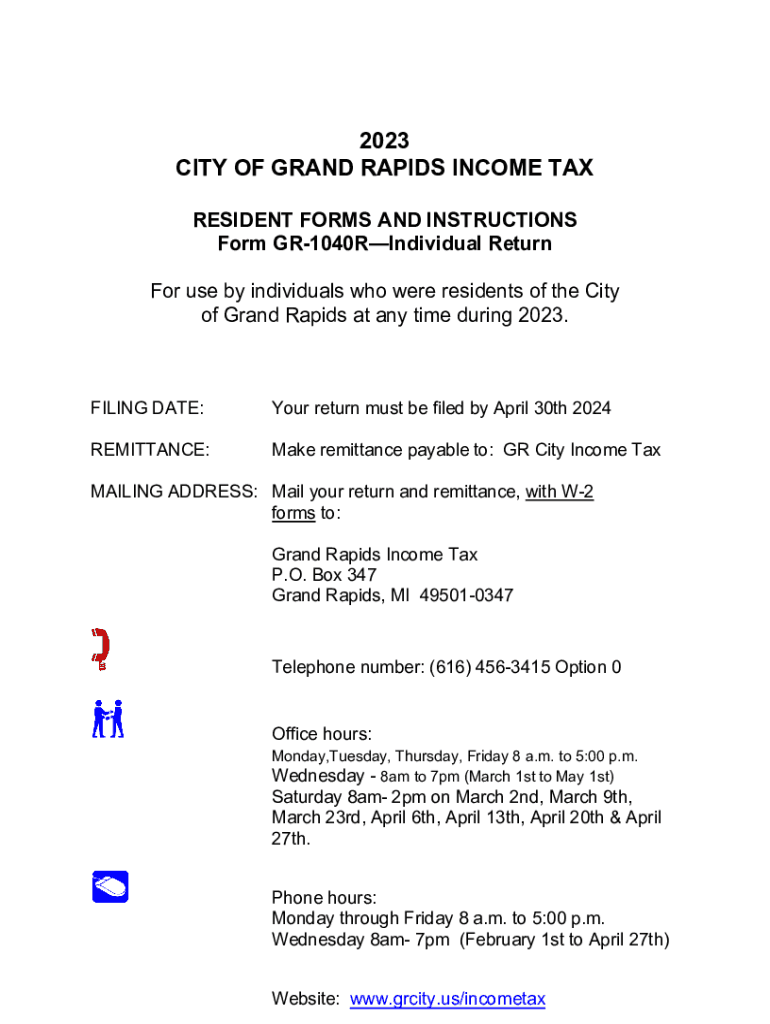
The "For use by individuals who were residents of the City" form is intended for individuals residing within a specific city who need to report or document particular information. This form is primarily used to capture data related to local governance, such as municipal taxes, residency confirmations, or local services eligibility. Its purpose varies depending on the context, but it is crucial for maintaining accurate records and adherence to city-specific regulations.
How to Use the Form
When using the "For use by individuals who were residents of the City" form, individuals should first carefully review the instructions to understand what information needs to be provided. The form typically requires personal details such as name, address, and the period of residency. It may also request specific financial information if related to city taxes or benefits. To complete the form:
- Carefully populate all required fields with accurate information.
- Attach any necessary documents that support your entries, such as proof of residency or income statements.
- Review the completed form for accuracy before submitting it to the proper municipal authority or agency.
Steps to Complete the Form
Completing the form involves several steps to ensure accuracy and completeness. Follow these instructions:
- Gather Required Documents:
- Collect documents like utility bills, lease agreements, or tax forms.
- Fill Out the Form:
- Use black ink or type electronically if the form is digital.
- Follow instructions for each section, ensuring all mandatory fields are completed.
- Review and Validate Information:
- Verify that information matches supporting documents.
- Sign the Form:
- Ensure the signature section is filled as per the instructions.
Examples of Required Documents
- Lease agreements for proof of residency.
- Recent utility bills showing your name and address.
- Previous year tax returns if financial details are required.
Eligibility Criteria
To utilize this form, individuals must have been residents of the city during the applicable reporting period. Specific criteria could include:
- Physical presence within city limits for a defined minimum period.
- Proof of residency through official documents.
- Current local tax obligations or participation in city programs.
Being aware of these criteria ensures that the correct individuals use the form, which aids in accurate data collection and compliance with city regulations.


Important Terms Related to the Form
Residency
Residency for the purposes of this form typically refers to individuals who spend the majority of the year living in the city. Residency can affect tax obligations and eligibility for local services.
Proof of Filing
This term refers to documentation or acknowledgment from the city confirming receipt and acceptance of the form, which could be a digital acknowledgment if submitted online or a stamped copy if submitted by mail.
Legal Use of the Form
The form's legal use is primarily to ensure that residents comply with municipal requirements. Residents might need to use this form for:
- Declaring residency for local tax purposes.
- Applying for local services or benefits.
- Participating in municipal programs.
Residents must complete this form truthfully to avoid potential legal consequences such as fines or service denials.
Filing Deadlines and Important Dates
Filing deadlines for the form typically align with city tax timelines or specific program application windows. Residents should confirm:
- Standard filing deadlines, usually aligned with state tax deadlines.
- Any special extensions or adjustments due to local policy changes.
- Notification of any late filing penalties.
By adhering to these deadlines, residents can avoid unnecessary penalties and ensure eligibility for city programs.
Required Documents
To complement the form, several supporting documents may be required to verify information provided:
- Proof of income, which can include W-2 or pay stubs.
- Documentation of residency, such as utility bills or rental agreements.
- Tax identification documents or previous tax filings where applicable.
Including these documents is essential for validation processes carried out by city officials.
Form Submission Methods
Residents can choose from several submission methods:
Online Submission
- Using the city's official website if electronic submissions are accepted.
- Ensuring that all digital attachments are in acceptable formats.
Mailing
- Sending to a specified address by standard or certified mail, with a return receipt to confirm delivery.
In-Person
- Visiting a designated municipal office, allowing for a face-to-face submission process and immediate feedback.
Different methods cater to individual preferences and technological access levels, ensuring flexibility.
Penalties for Non-Compliance
Failure to submit the form or providing inaccurate information could lead to various penalties, including:
- Monetary fines imposed by the city.
- Denial of certain benefits or services until compliance is achieved.
- Legal action in severe cases involving fraudulent information.
Understanding these penalties reinforces the importance of timely and accurate completion and submission.
State-Specific Rules
Since forms like these may differ by city and state, residents must be aware of:
- Unique city mandates affecting the format or requirements of the form.
- Variations in required documentation based on state legislation.
- Distinct local penalties or compliance incentives.
Each state and city may have additional considerations affecting how the form is used and processed.




