




01. Edit your form online
Type text, add images, blackout confidential details, add comments, highlights and more.

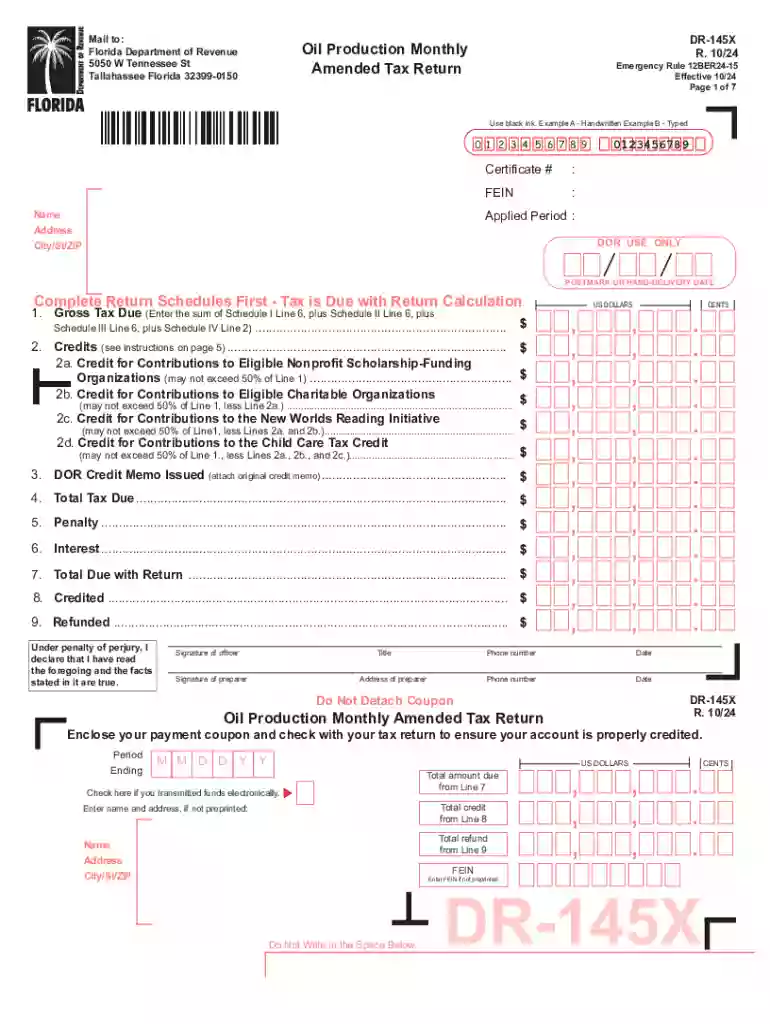
Type text, add images, blackout confidential details, add comments, highlights and more.

Draw your signature, type it, upload its image, or use your mobile device as a signature pad.

Send it via email, link, or fax. You can also download it, export it or print it out.
The I Amended Returns is a formal process used to correct submitted tax returns. It addresses discrepancies or errors found on original tax filings, allowing taxpayers to rectify mistakes, claim overlooked deductions, or report additional income. Primarily utilized within the United States, this process ensures that tax liability is accurate and aligns with current tax laws and guidelines.
For instance, if John, a freelance photographer, discovers an unclaimed tax credit after filing his return, he would use the I Amended Returns to amend his submission and possibly receive a refund.
The IRS provides specific instructions and forms for filing an amended tax return, primarily using Form 1040-X for individual taxpayers. It's crucial to follow these guidelines to ensure the amended return is processed correctly.
Completing the I Amended Returns involves a series of methodical steps to ensure accuracy and compliance with tax regulations.
Suppose Sarah, a small business owner, realizes she failed to report an income on last year’s return. Following these steps, she would correct this by filing Form 1040-X, adjusting her gross income accordingly, and avoiding potential penalties.
Accuracy and completeness are pivotal when assembling documents for amending returns.
Failing to amend returns in compliance with IRS regulations can lead to significant penalties.
Adhering to deadlines is critical for a smooth amendment process.
Delaying amendments beyond these limits results in missed correction opportunities and potential overpayment without refund eligibility.
Not every change requires an amendment; specific scenarios qualify for filing amended returns.
Amendments are unnecessary for simple mathematical errors, as the IRS typically corrects these automatically.
Understanding the differences between digital and paper submissions can influence the approach to filing.
Until digital options are available, taxpayers must navigate the traditional mailing process with proof of delivery for security and tracking purposes.
We've got more versions of the I Amended Returns form. Select the right I Amended Returns version from the list and start editing it straight away!
At DocHub, your data security is our priority. We follow HIPAA, SOC2, GDPR, and other standards, so you can work on your documents with confidence.





An amended Iowa. Generally, you must file an amended return within three years from the original due date of the tax return in order to receive a refund.
An amended tax return is a form filed by an individual or entity to correct errors that were made in a filed tax return. Examples of mistakes that may need toRead more


