




01. Edit your sc estimated tax form 2024 online
Type text, add images, blackout confidential details, add comments, highlights and more.

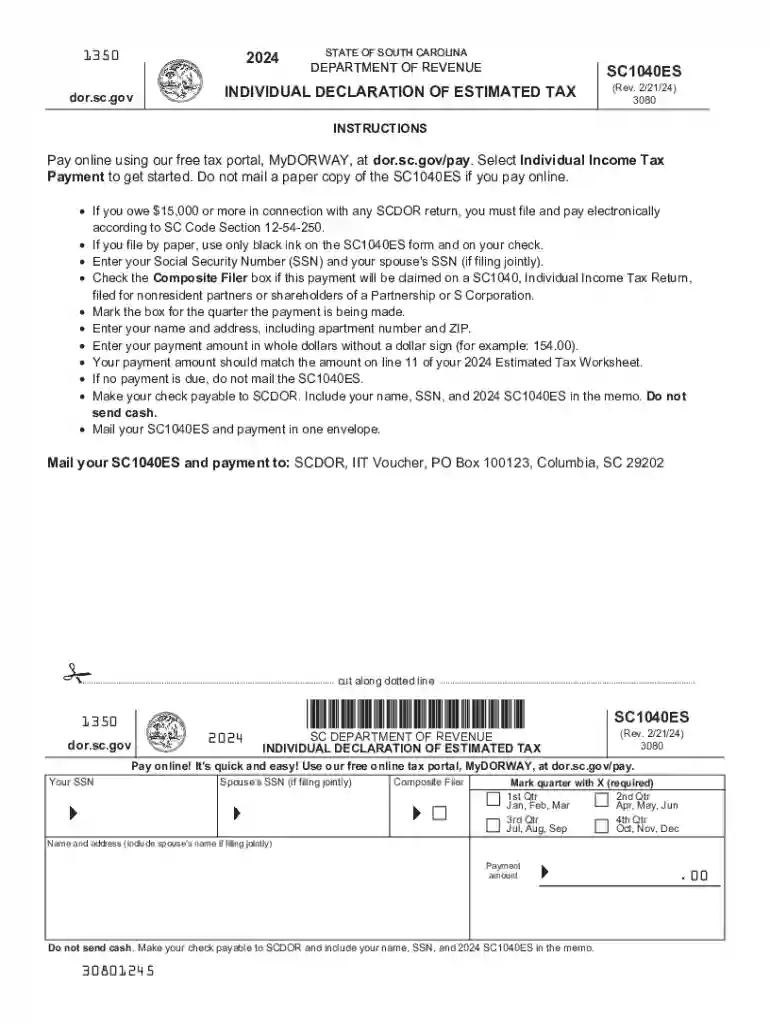
Type text, add images, blackout confidential details, add comments, highlights and more.

Draw your signature, type it, upload its image, or use your mobile device as a signature pad.

Send it via email, link, or fax. You can also download it, export it or print it out.
The "File and Pay - Business - SC Department of Revenue - SC" refers to the process through which businesses in South Carolina report and remit taxes to the state's Department of Revenue. This filing ensures compliance with state tax laws and regulations. Businesses, whether large corporations or small sole proprietorships, must accurately complete this process annually or quarterly, depending on their specific tax obligations. Understanding the purpose and functionality of this form is crucial for maintaining good standing with the state's tax authority.
Completing the "File and Pay - Business - SC Department of Revenue - SC" involves several crucial steps. Businesses must gather necessary financial documents and prepare them for submission.
Meeting filing deadlines is critical to avoid late fees and subsequent penalties.
The South Carolina Department of Revenue (SCDOR) issues the "File and Pay - Business - SC Department of Revenue - SC." The department oversees the collection of state taxes and ensures compliance with tax laws.
Businesses need to prepare a set of essential documents to complete the filing accurately.
Ensuring complete and accurate documentation helps in straightforward tax calculation and compliance.
South Carolina has unique tax laws that may differ from federal or other state regulations.
Understanding compatible software options is crucial for businesses utilizing digital solutions for tax filing.
Different business structures may derive varied benefits from using this particular form.
Legally completing and submitting the "File and Pay - Business - SC Department of Revenue - SC" involves adhering to state and federal regulations.
Ensuring that all submitted data is accurate and truthful mitigates legal risks.
Failure to accurately file or pay taxes using this form can result in significant penalties.
We've got more versions of the sc estimated tax form 2024 form. Select the right sc estimated tax form 2024 version from the list and start editing it straight away!
| Versions | Form popularity | Fillable & printable |
|---|---|---|
| 2025 | 4.1 Satisfied (47 Votes) | |
| 2024 | 4.1 Satisfied (21 Votes) | |
| 2023 | 4.9 Satisfied (28 Votes) | |
| 2022 | 4.8 Satisfied (86 Votes) | |
| 2021 | 4.3 Satisfied (160 Votes) | |
| 2020 | 4.4 Satisfied (199 Votes) | |
| 2019 | 4.2 Satisfied (48 Votes) | |
| 2018 | 4.2 Satisfied (26 Votes) | |
| 2017 | 4.3 Satisfied (121 Votes) | |
| 2016 | 4.4 Satisfied (416 Votes) | |
| 2015 | 4 Satisfied (53 Votes) | |
| 2013 | 4 Satisfied (20 Votes) | |
| 2012 | 4.3 Satisfied (71 Votes) |
At DocHub, your data security is our priority. We follow HIPAA, SOC2, GDPR, and other standards, so you can work on your documents with confidence.

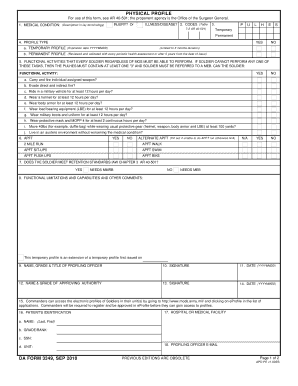
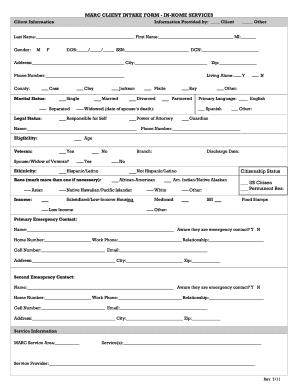

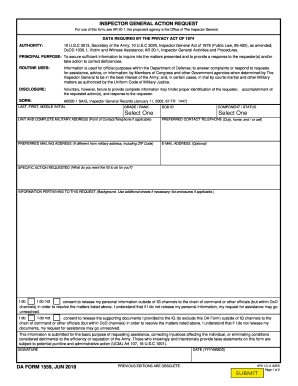

Santee Cooper, also known as the South Carolina Public Service Authority, Headquarters 1 Riverwood Dr. Moncks Corner, SC 29461. Revenue $1.49 billion. South
File business tax returns ✔ Make and schedule payments. Phone: 1-844-89 8-8542 2025 file and pay electronically on MyDORWAY.
MyDORWAY is our taxpayer portal offering one convenient place to register your business, file tax returns, make payments, calculate penalties and interest,


